A small room rarely fails because it lacks decorative objects. It feels difficult when the furniture interrupts movement, the light is flat, and every surface tries to attract attention. Good small room styling starts by protecting useful space, then adding color, texture, and character in a controlled order.
The aim is not to make the room look empty. The aim is to make each choice easy to see and easy to live with. A clear plan can make a compact room feel calm, personal, and comfortable without hiding the fact that it is small.
Start With the Room’s Daily Job
Decide what must happen in the room before choosing accessories. A bedroom may need sleep, dressing, and a short work session, while a living room may need conversation, television, and toy storage. Give the most frequent activity the best position and let occasional activities use flexible pieces.
Mark the natural path from the door to the main seat, bed, window, or closet. Keep that route visually simple and physically open. Reddit discussions about cramped rooms often return to the same frustration: a room feels smaller when a person must turn sideways, move a chair, or step around storage to complete an ordinary task.
Choose Compact Furniture by Footprint
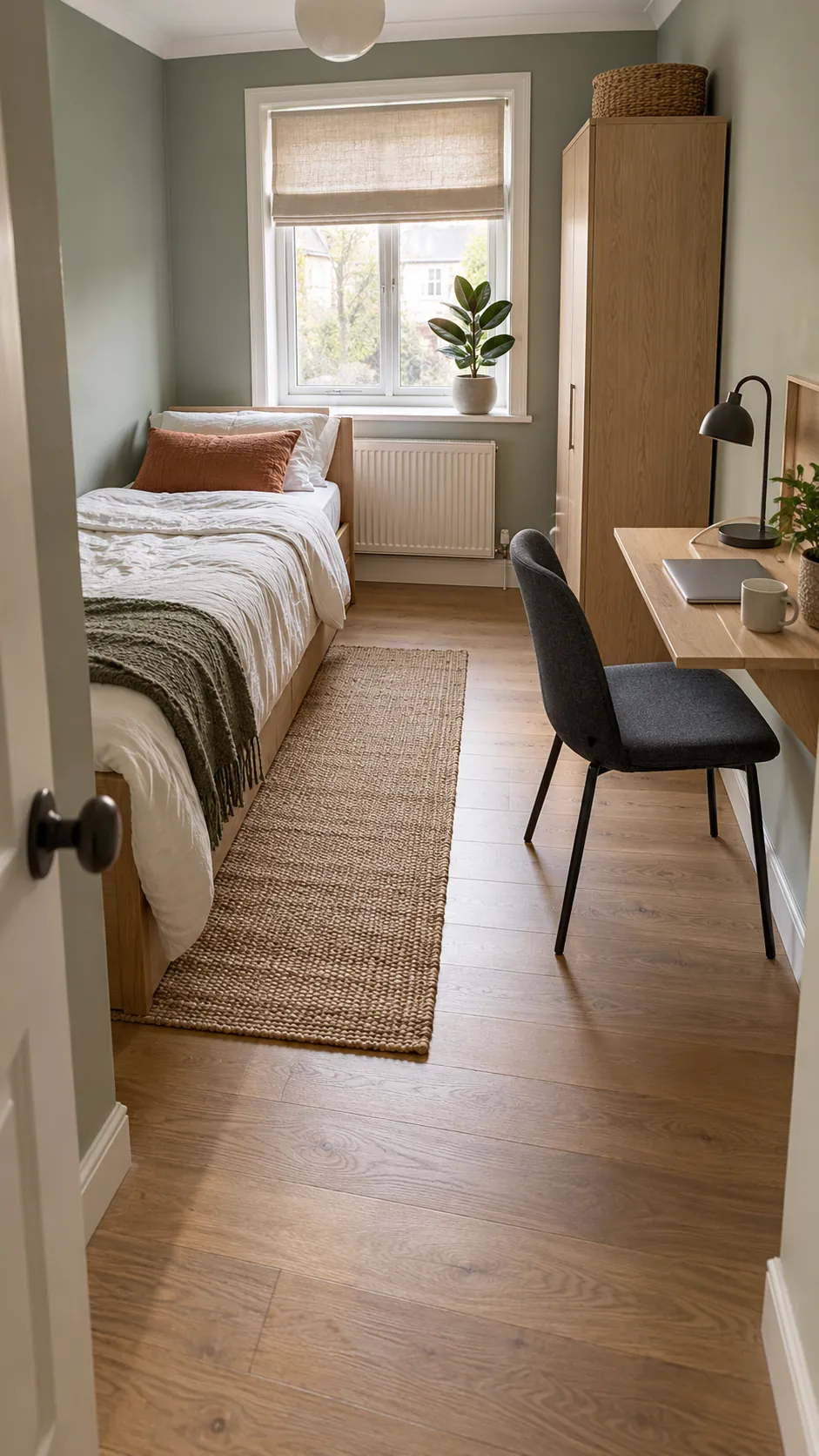
Compact furniture ideas work only when the measurements suit the room. Measure the width, depth, and open door clearance of each piece, then tape its footprint on the floor. This simple test reveals whether a slim desk is truly slim enough and whether a storage bench blocks a drawer or walkway.
Look for visible floor beneath raised legs, rounded corners near busy paths, and storage that opens without moving another object. One useful table can replace several small stands when it reaches the seats that need it. Avoid filling every wall with narrow furniture, since many undersized pieces can create more visual noise than one correctly scaled piece.
Build a Focused Small Space Color Palette
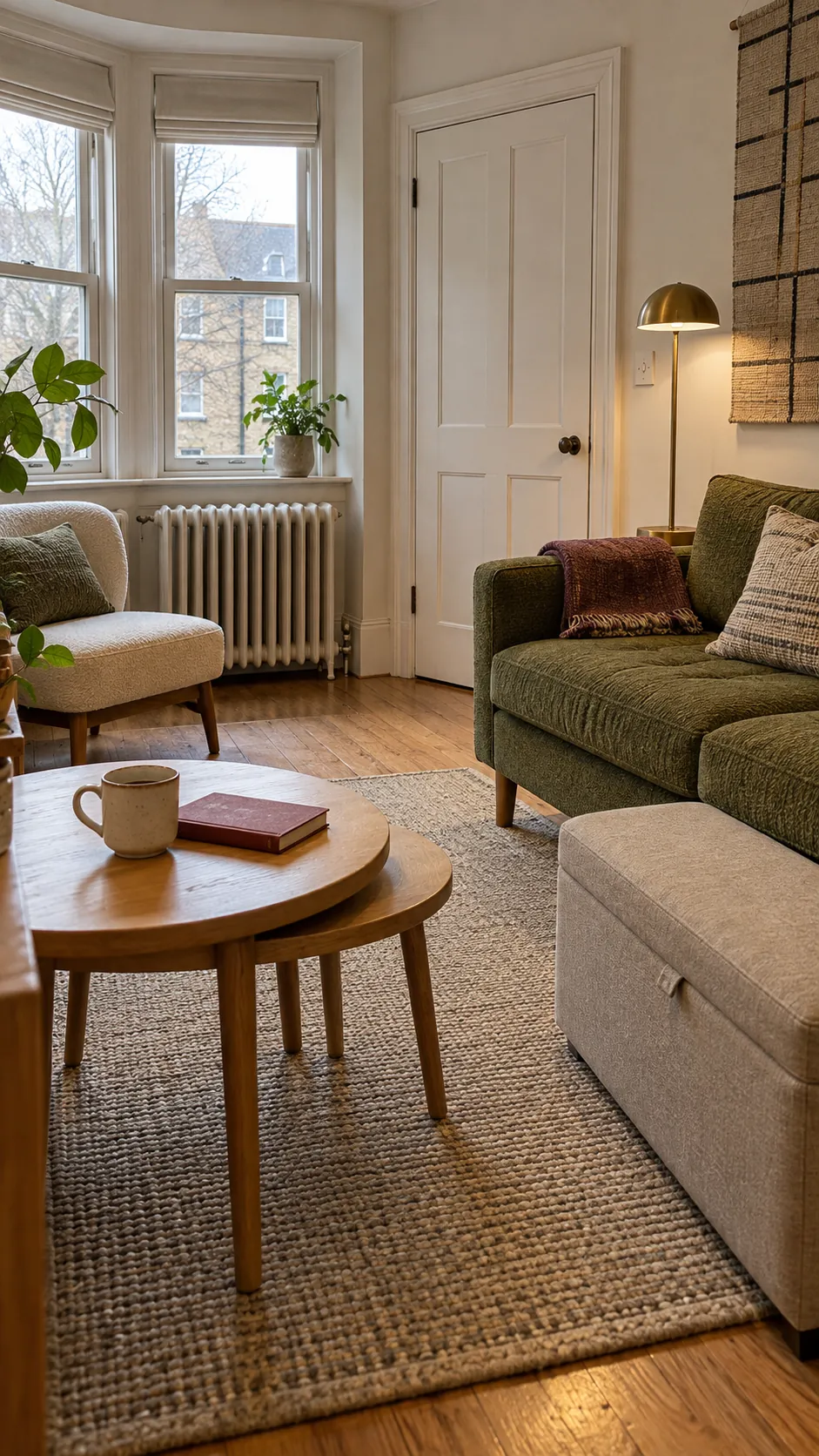
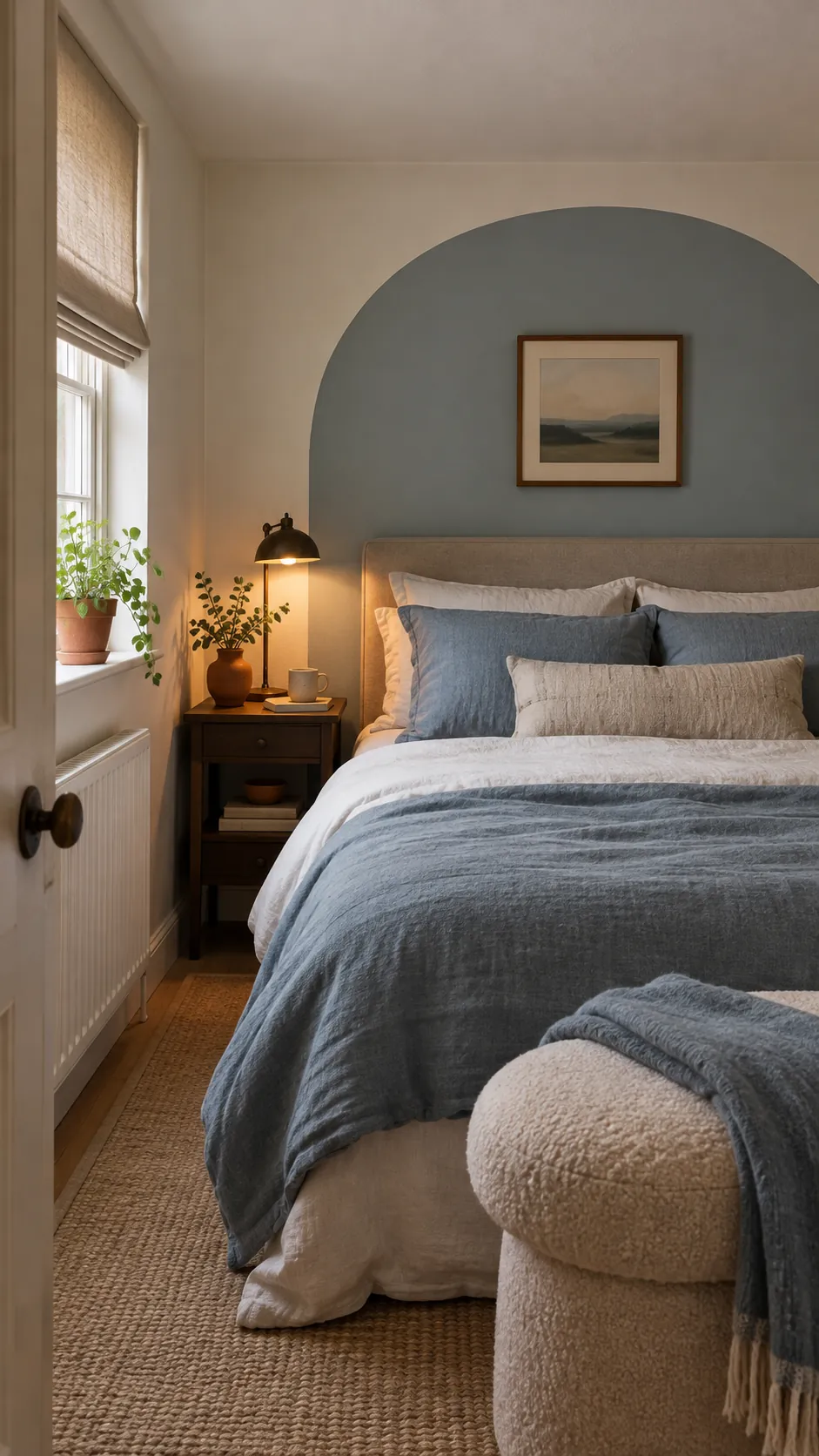
A pale room is not the only way to create breathing room. Begin with one dominant wall color, one supporting neutral, and one richer accent. Repeating that accent in two or three separated places helps the eye connect the room instead of stopping at unrelated objects.
Warm white, soft blue, muted sage, and light clay can all support a cozy small space. The important choice is controlled contrast. Keep large surfaces related, then use darker color on a lamp, cushion, frame, or chair to give the arrangement depth. If everything is equally pale, the room can look washed out rather than spacious.
Layer Light at Different Heights
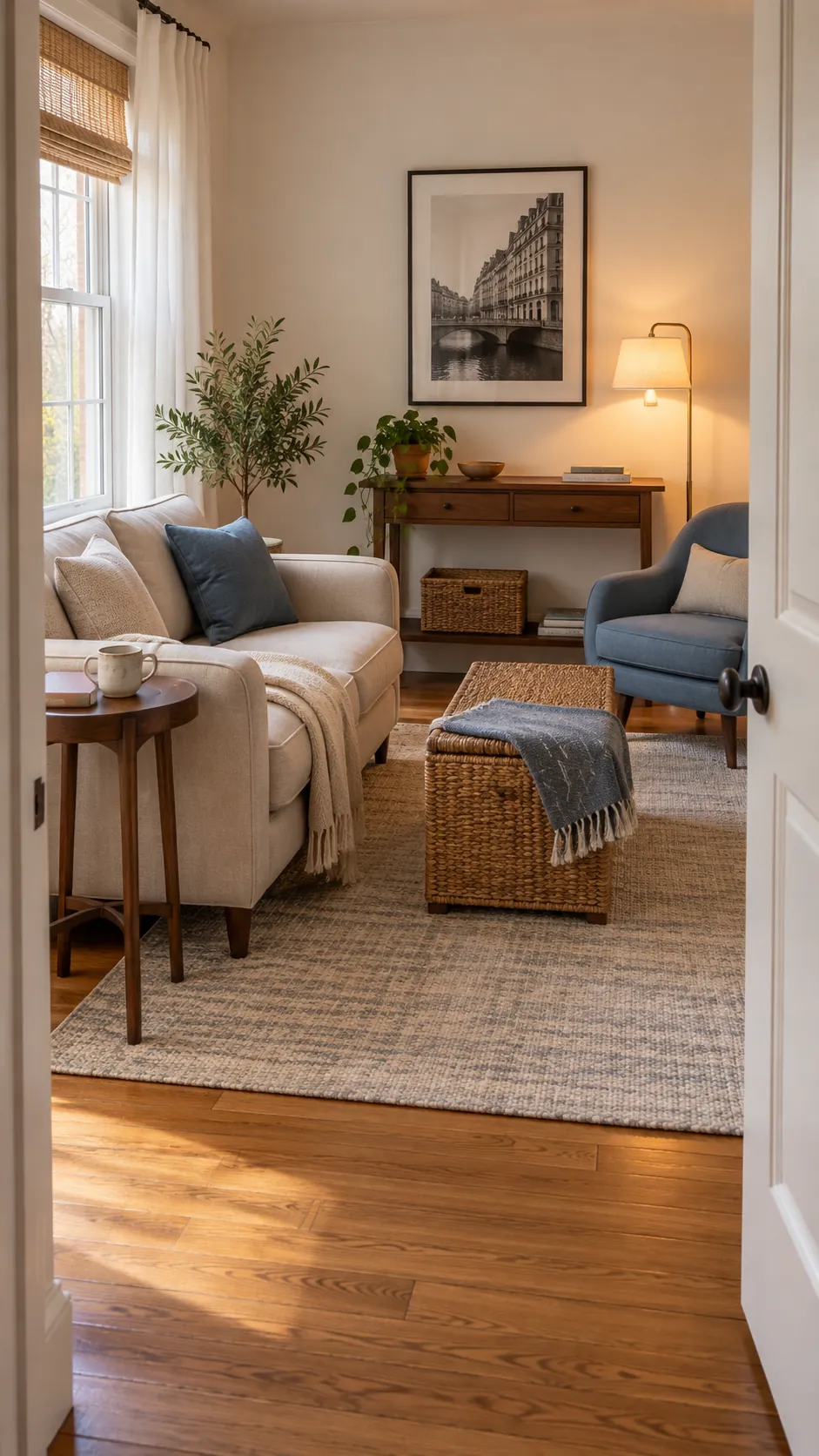
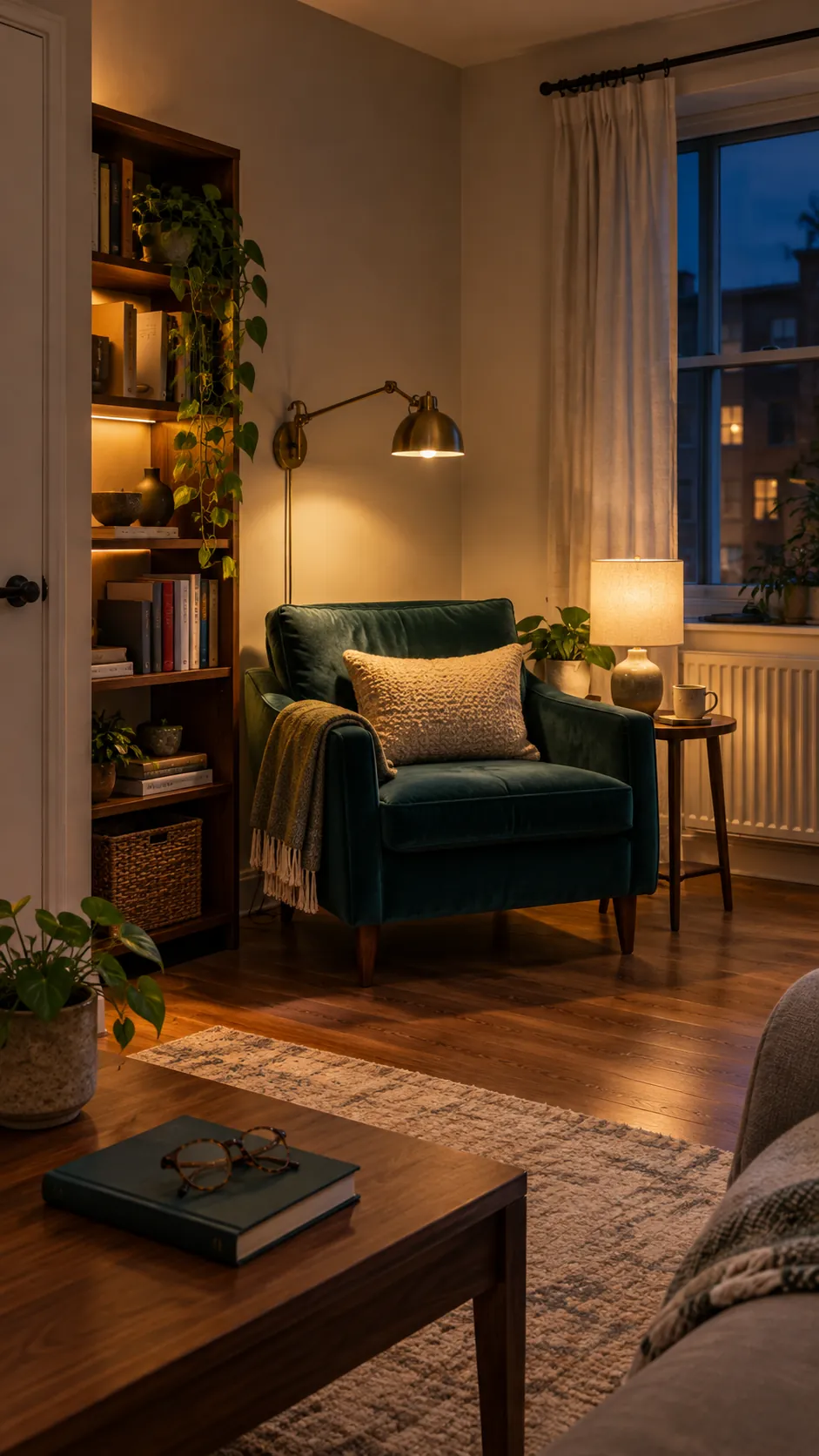
One bright ceiling fixture can leave corners gloomy and make a compact room feel flat. Layered lighting in a small room should cover general movement, a focused task, and a softer evening mood. Combine a ceiling or wall source with a reading lamp and a low glow on a shelf or table.
Place light where it supports an activity rather than scattering lamps wherever an outlet appears. A wall mounted light can free a bedside surface, while a narrow floor lamp can brighten a reading chair without requiring a table. Match bulb color closely so the room feels intentional, and aim light toward textured fabric or wood to create gentle depth.
Use Vertical Wall Decor With Restraint
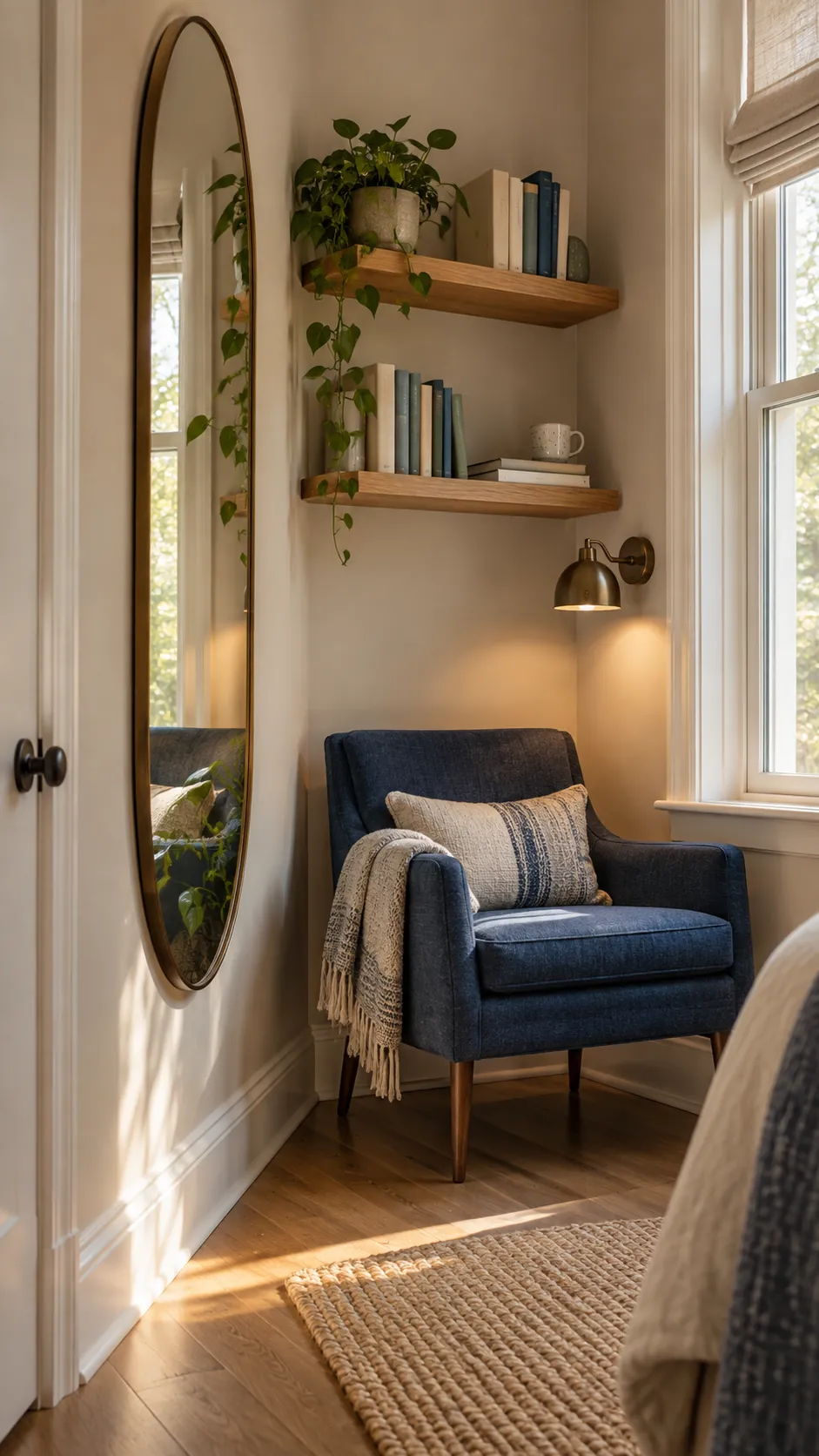
Vertical wall decor can draw attention upward and protect valuable floor area. A tall mirror, a narrow textile panel, or a measured column of small frames can create height. Choose one strong vertical moment instead of covering every wall, since empty wall area gives the display a clear edge.
Hang useful items where they support the room’s daily job. A shallow rail can hold reading material near a chair, and a pair of small shelves can keep a desk surface open. Check the depth carefully in walking areas, and anchor every shelf according to its load and wall type.
Place the Rug to Unify the Main Zone
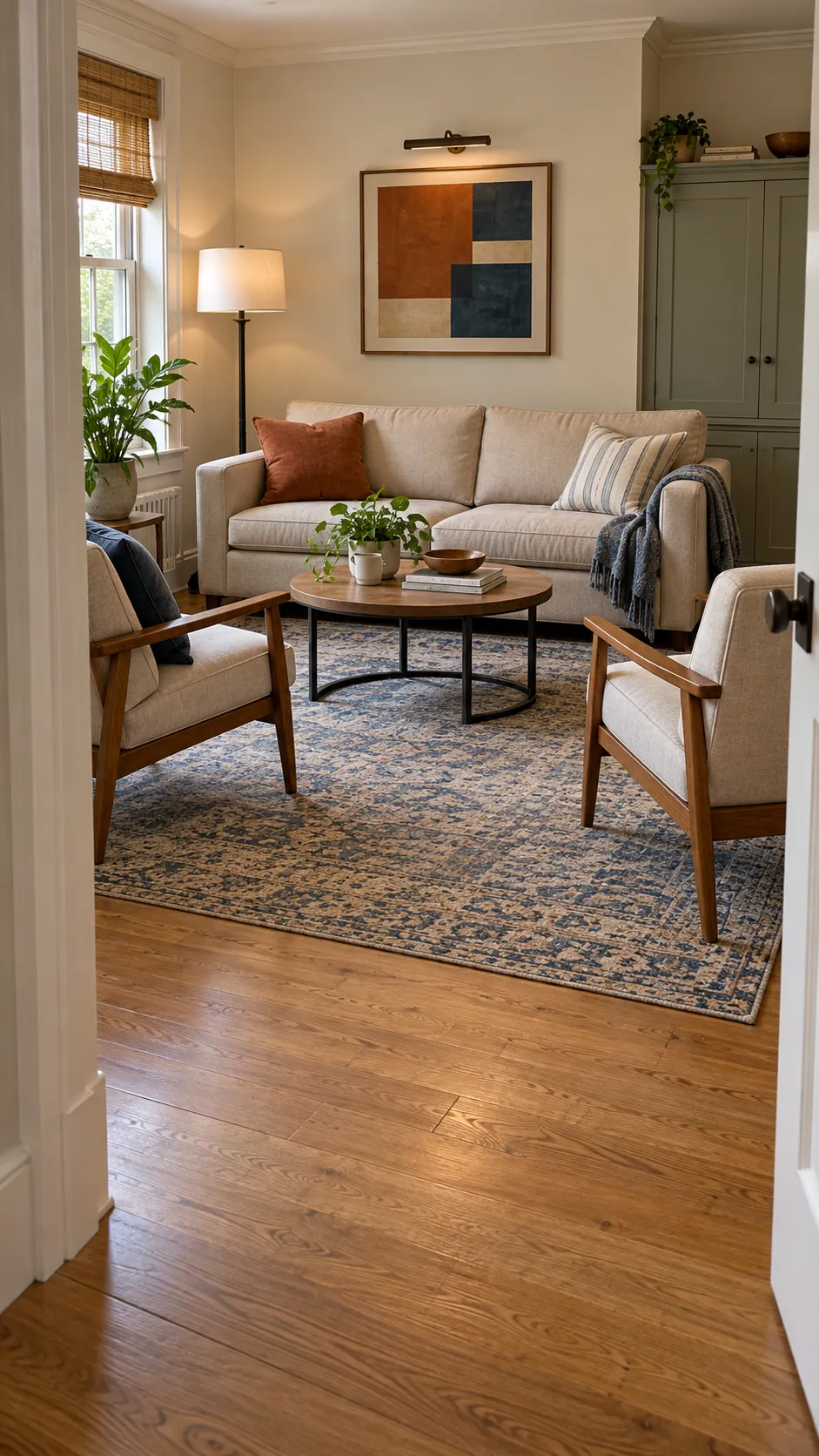
Small rug placement should make a furniture group feel connected. In a sitting area, let the front legs of the main seats rest on the rug when possible. A rug that floats alone in the middle often emphasizes the limited floor area and can make the furniture look disconnected.
Choose a low pile surface when doors or rolling chairs need clearance. A quiet pattern can hide daily wear, while a plain rug can settle a room that already contains strong fabric or artwork. Leave a visible border of floor where practical so the rug defines a zone without appearing wedged against every edge.
Finish With Fewer, More Personal Accessories
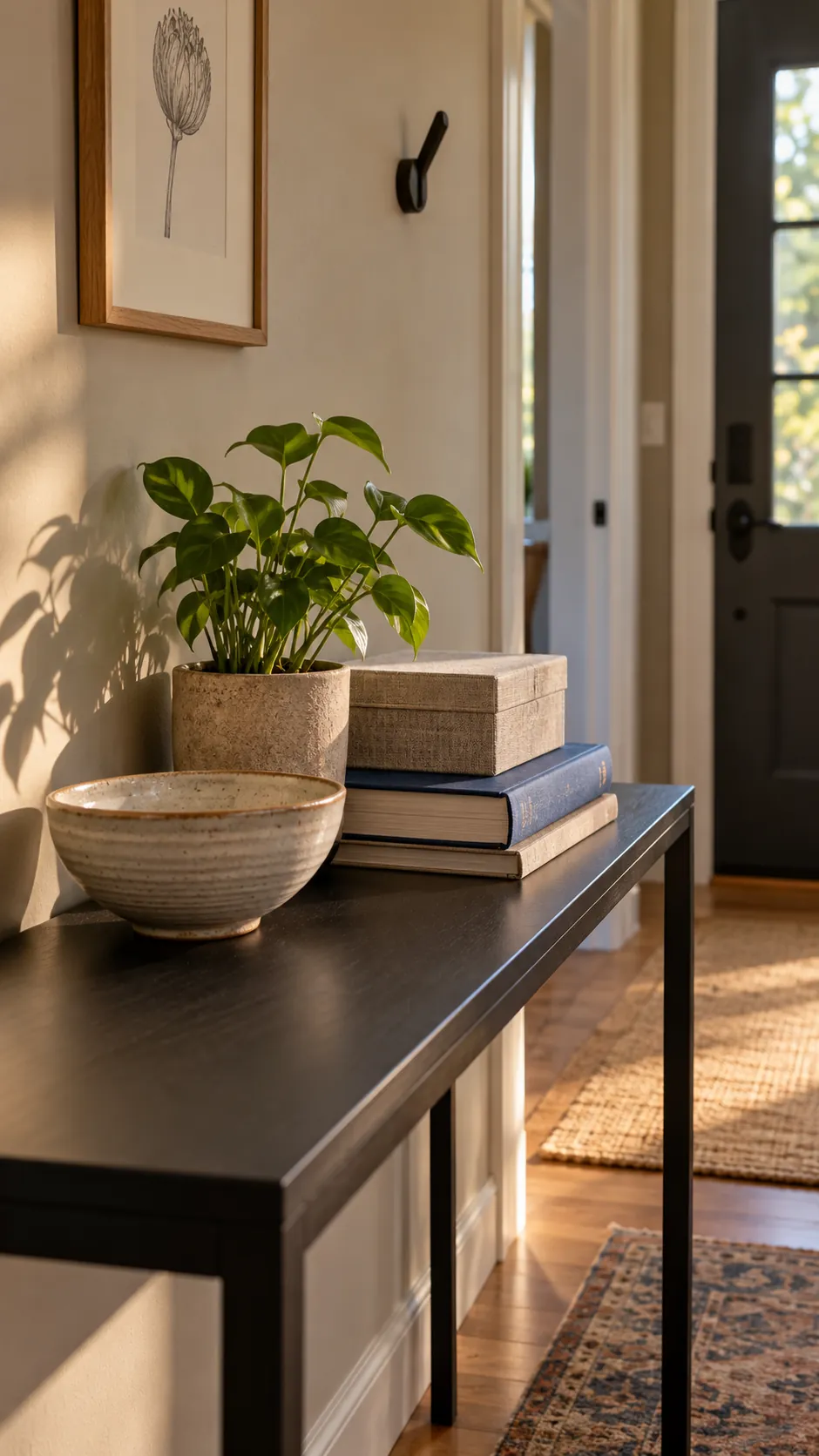
Simple room accessories should finish the plan, not rescue it. Gather possible objects in one place, then select a few that vary in height, shape, and texture. A ceramic bowl, a small plant, and one meaningful book can feel richer than a line of unrelated ornaments.
Keep daily surfaces partly empty so the room can absorb a cup, laptop, folded clothing, or current project without immediate clutter. Repeat one material or accent color to connect the final details. When the room still feels busy, remove one object from each surface and live with the change for a day before buying anything else.