
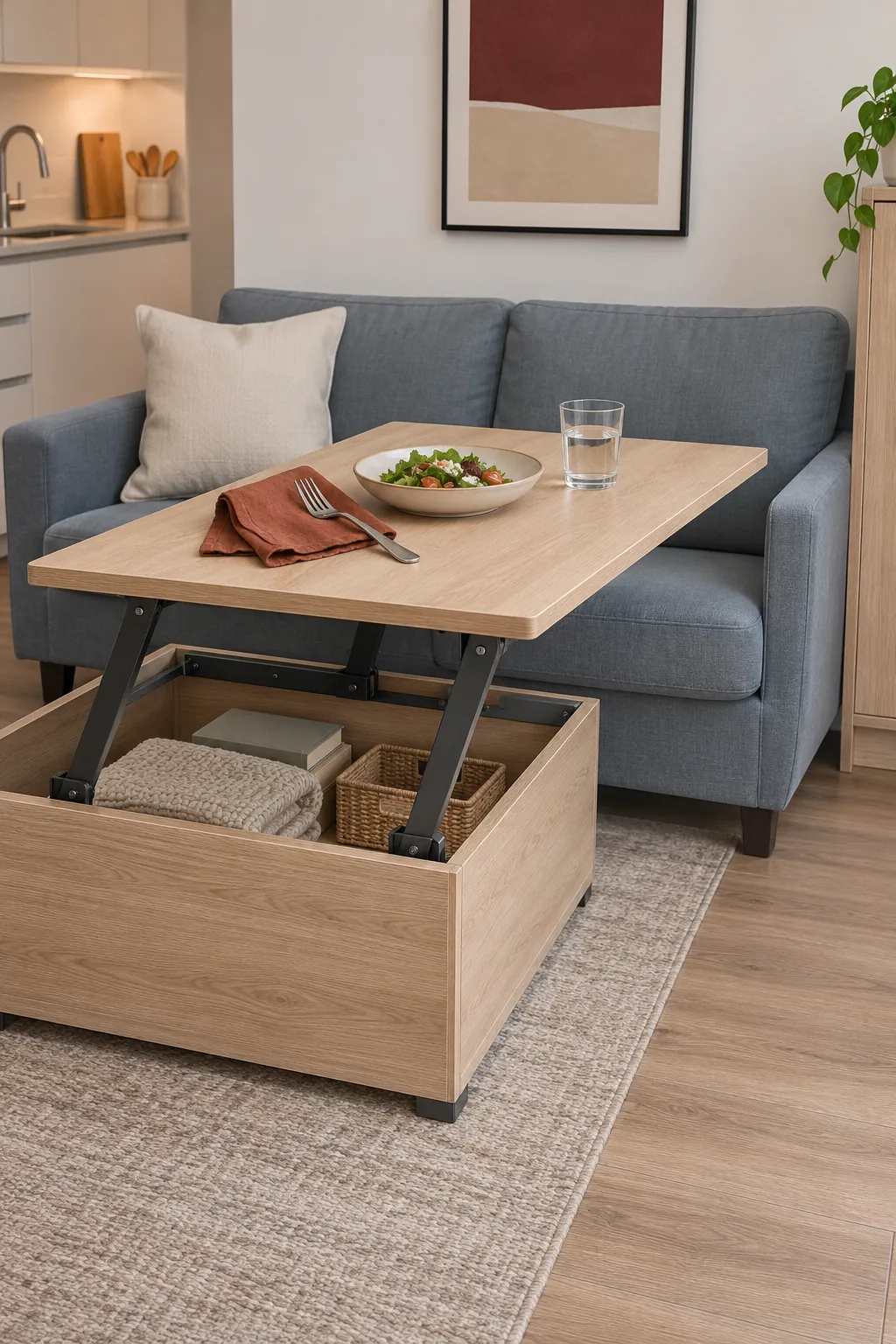
A raised coffee table earns its floor space when you can finish a bowl of soup with your back against the sofa. The useful numbers are the height you sit at, the height the top reaches and how close it comes to your plate hand. Measure all three before you compare finishes or storage.
Measure from the cushion you sit on
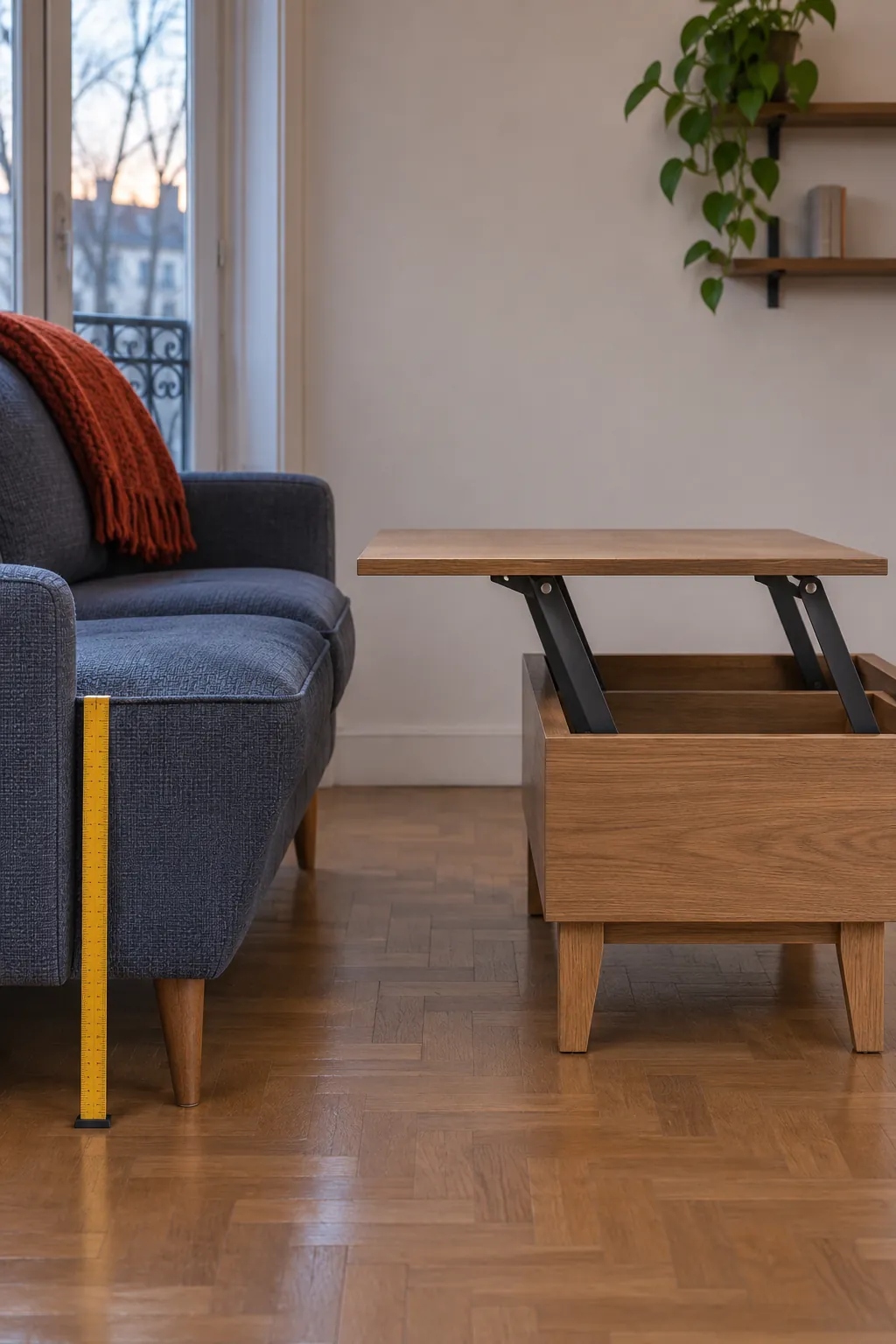
Sit normally in your usual spot and ask someone to measure from the floor to the compressed seat beside your thigh. Measure to your relaxed elbow as well. Use a sturdy adjustable surface to try a few heights, starting with your elbows hanging comfortably by your sides. If you have to raise your shoulders to take a bite, lower the test surface.
Measure the actual raised height of the coffee table or get it from the maker. Two people on the same sofa may prefer different heights. Test both seats if you share meals.
Check how far the top comes toward you
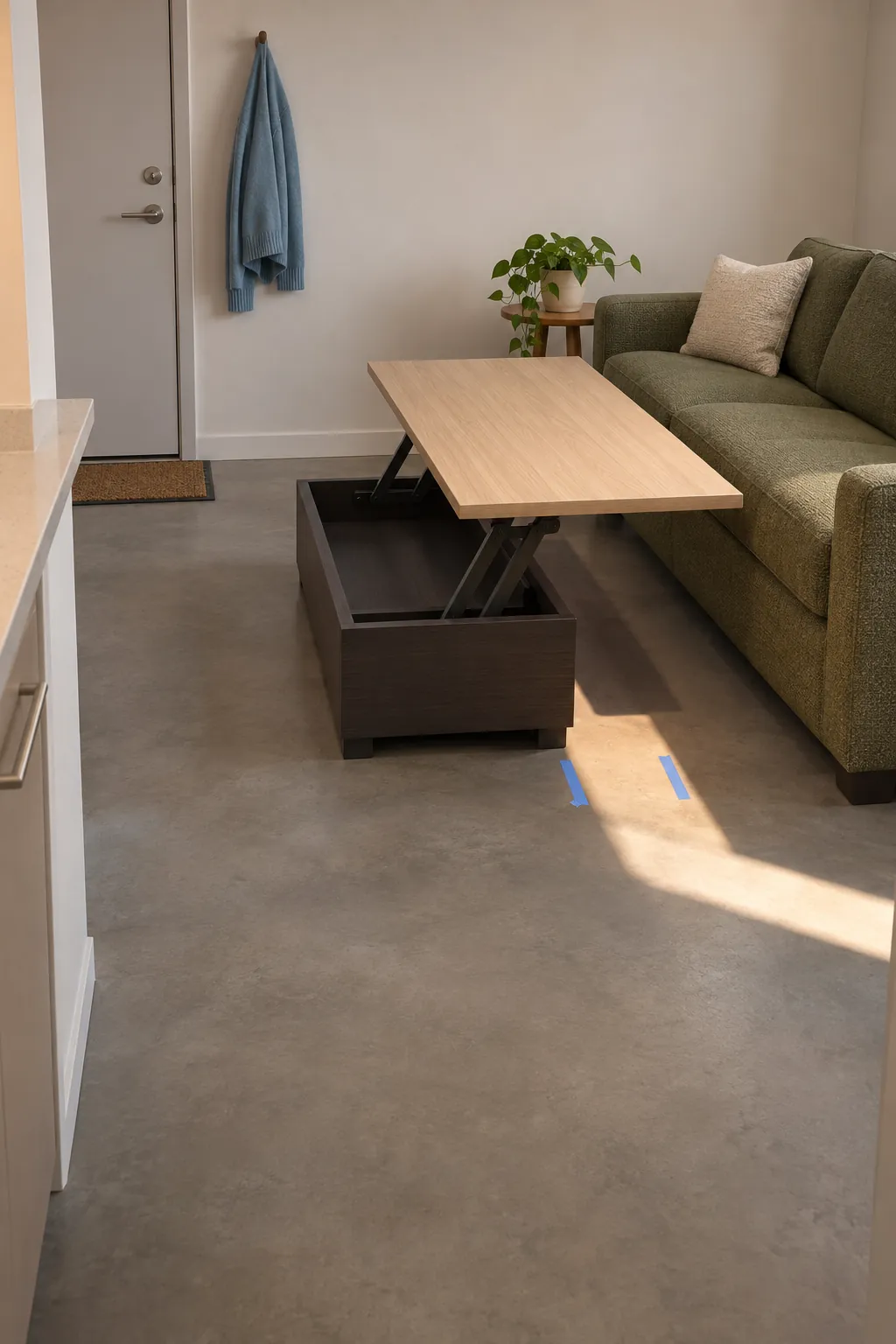
A top that moves forward as it rises can bring the plate within reach without moving the whole table. Ask for the forward travel as well as the raised height. Mark the closed footprint on the floor, then mark where the front edge lands when fully open.
Can you get both knees under the overhang? Can you sit down and leave the sofa while the top is up? Try entering from the side you use most, then walk the route you’ll take from the kitchen with a plate.
Look for a steady top at full height
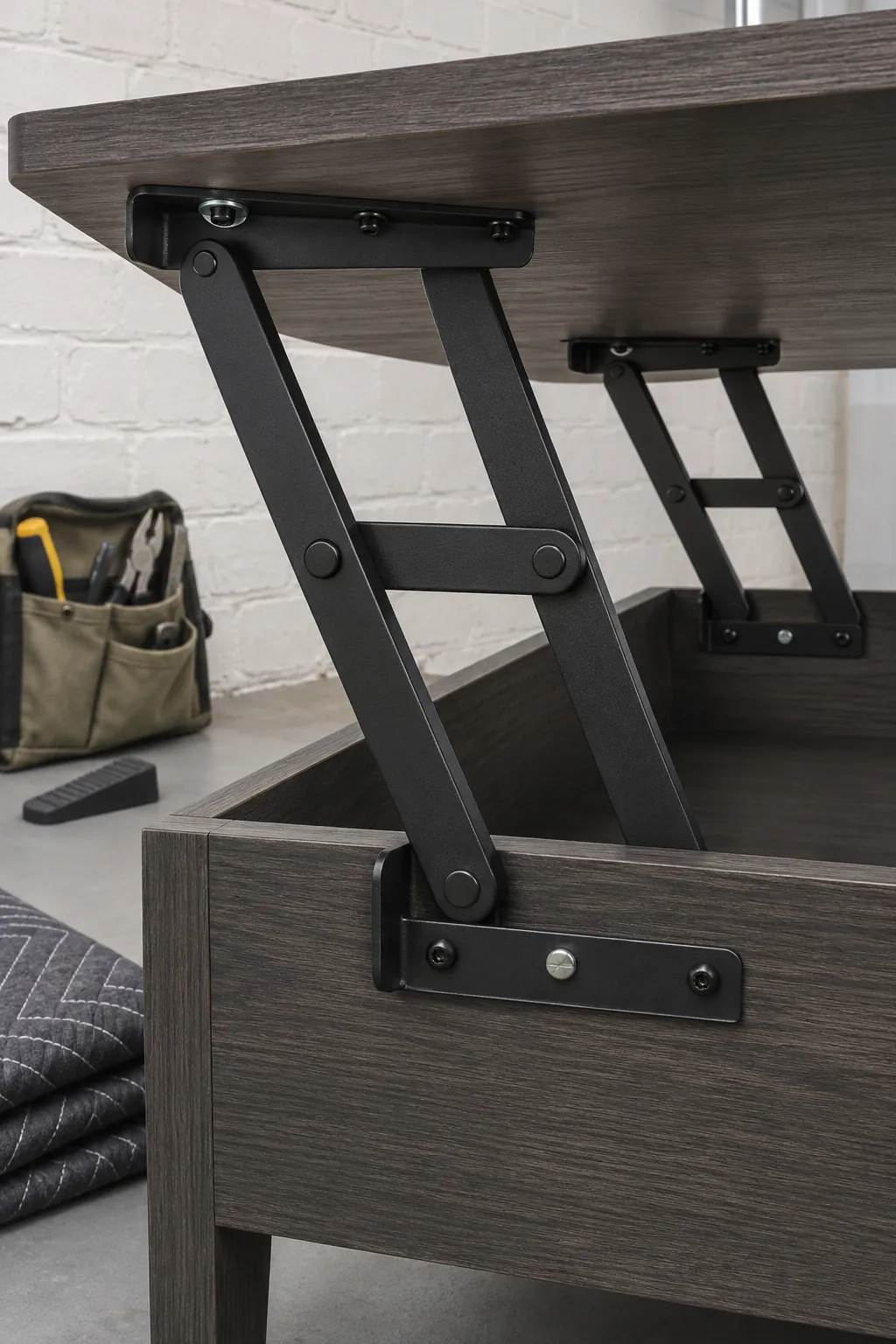
In a showroom or with a secondhand seller, raise the empty top the way the instructions describe. See if it rises evenly and stays level once open. A gentle nudge at the corner can reveal side to side play. Stop if the lift binds or a mounting screw shifts.
Ask for the load rating in the raised position, which can be lower than the closed rating. Keep fingers clear of moving joints, and clear the surface before opening or closing it unless the manufacturer expressly permits a load.
Set two places before you count on two seats
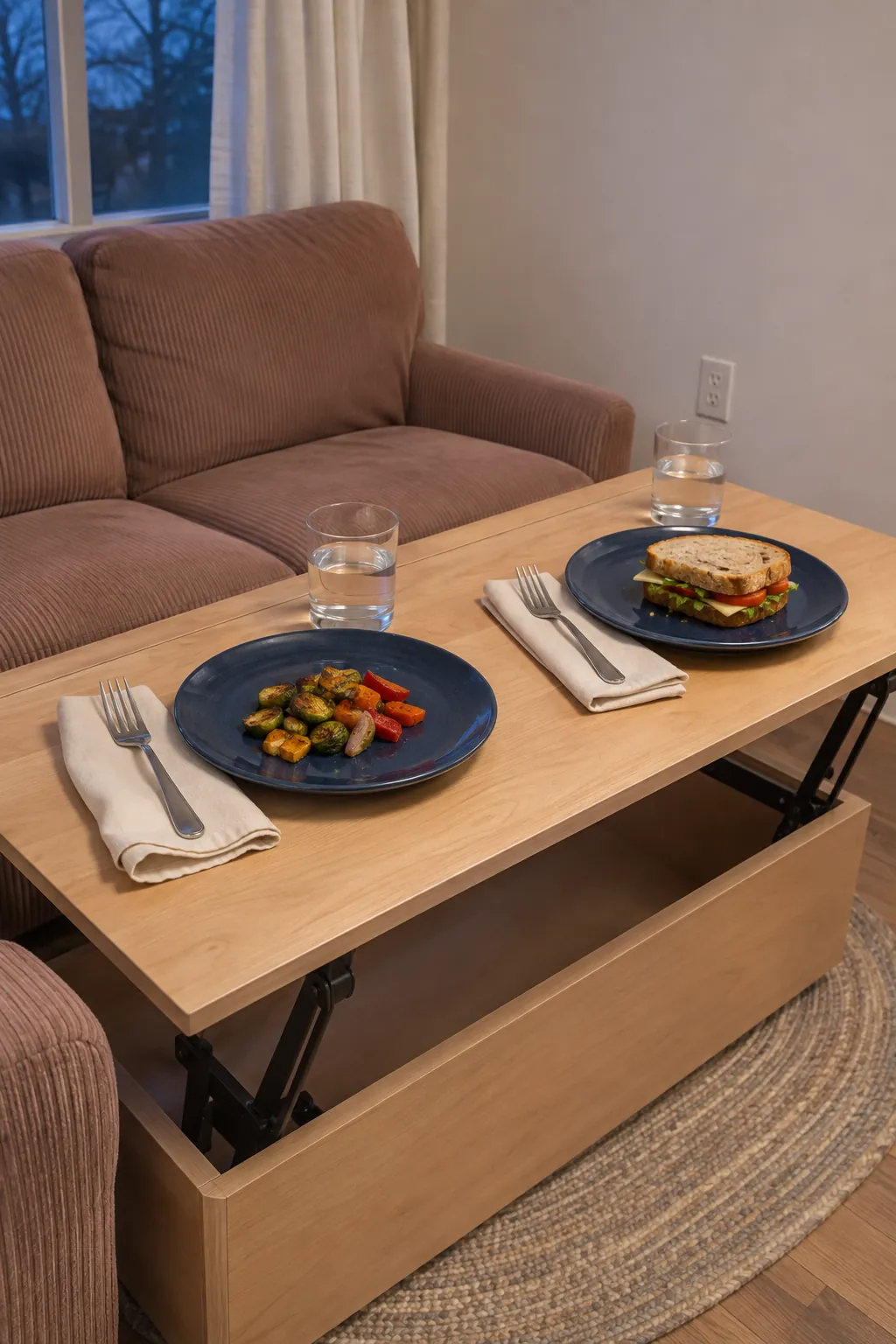
Check the width and depth of the part that lifts. Some models raise only one panel. Place two of your dinner plates, drinking glasses and sets of utensils on a piece of cardboard the same size as the raised surface. You should be able to set down a glass without balancing it at the edge.
If there’s space for only one comfortable place, use it that way. A compact drop leaf table or a pair of folding trays may serve two diners better.
Make crumbs and spills easy to reach
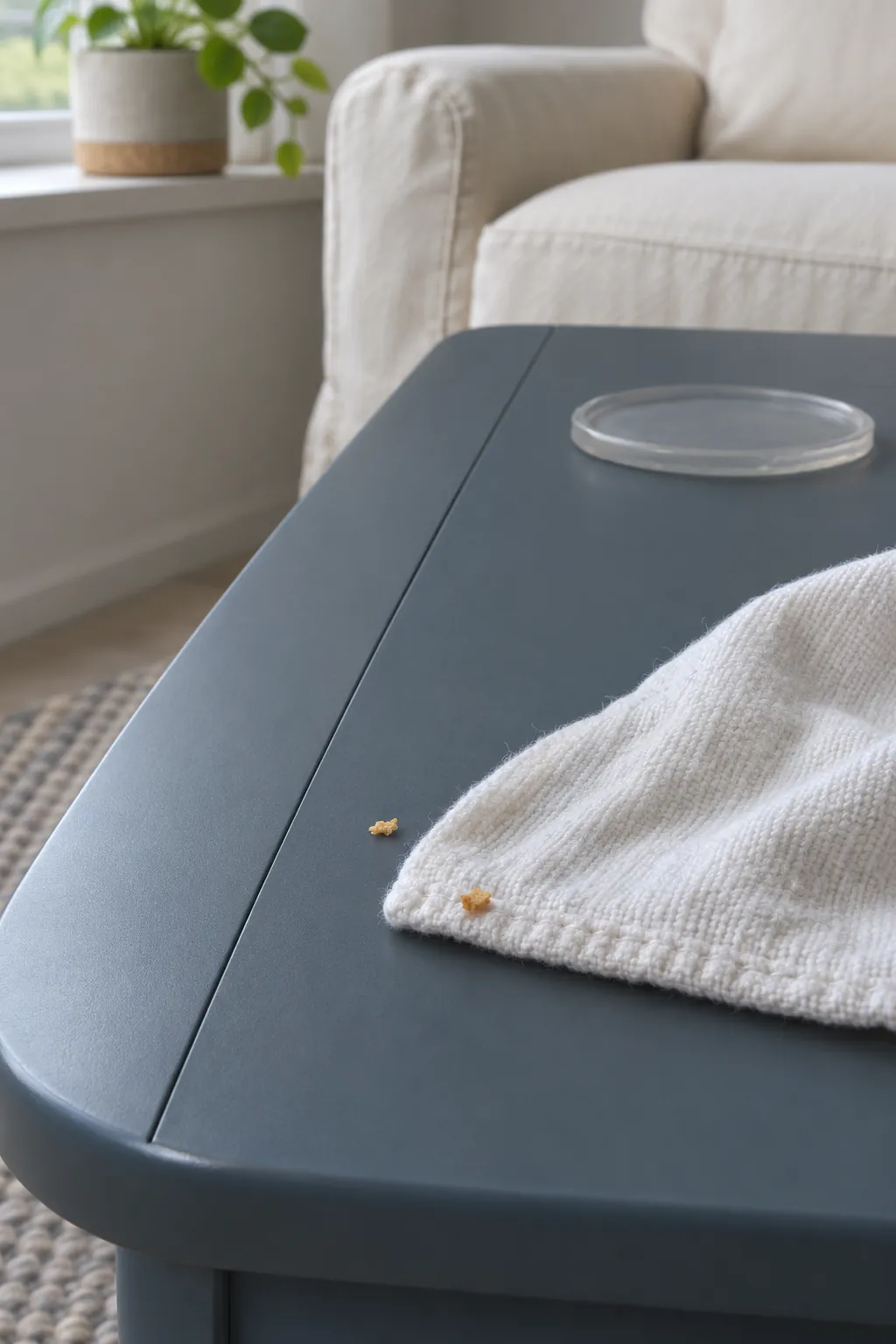
Look for a top you can wipe with supplies you already keep in the kitchen. Read the care instructions to see what the finish can handle. Run your eye along the join between the lift panel and the base. A deep open seam makes it harder to wipe up crumbs, and you’ll want to keep liquid away from the storage cavity and moving hardware.
Test the change back to coffee table mode
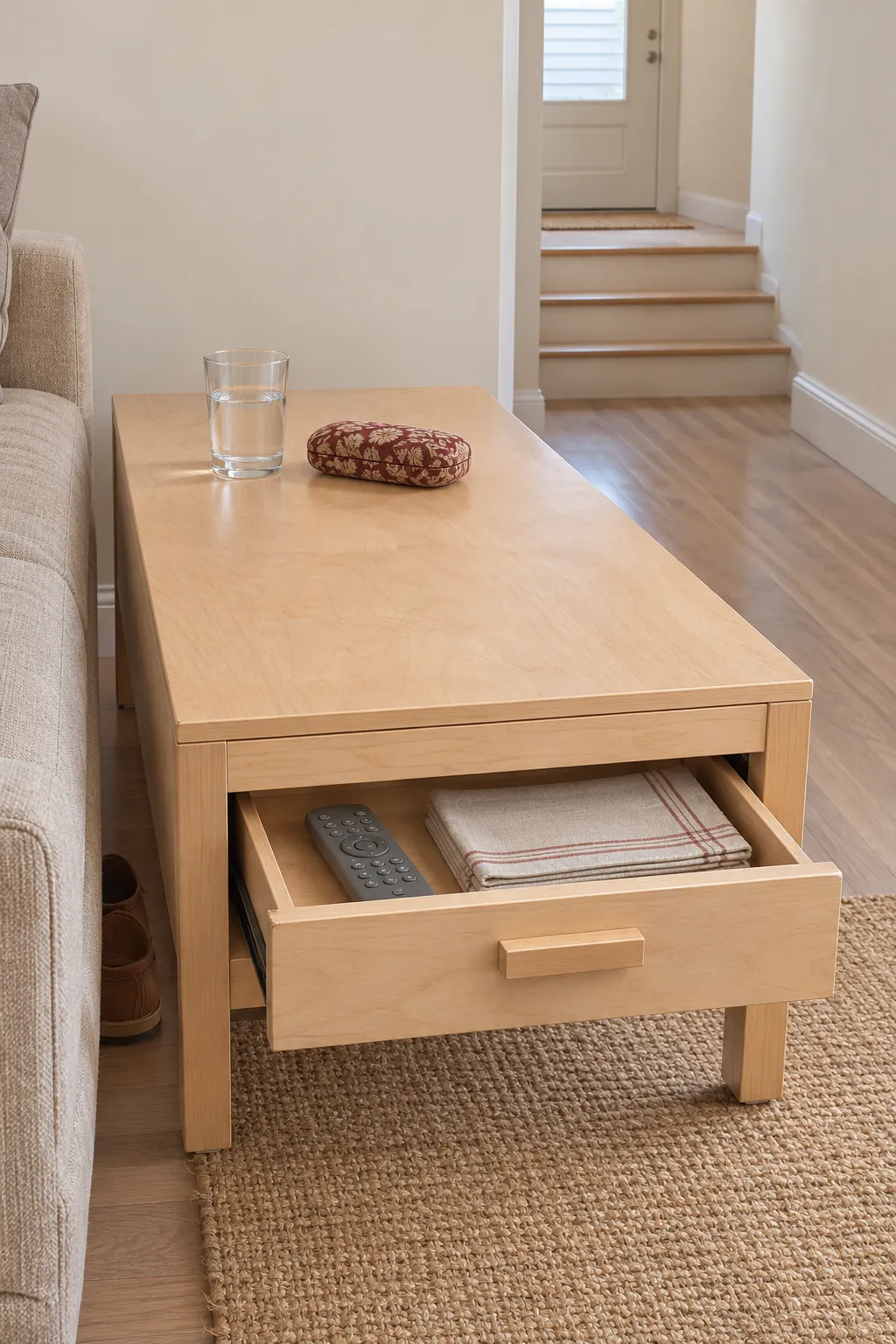
After dinner, you’ll need somewhere to set the dishes before lowering the top. Try that sequence in your room. If you use the compartment underneath for remotes or napkins, check that they sit below the moving hardware and stay accessible when you need them. A separate drawer can be easier to reach while the top is in use.
The model to buy is the one you can open, eat at and put away with the furniture where it normally sits. Do the whole trial with a plate and cup on your test surface before you make room for another piece of furniture.