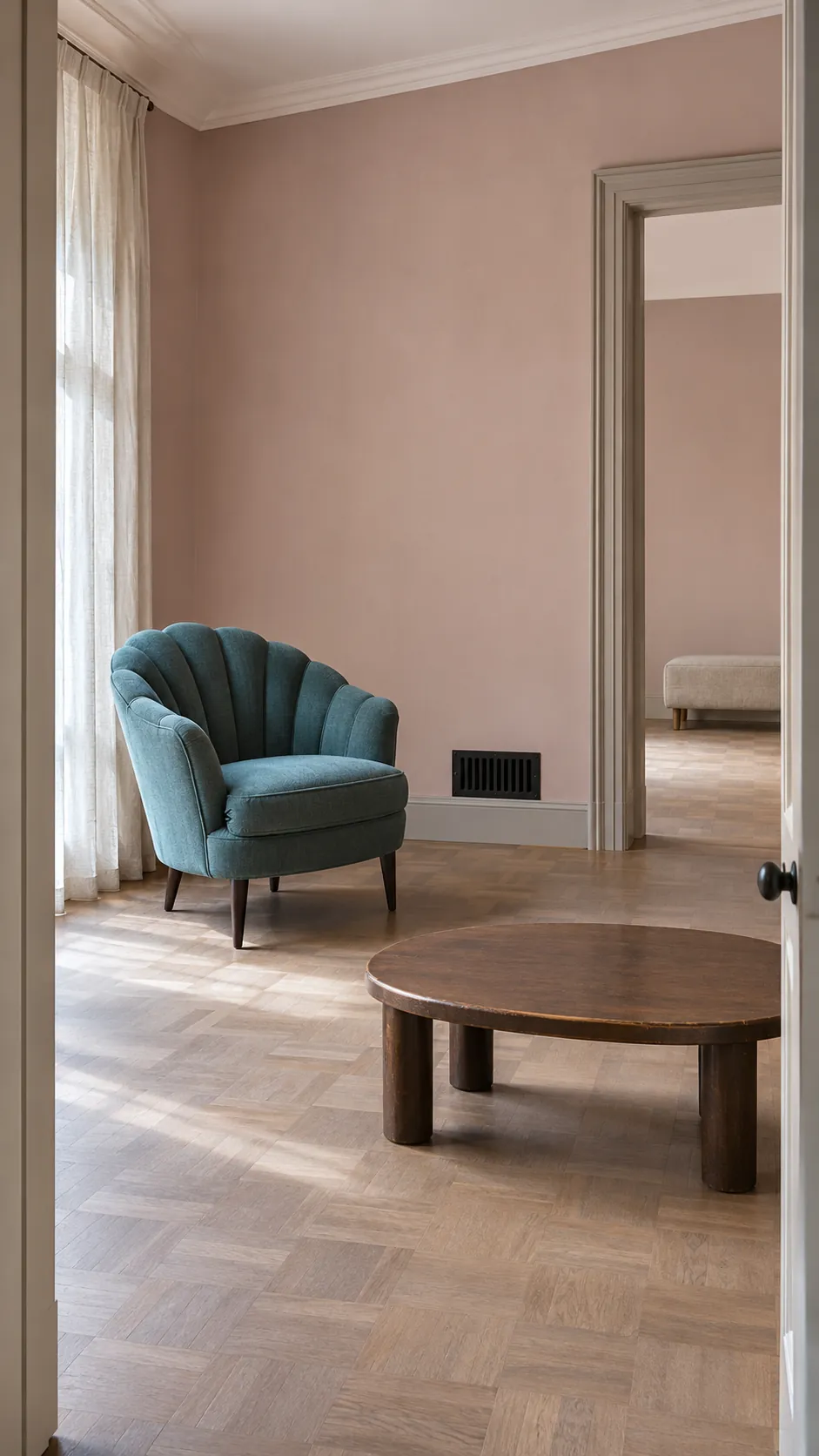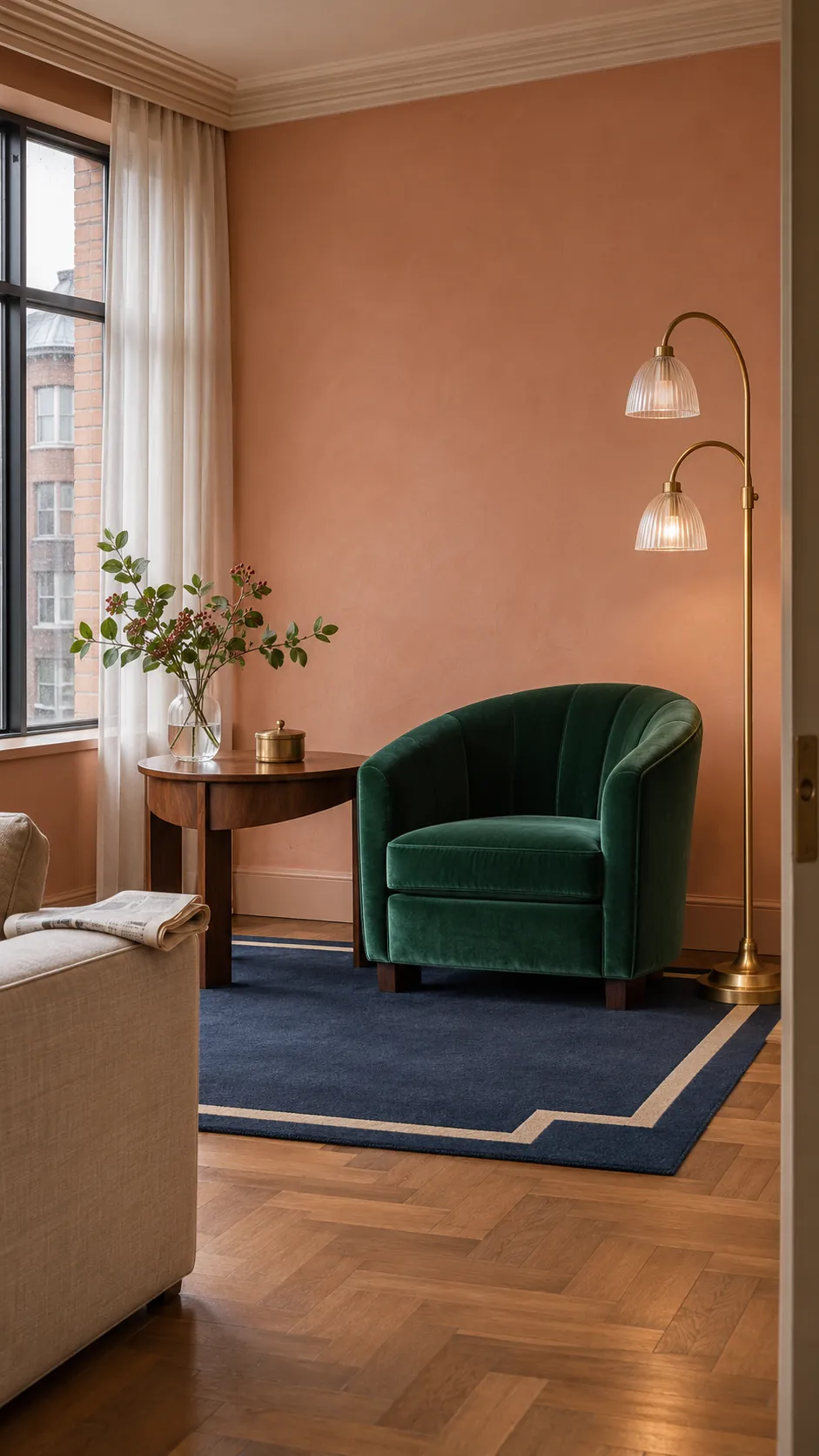
A fan pattern, a velvet chair and a brass lamp can each hold a room on their own. Put all three in the same corner and it gets harder to see what drew you to any of them. Start with the feature you most want to keep, then give it a job and some space around it.
Start with the room’s strongest shape
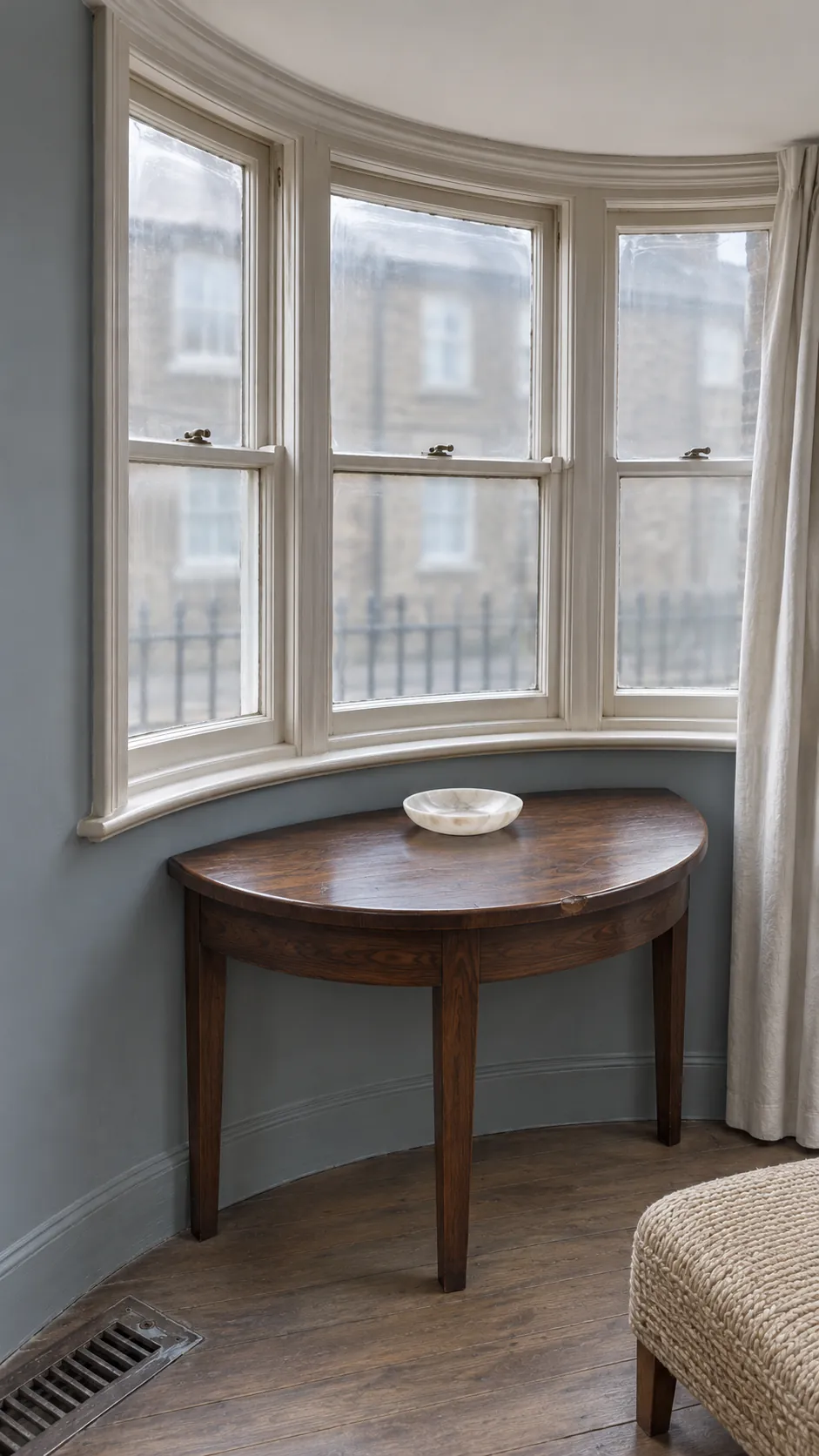
Pick a shape you can already see from the door, such as the curve of a bay or the straight edge of a fireplace. Repeat part of that outline on one piece nearby, perhaps a half round table beneath the bay. Let the next large surface stay plain so you can see where the repetition begins and ends.
Pair emerald velvet with satin brass
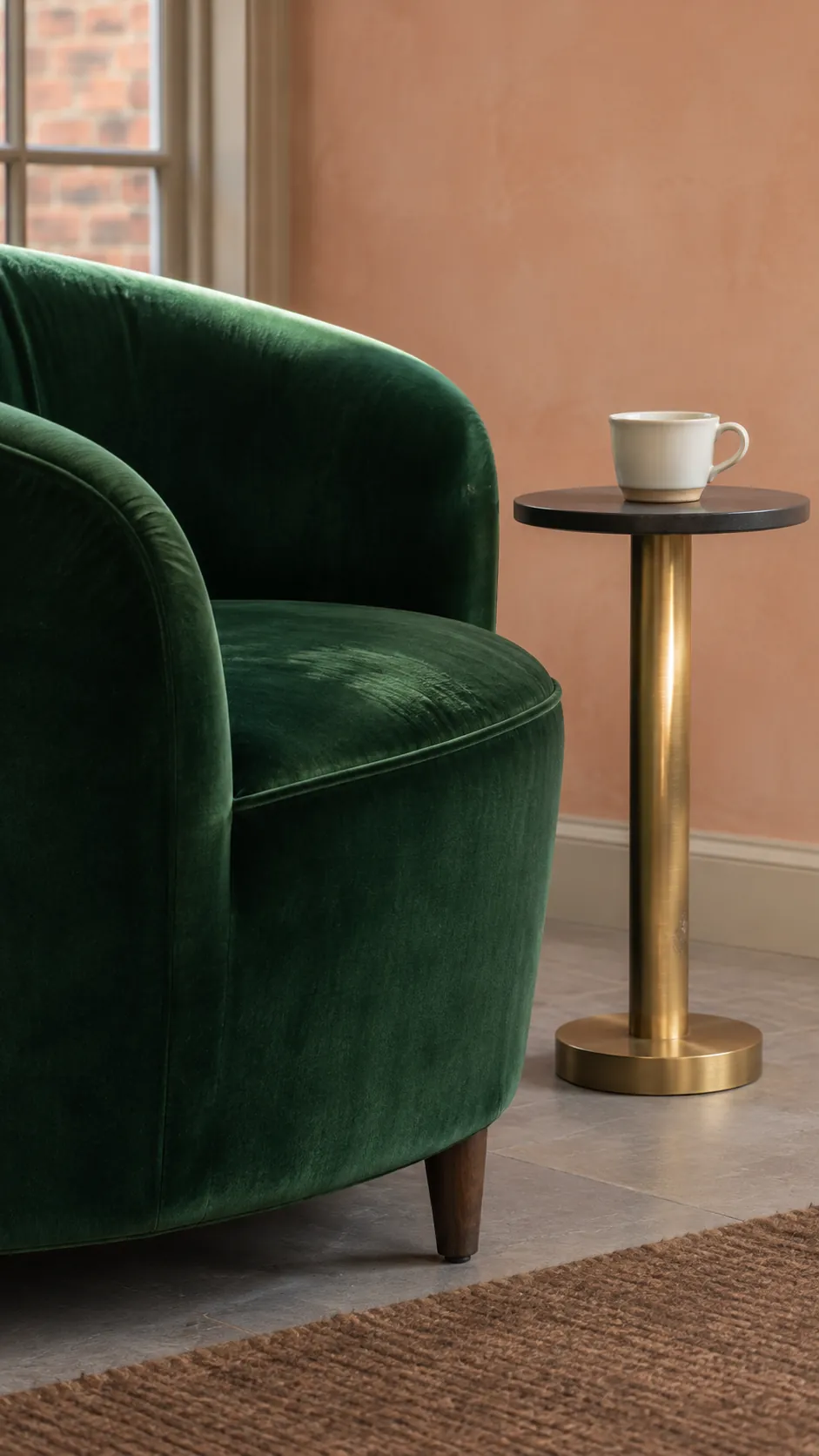
An emerald seat gives a plain room a strong color without using up wall space. Satin brass brings a softer glint to a side table or a lamp base, where you can see it up close. Brush the velvet swatch in both directions before you choose it, because the nap can make one side of the seat look darker.
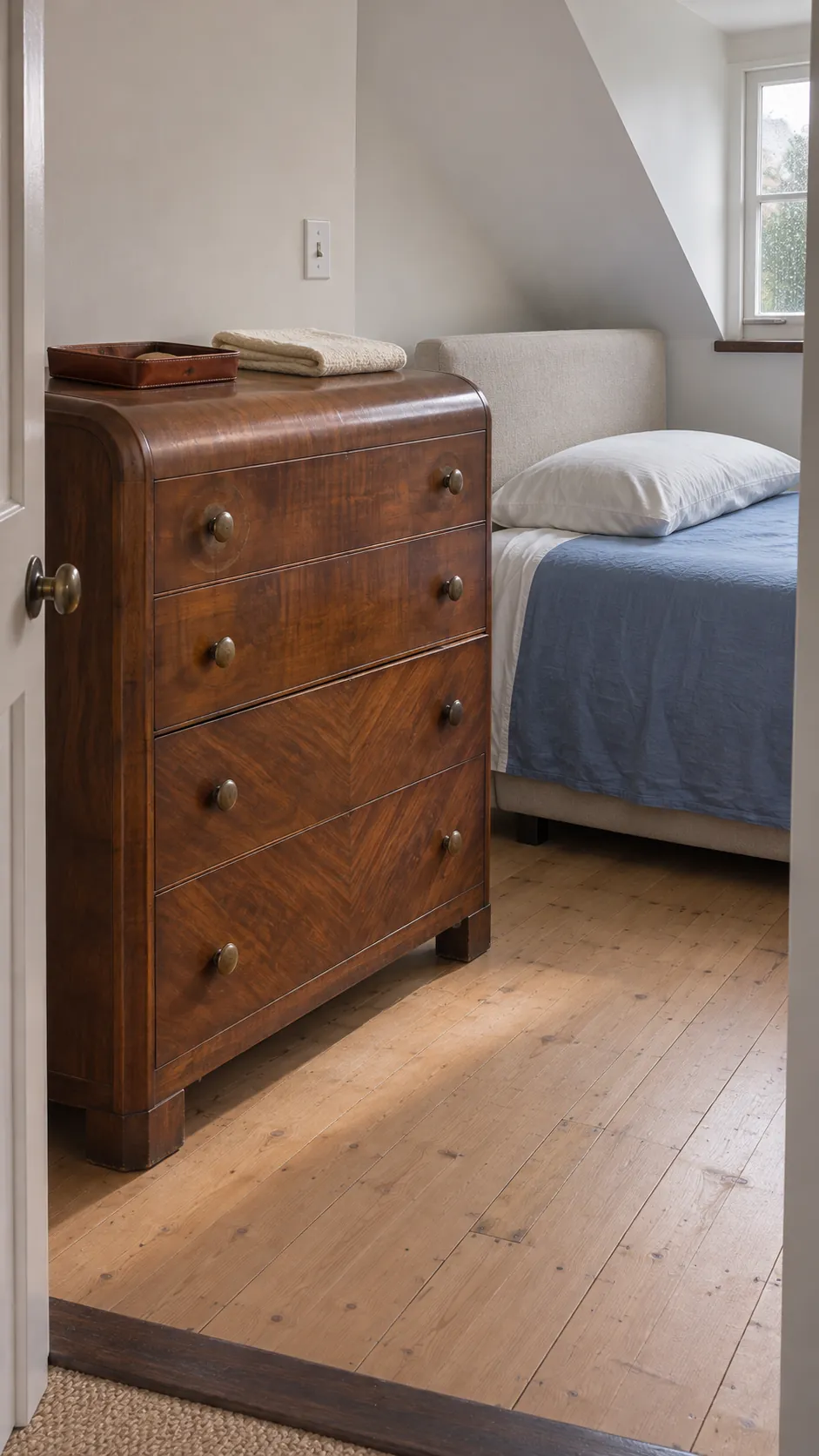
Keep an antique dresser in a modern bedroom
Start with the dresser’s dimensions and color before replacing anything else. A plain headboard gives the rounded drawer fronts and unusual veneer space to show. Let the wood stay visible on top, with a small tray for the items you reach for every morning. Fix sticky drawers and check the piece’s stability before you rely on it for daily storage.
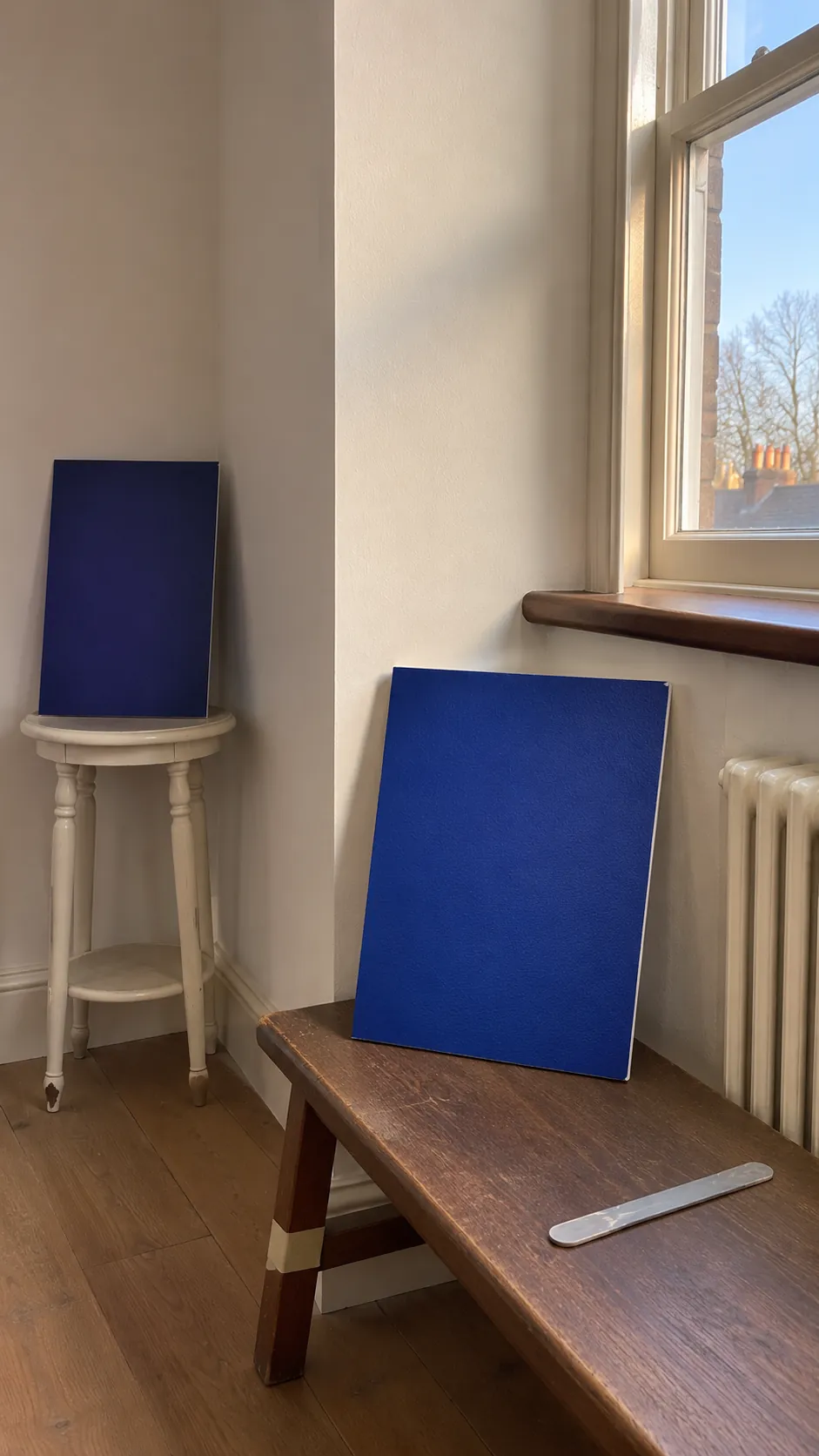
Try sapphire on a small wall first
A jewel tone sample on a movable board lets you compare the wall beside a window with the wall across from it. Look at each board when you normally use the room, including after sunset. If the deeper blue loses its color in a shadow, use it on a brighter recess or a smaller piece of furniture.
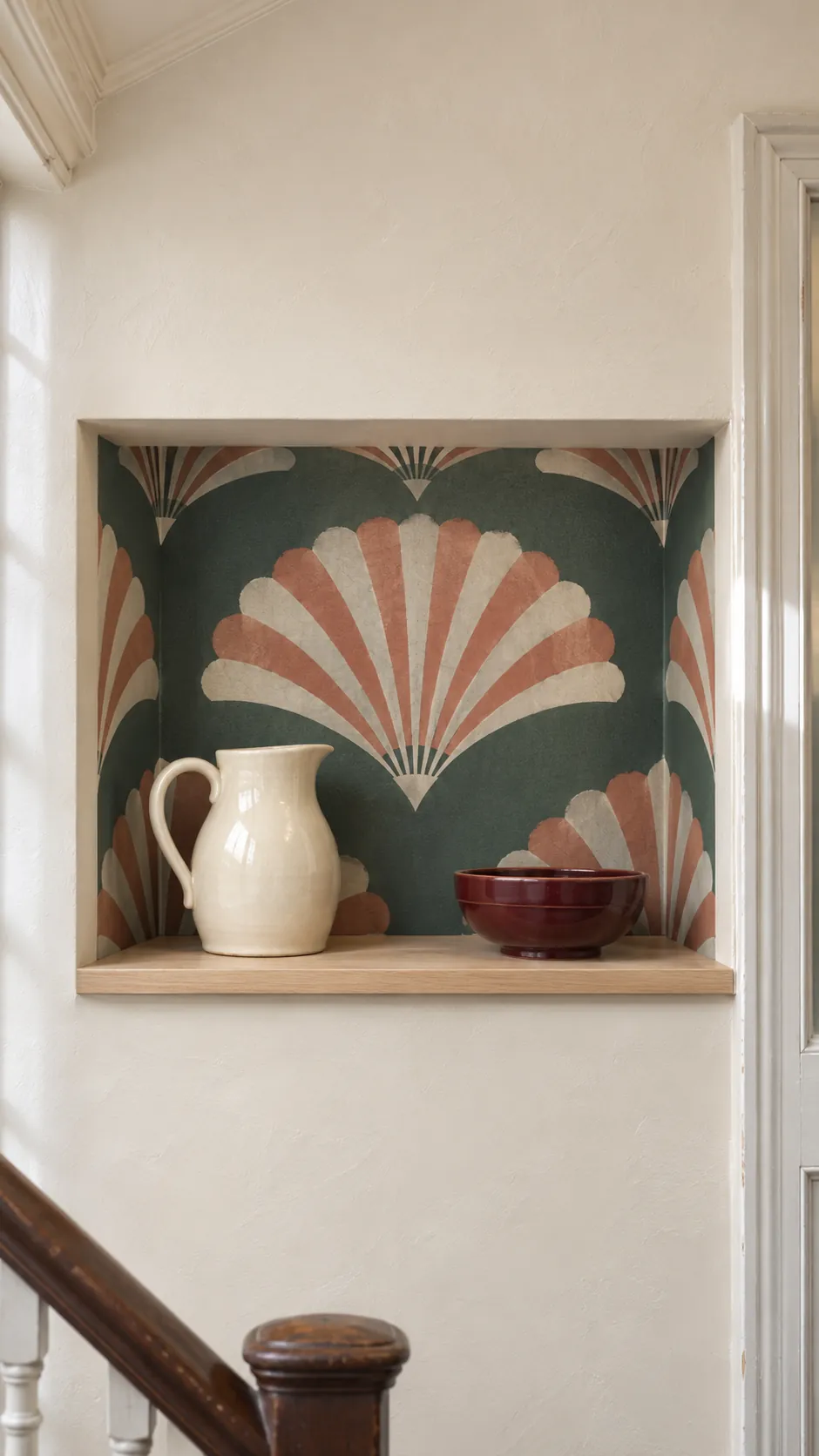
Put fan motif wallpaper inside a niche
A recessed wall makes a natural edge for a repeated fan motif. Plan where the pattern lands before cutting so the central fan stays whole and the side edges feel balanced. Sample the paper behind the shelf objects. A few broad, quiet objects will be easier to see than a line of small ornaments.
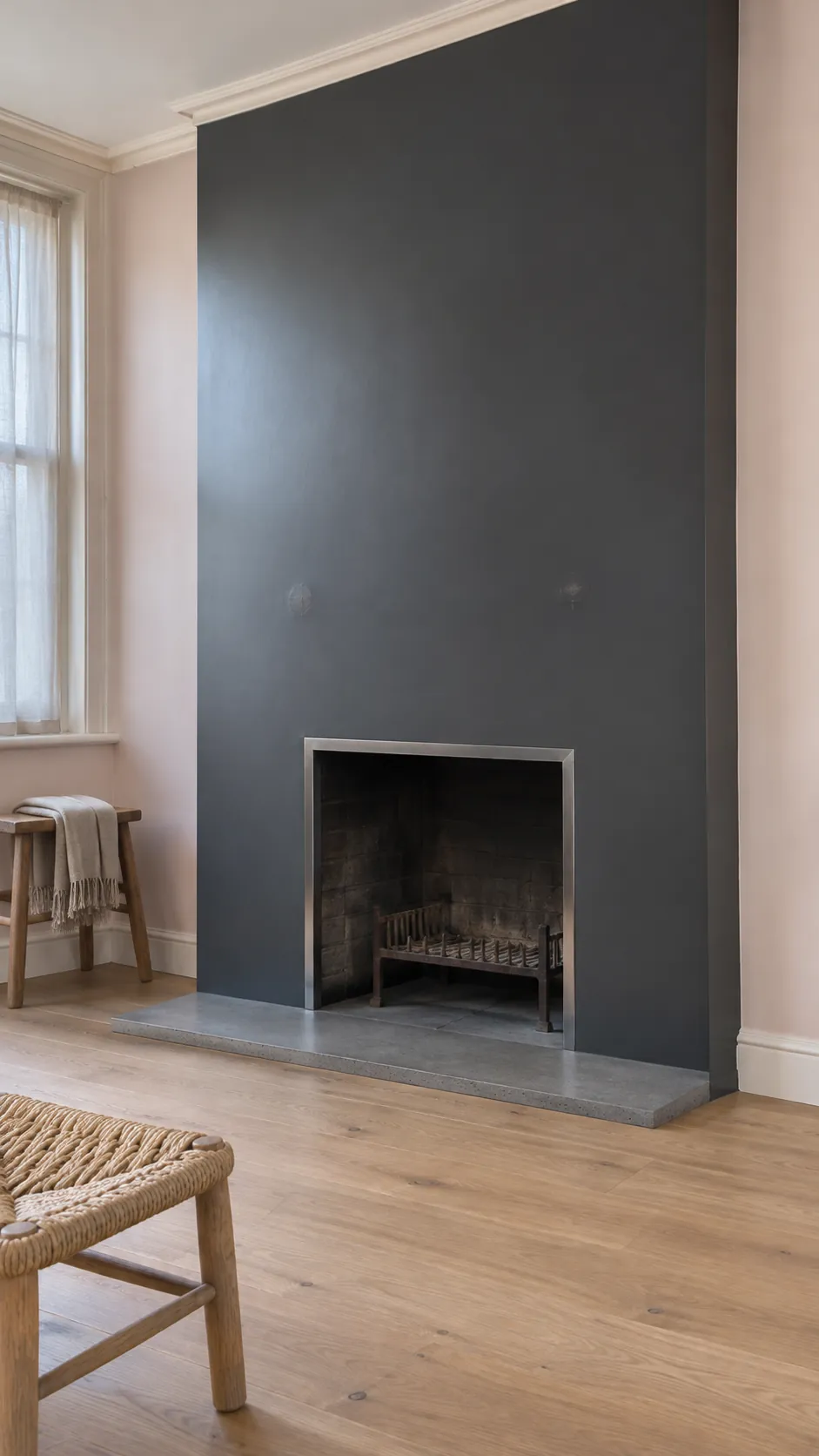
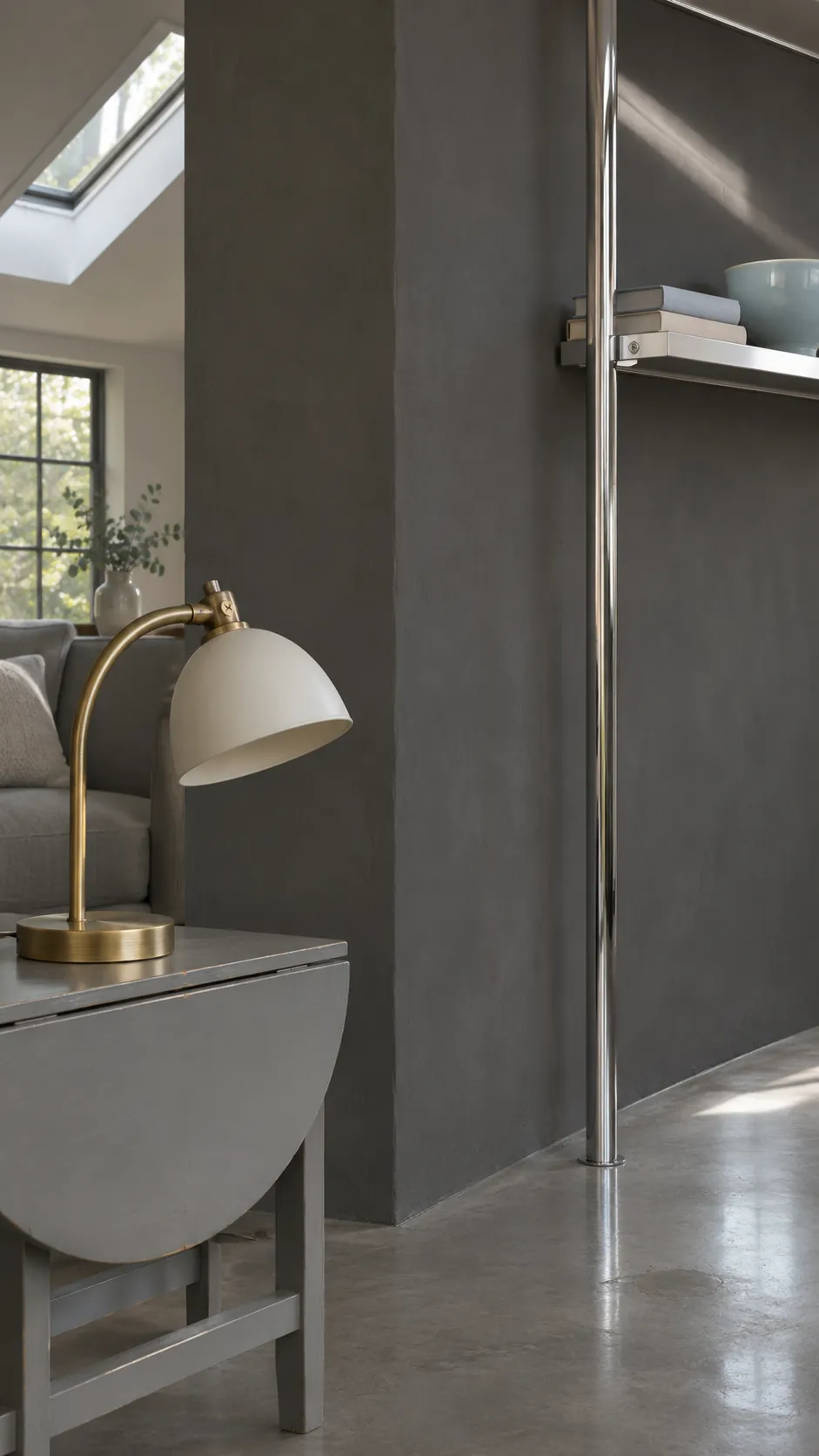
Choose one black surface with a soft sheen
A charcoal black wall behind a fireplace or desk can make the surrounding pale plaster feel brighter. Try it first where daylight reaches the wall. Give the painted finish enough sheen to catch light softly and check how the sample shows smudges before committing. Satin furniture paint can serve the same role on a sideboard if the room has little daylight.
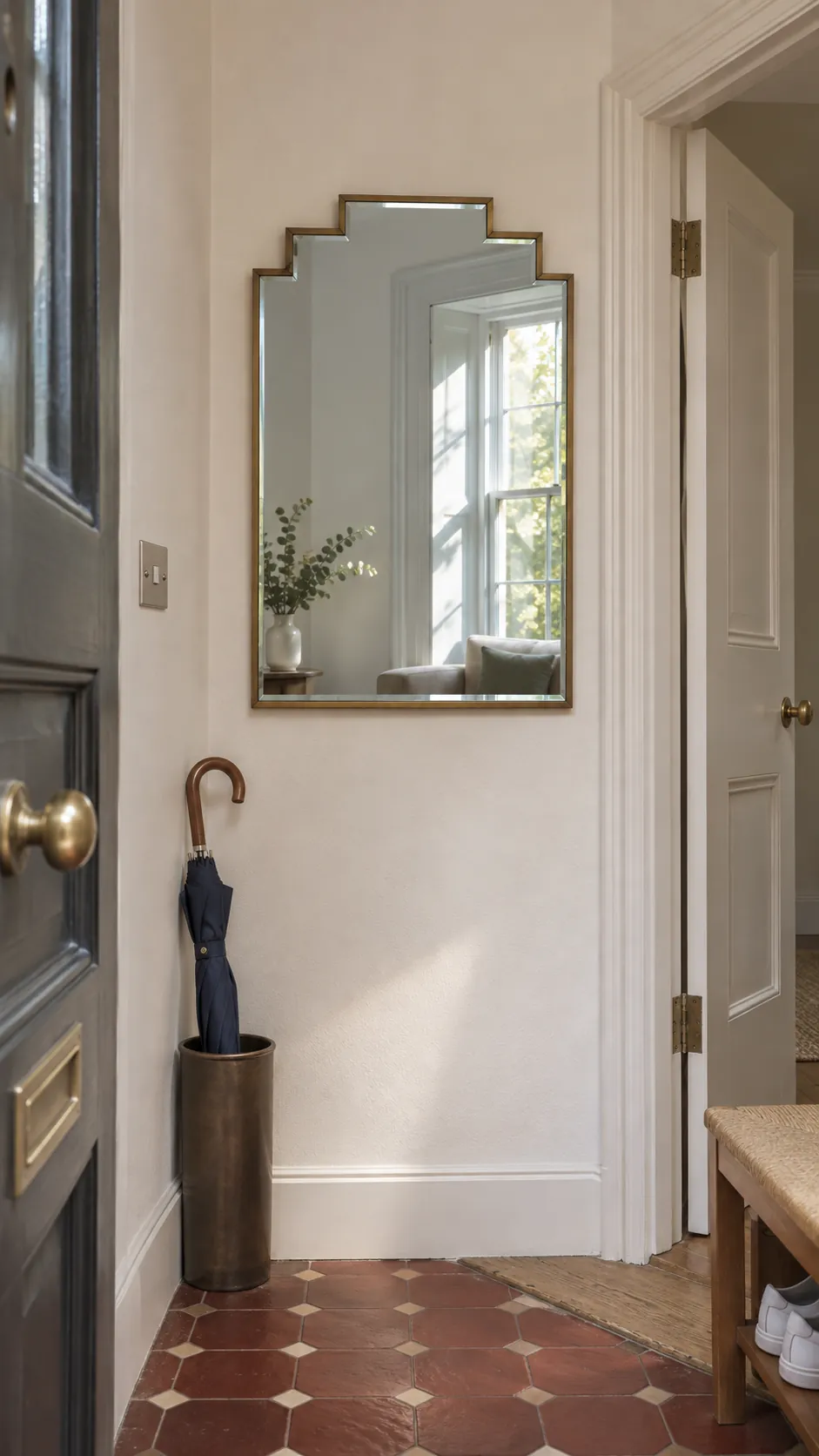
Use a stepped mirror to open an entry
A mirror with a stepped top brings Deco geometry to a narrow entry. Hang it where it reflects a nearby window or a patch of bright wall. Check the view at standing height from the front door so the strongest reflection falls somewhere you want to see.
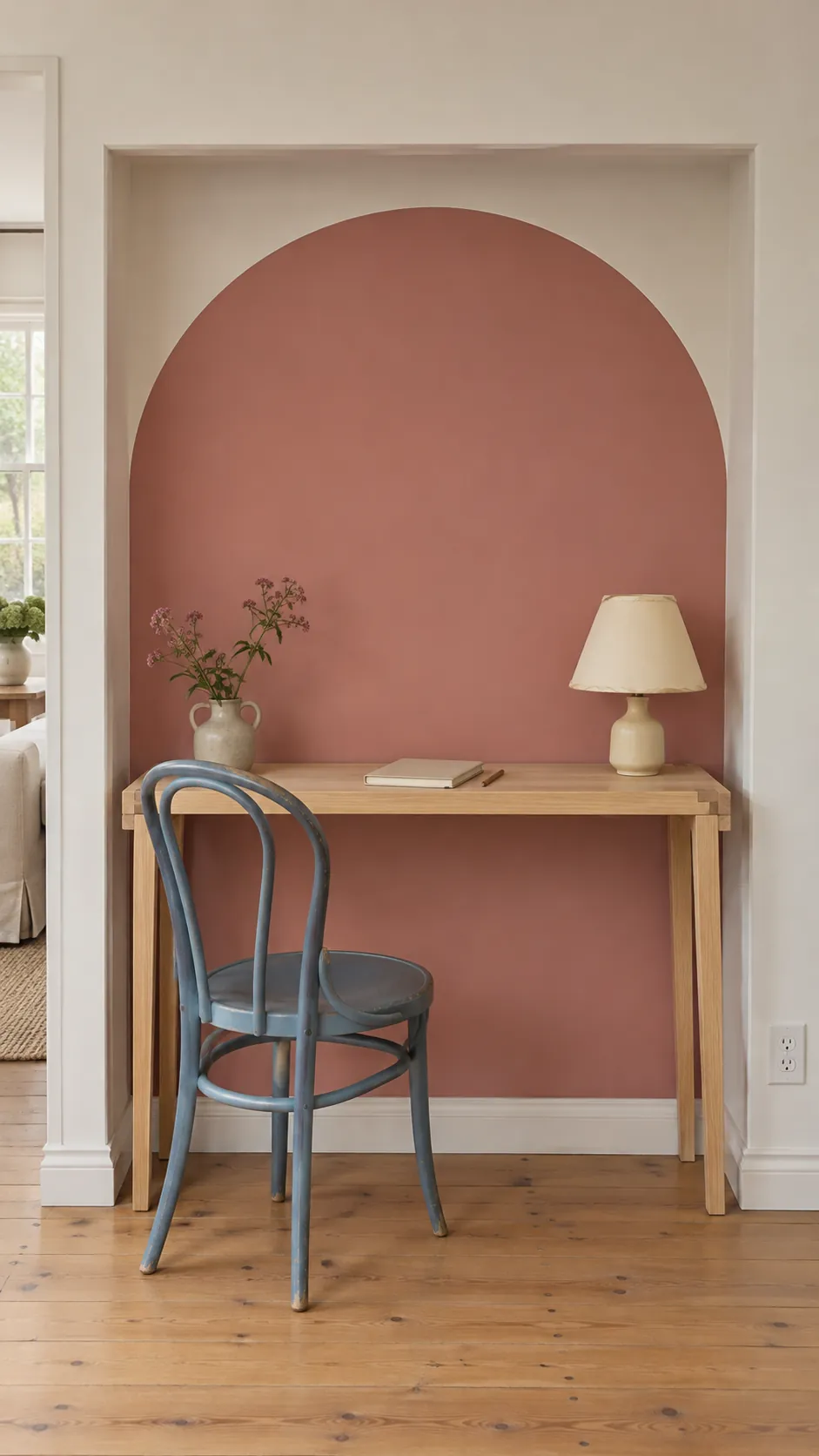
Fit an arch where it serves a purpose
An arched alcove can mark the place where someone reads, works, or takes off their shoes. Keep the curved top far enough above the chair or desktop to use the space comfortably. If you have a square recess, an arched color field can mark it with paint and still leave the full opening usable.
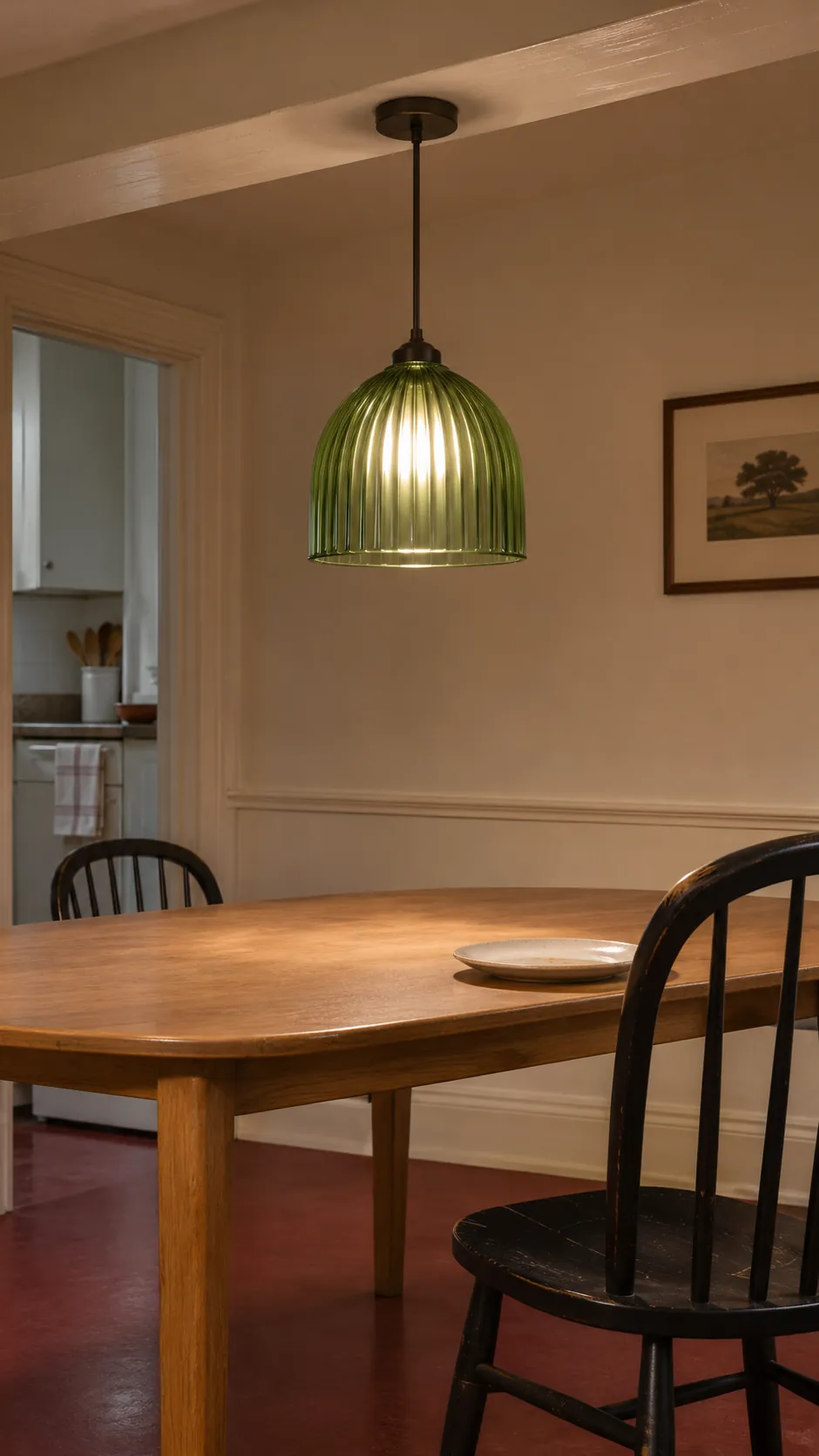
Light the dining table with fluted glass
A fluted glass pendant can catch the eye even when the room is softly lit. Use a diffused bulb so you can see the lines in the glass without looking into a bright point. Set the hanging height by checking sightlines both seated and standing. Ask an electrician to install or relocate a wired fitting.
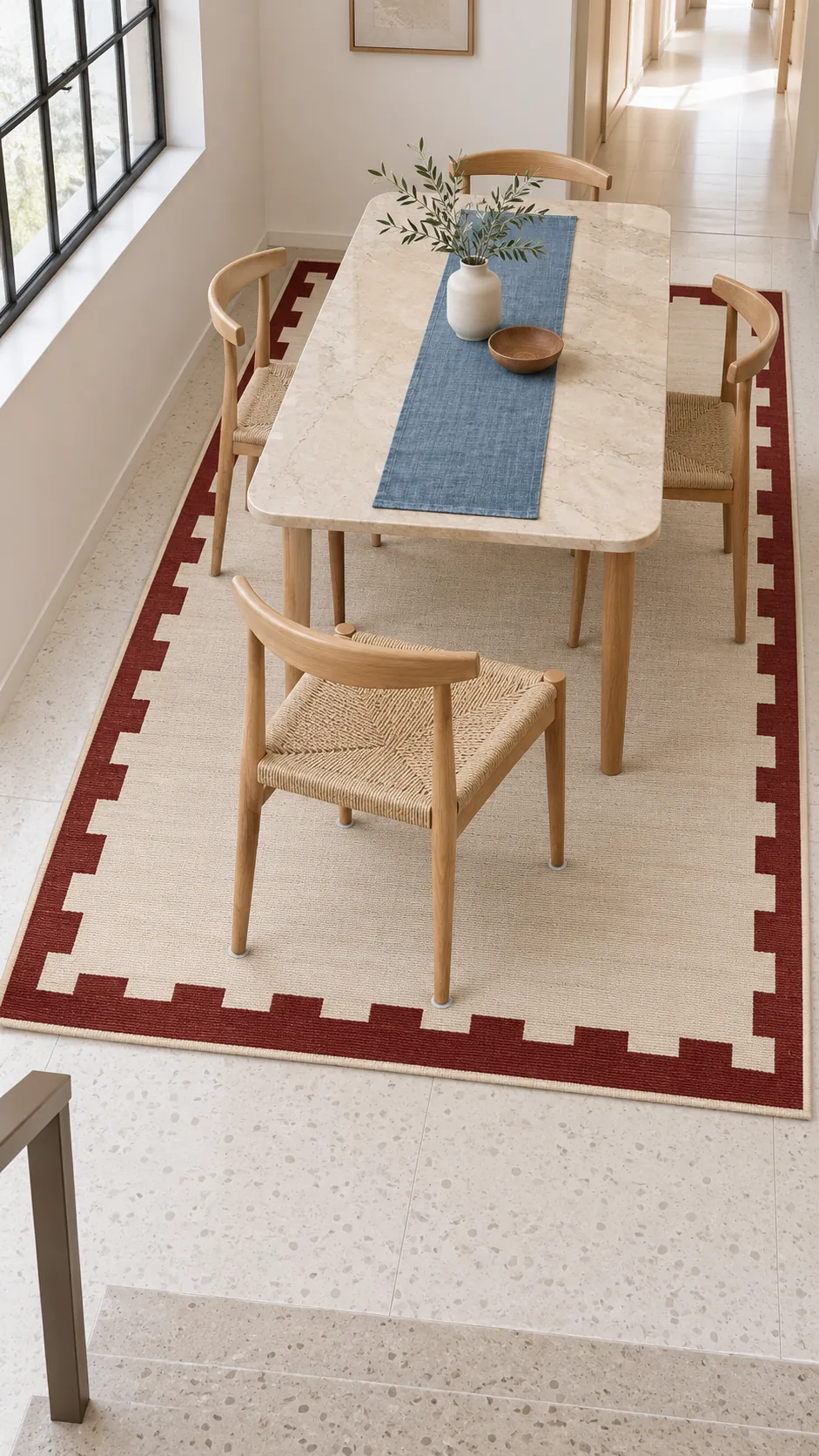
Use a patterned rug to set the furniture layout
A rug with a bold border gives a dining or sitting area a visible edge. Measure the space with chairs pulled out, so their feet stay on the rug through the full motion. A rug with a flat, firm weave is easier to move dining chairs over. Save the boldest part of the pattern for the exposed border.
Try warm plum with dusty pink
For a warm jewel palette, compare deep plum against a lower intensity pink. Use the lighter color on a larger surface so the darker piece keeps its outline. Hold fabric and paint samples together under your existing bulbs. Red undertones are easier to judge beside a familiar white.
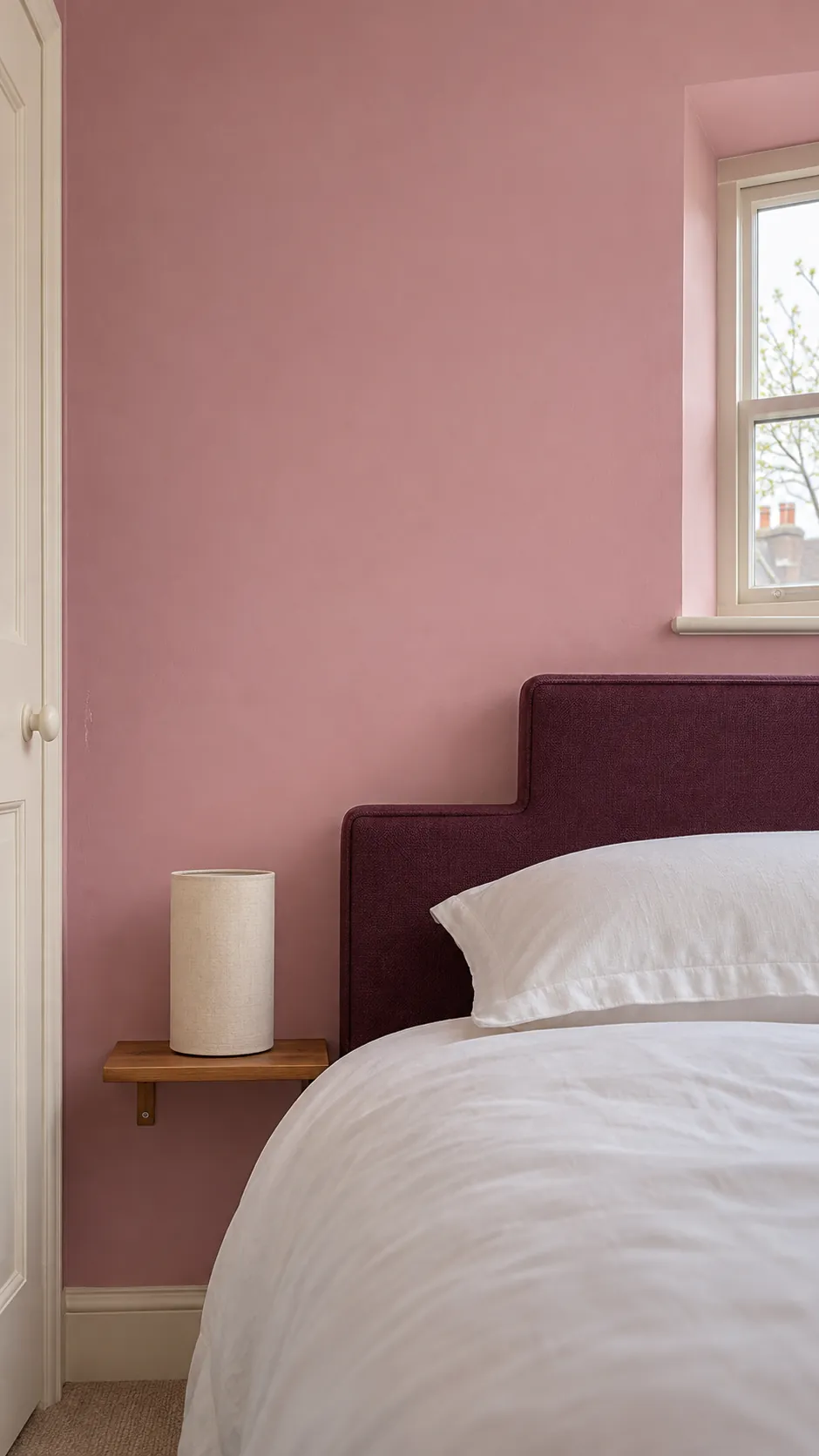
Bring in a lacquered piece you can care for
A lacquered cabinet gains much of its appeal from the way it reflects light. Put it where you can see a soft side reflection and reachable marks will be easy to wipe. Use a tray for keys and check the maker’s cleaning instructions before rubbing a stubborn mark.
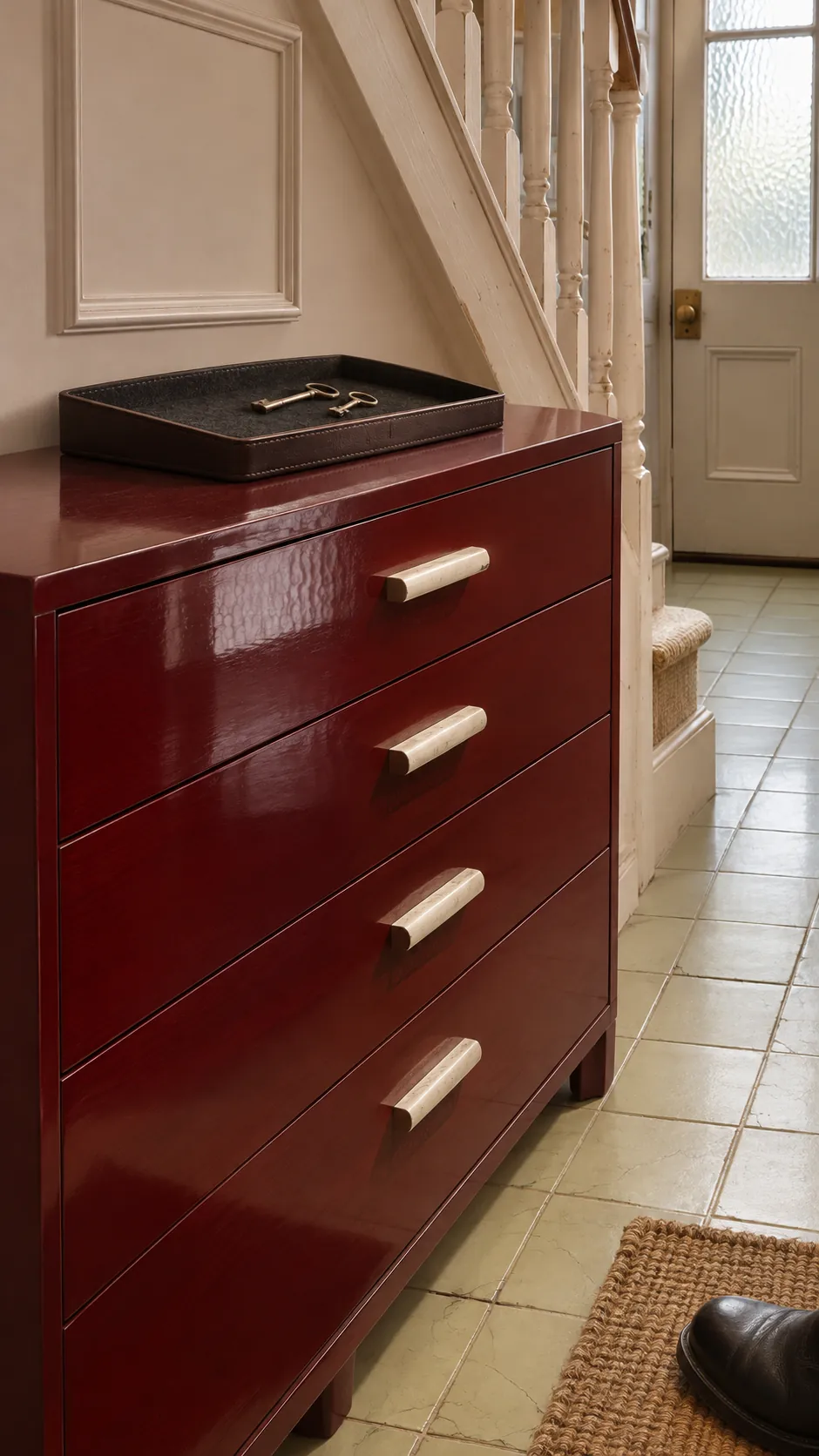
Let a curved chair sit beside straight furniture
A rounded chair can soften a room with a straight desk, shelf and window line. Leave a small gap behind it so you can see the curved silhouette as you walk in. Check that the arm height works with any table you plan to use beside it.
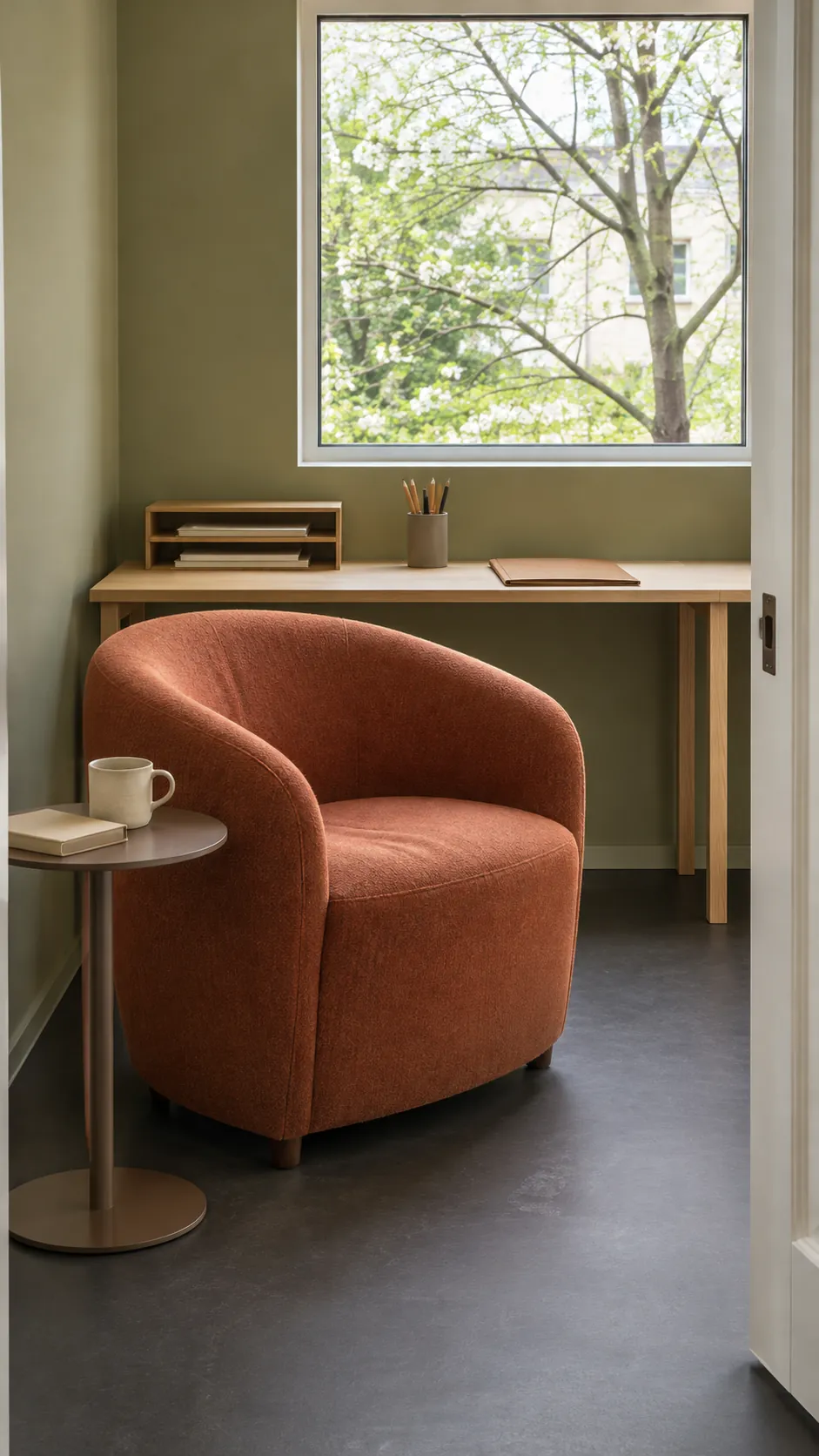
Use fluting on a surface you see at an angle
Ridges show more depth when light reaches them from the side. Place a fluted cabinet front where you can see it on your way into the room, or try a removable screen near a window. Wide shallow grooves are easier to dust than tightly spaced grooves.
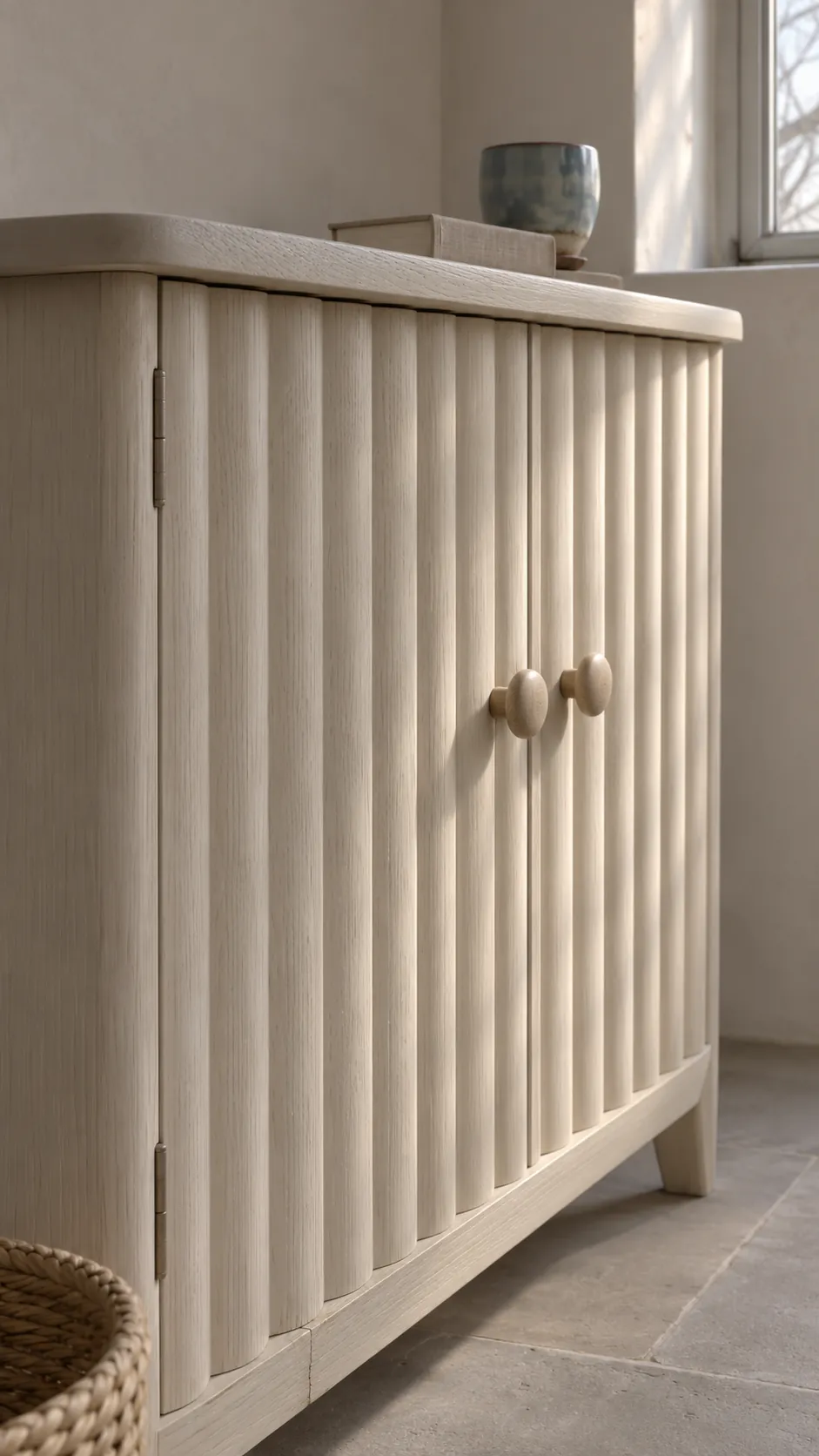
Combine brass and chrome with a neutral finish
Give one metal a repeated role, such as brass around fixtures and handles. Use chrome on a separate object where its cooler shine makes sense, perhaps a shelf frame near daylight. A dark painted surface between the two helps both metals stay distinct.
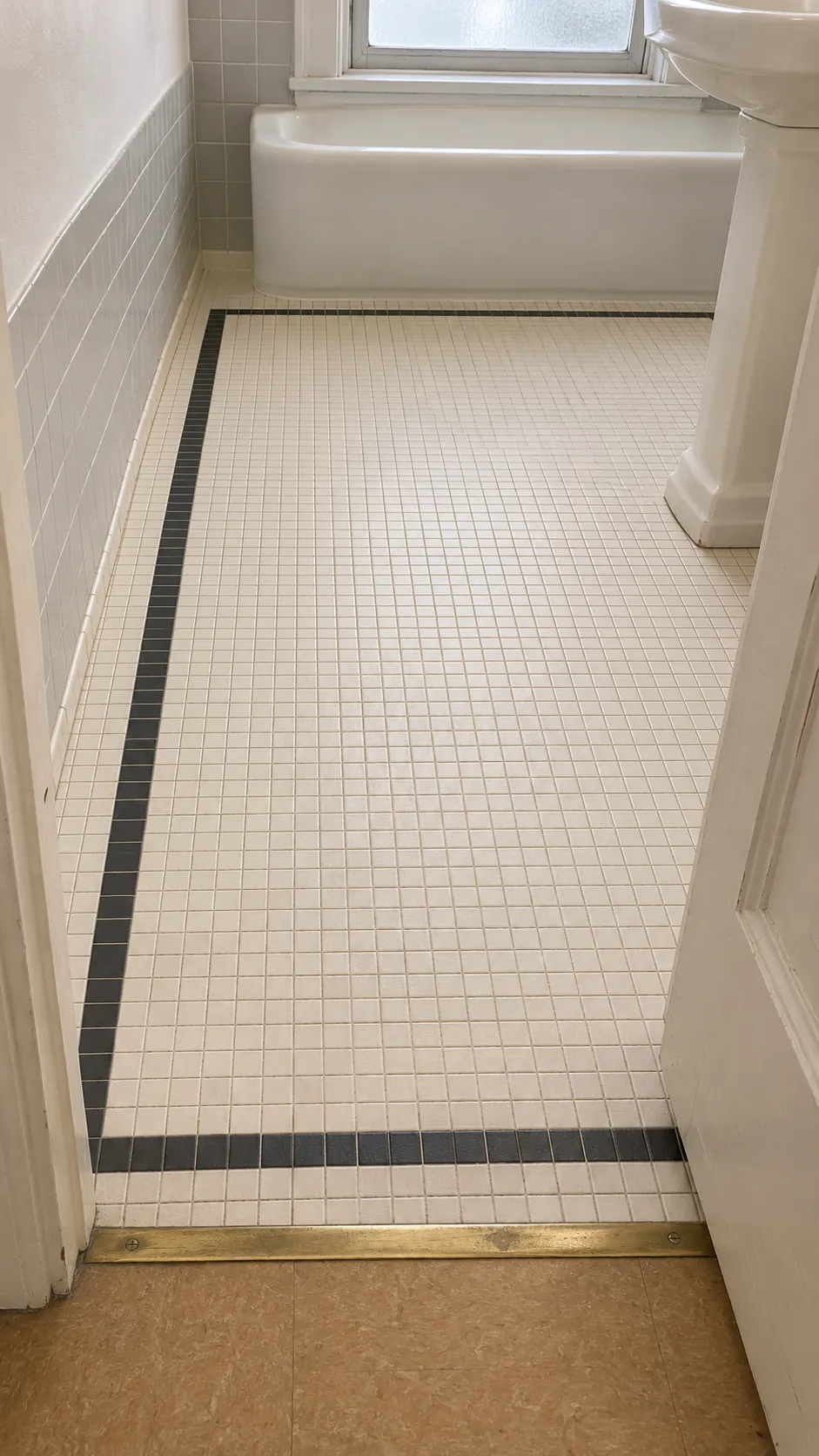
Give the bathroom a black and ivory border
A narrow black border around a field of ivory tile adds graphic structure without covering the whole room in pattern. Plan the border from the floor edges and check where it meets the threshold. Compare slip resistance and cleaning needs for the tile you will use underfoot.
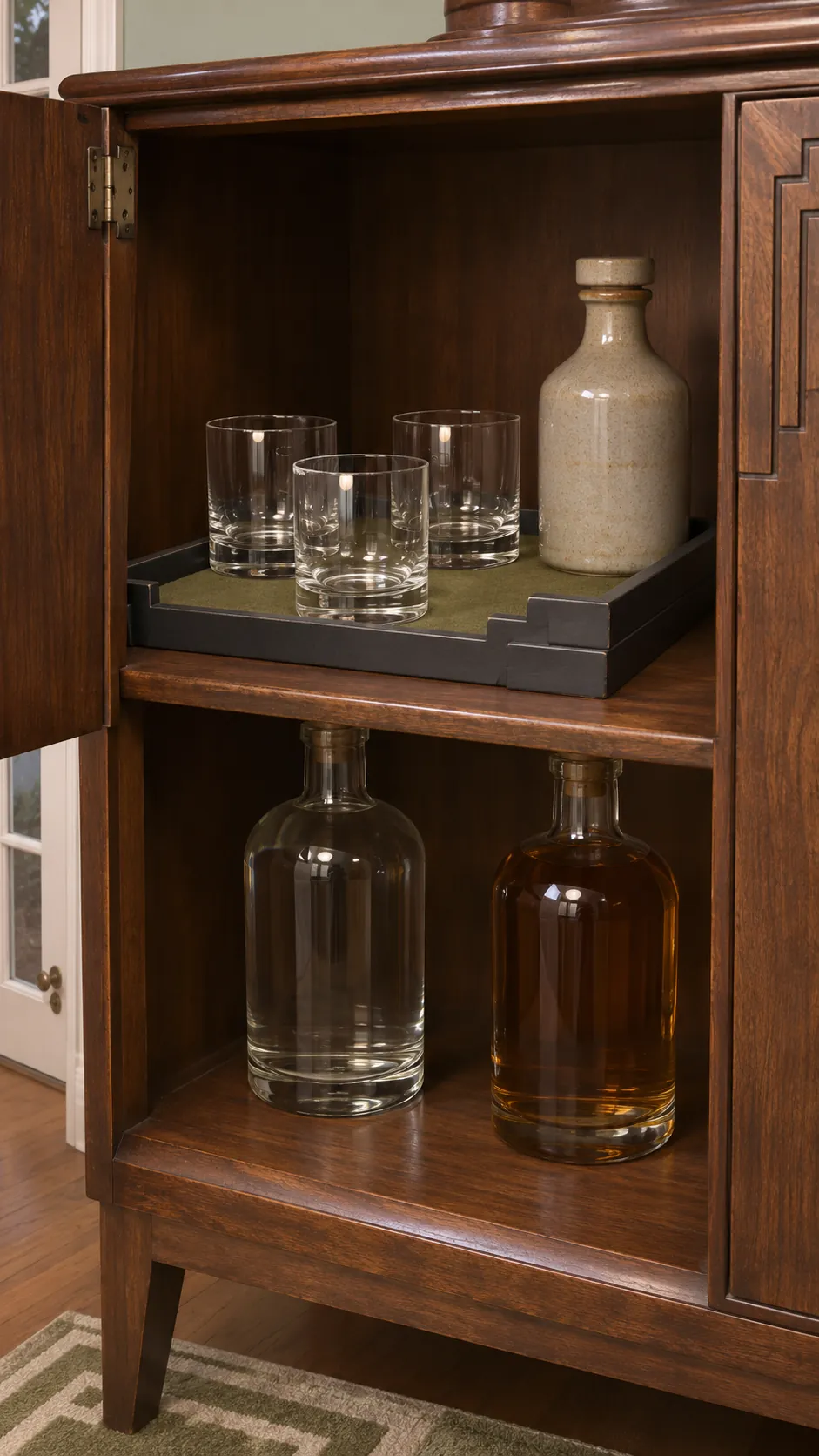
Use a geometric tray to organize a bar cabinet
A stepped or octagonal tray can set apart a few glasses within a cabinet you already own. Choose one with a flat surface deep enough for the glass bases. Store the heavy bottles below the tray so they are easy to lift and replace.
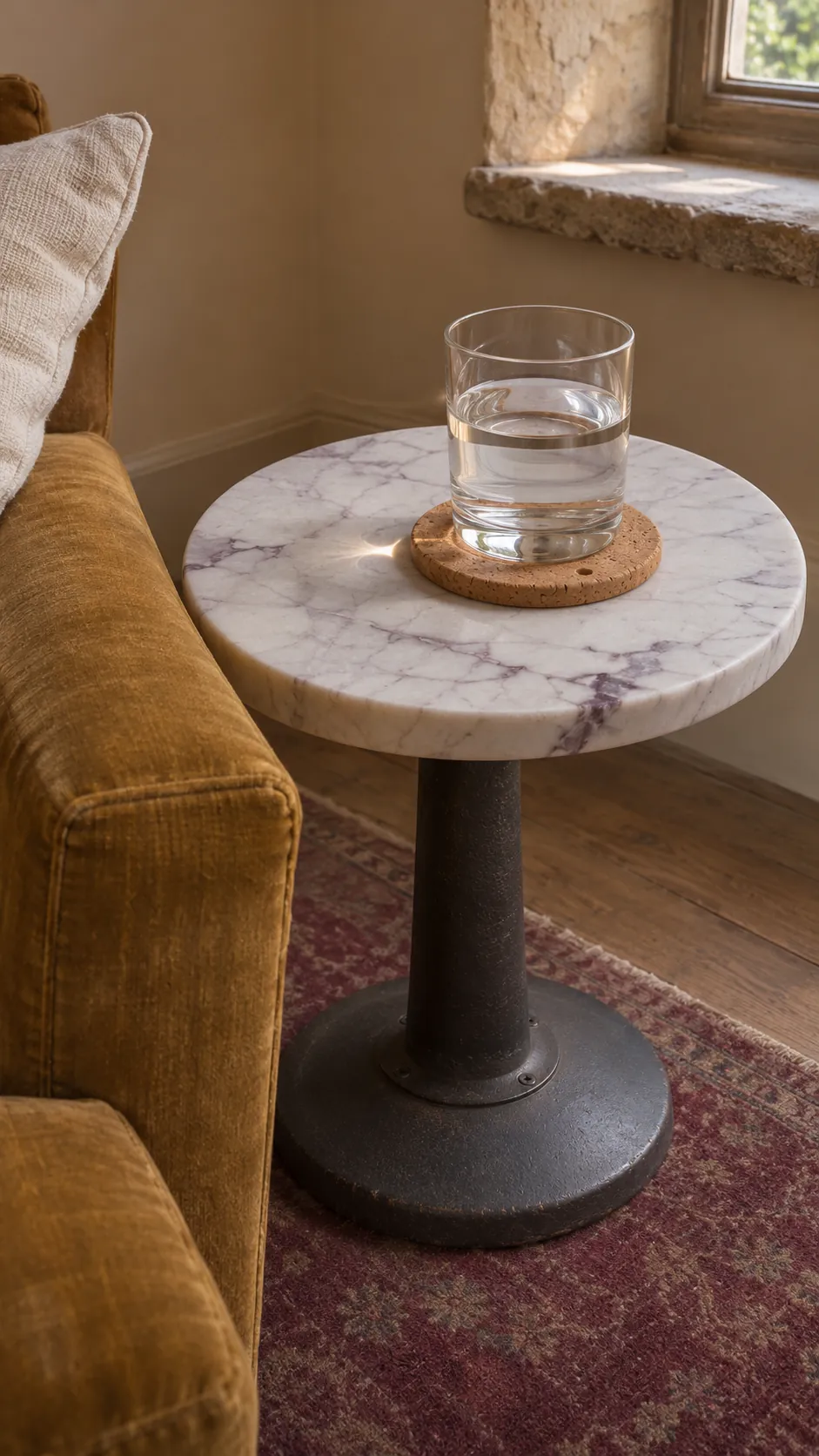
Place a small marble top at an easy reach
A marble end table can carry the heavy visual detail a simple armchair needs. Choose a wide, stable base and a top that leaves elbow room beside the chair. Use coasters for drinks and wipe up acidic spills promptly, following the care guidance for your stone.
Save a bold print for a quiet wall
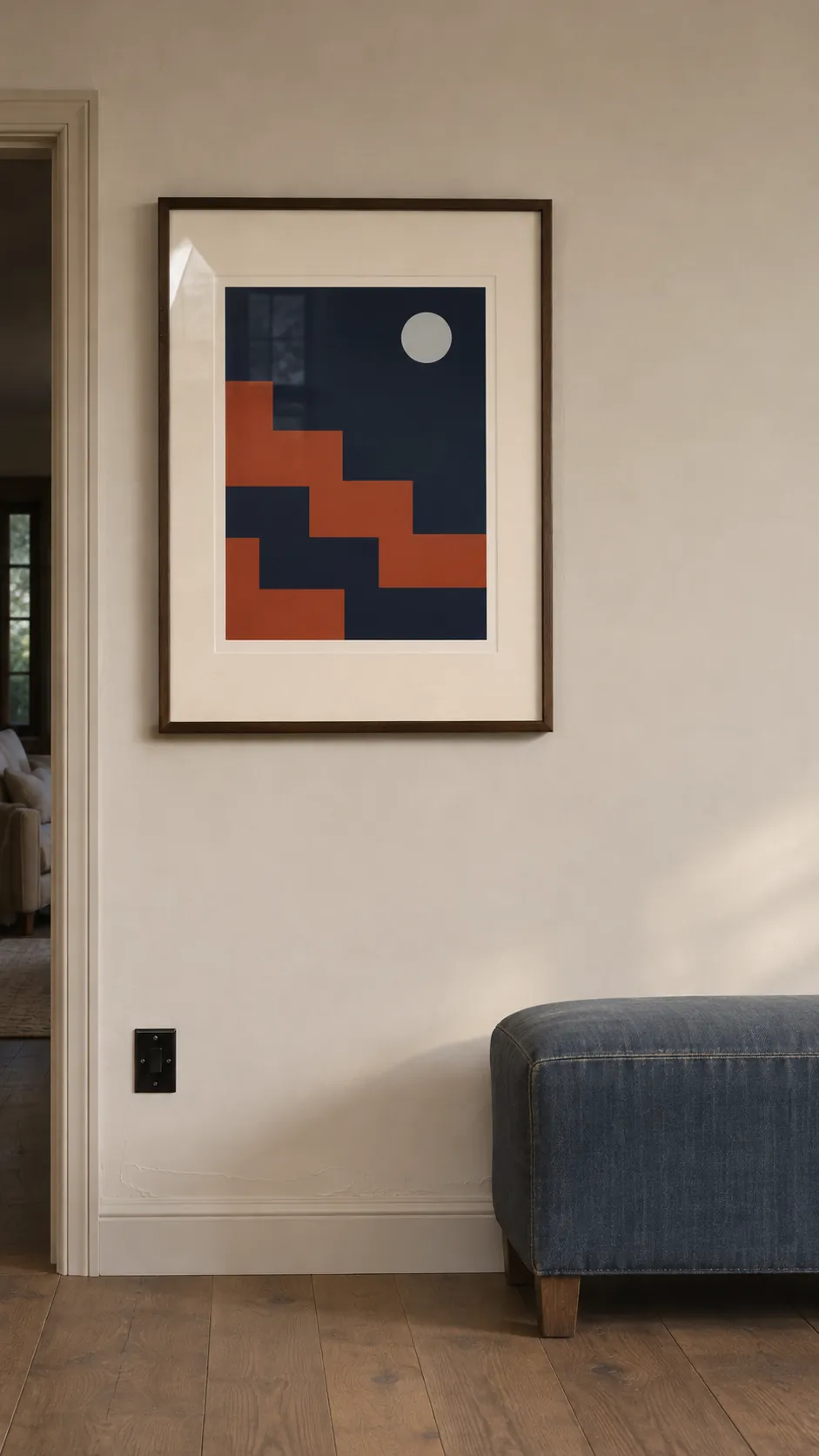
A single print with stepped bands or overlapping circles can carry a busy motif on a plain wall. Try a generous mat so the outer edge is easy to read. If the room already has patterned wallpaper, hang the print in an adjoining space where it can stand on its own.
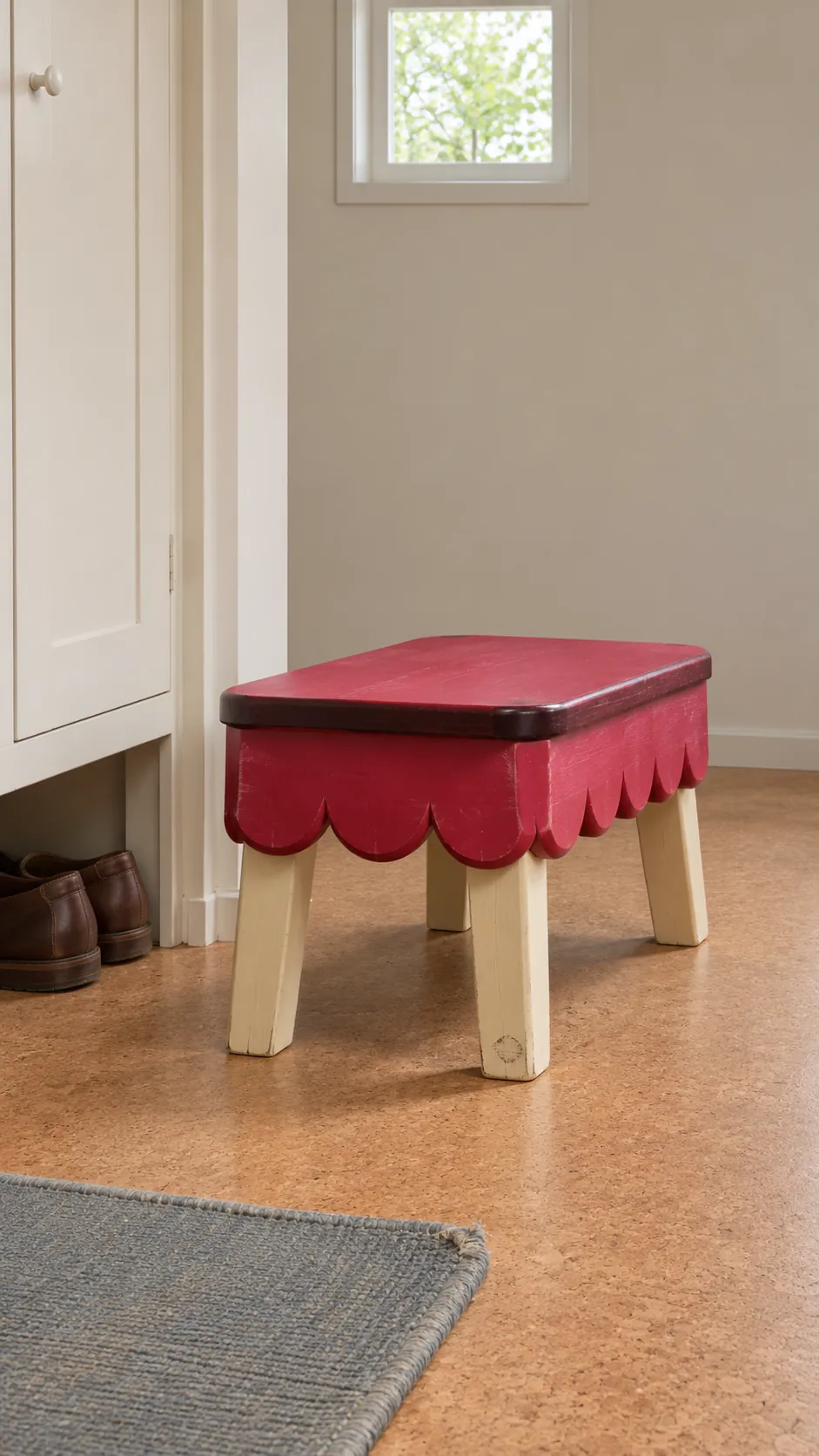
Try scalloped edges on a small piece
A scalloped stool or bench adds a curved edge in a place where a new sofa would be too big a commitment. Choose a piece you can use at an entry or dressing table. Check whether shoes, a chair leg, or a cabinet door would catch on the projecting edge.
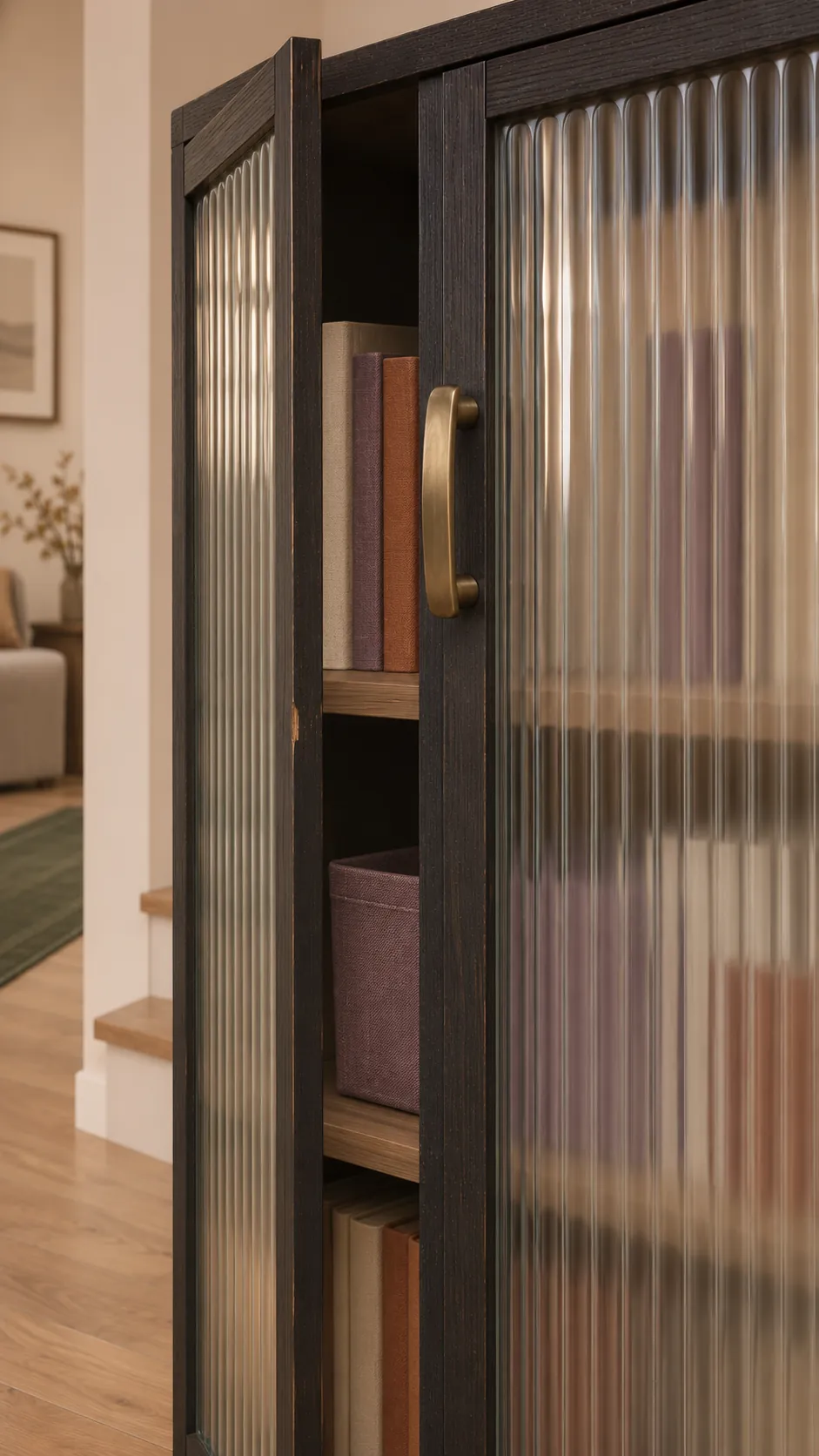
Give ribbed glass a job in a bookcase
A ribbed glass cabinet door breaks up the outline of shelves while still admitting light. Use it to screen books or supplies where you want a quieter backdrop. Store the items you need most at the front so you can find them without relying on what shows through the glass.
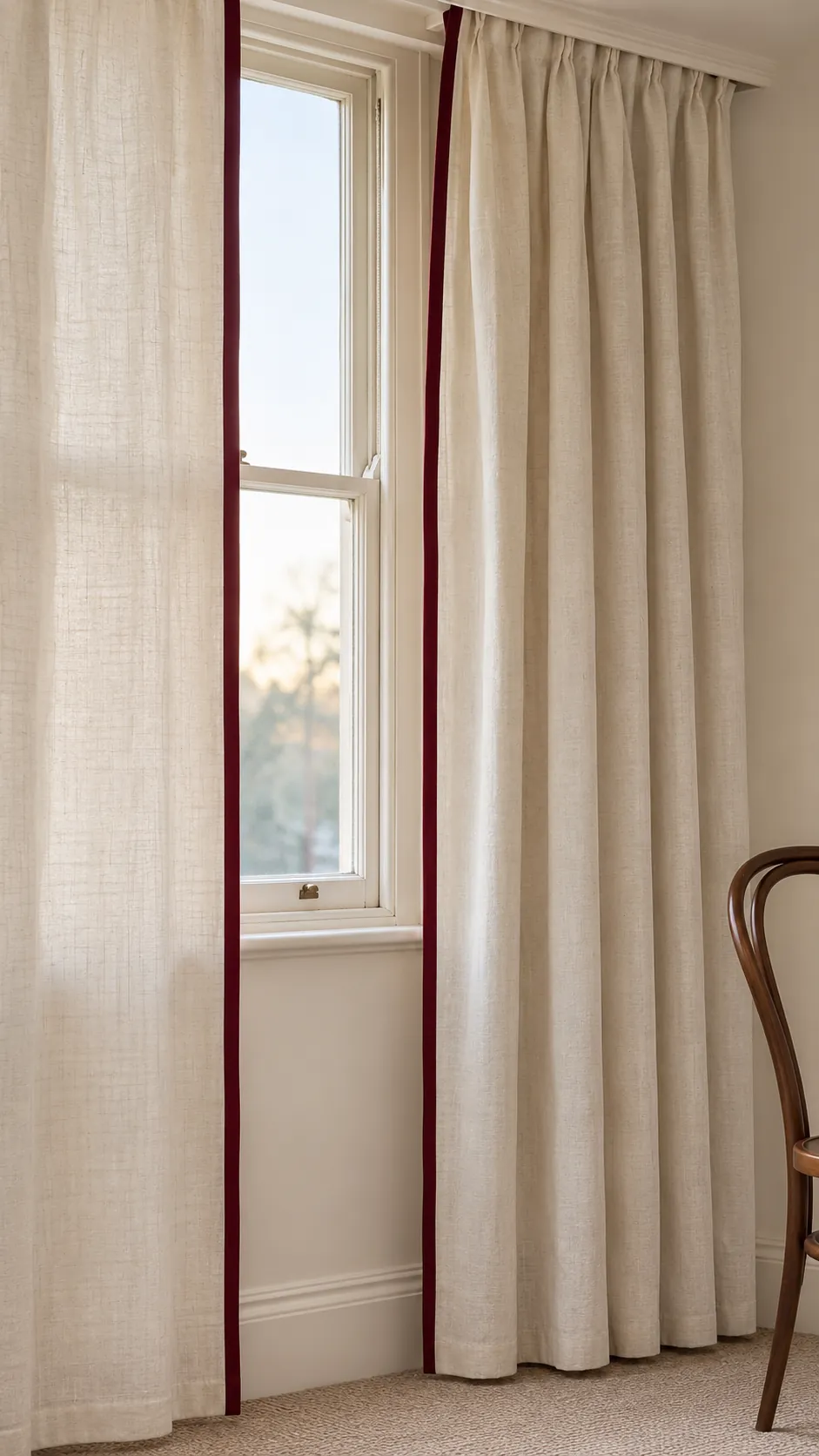
Use a dark stripe to dress the curtains
A narrow fabric stripe can echo a strong line in an otherwise plain room. Put it along the curtain’s inner edge so the stripe frames the open window. Test the curtain fullness in the drawn and gathered positions before choosing how wide the stripe should be.
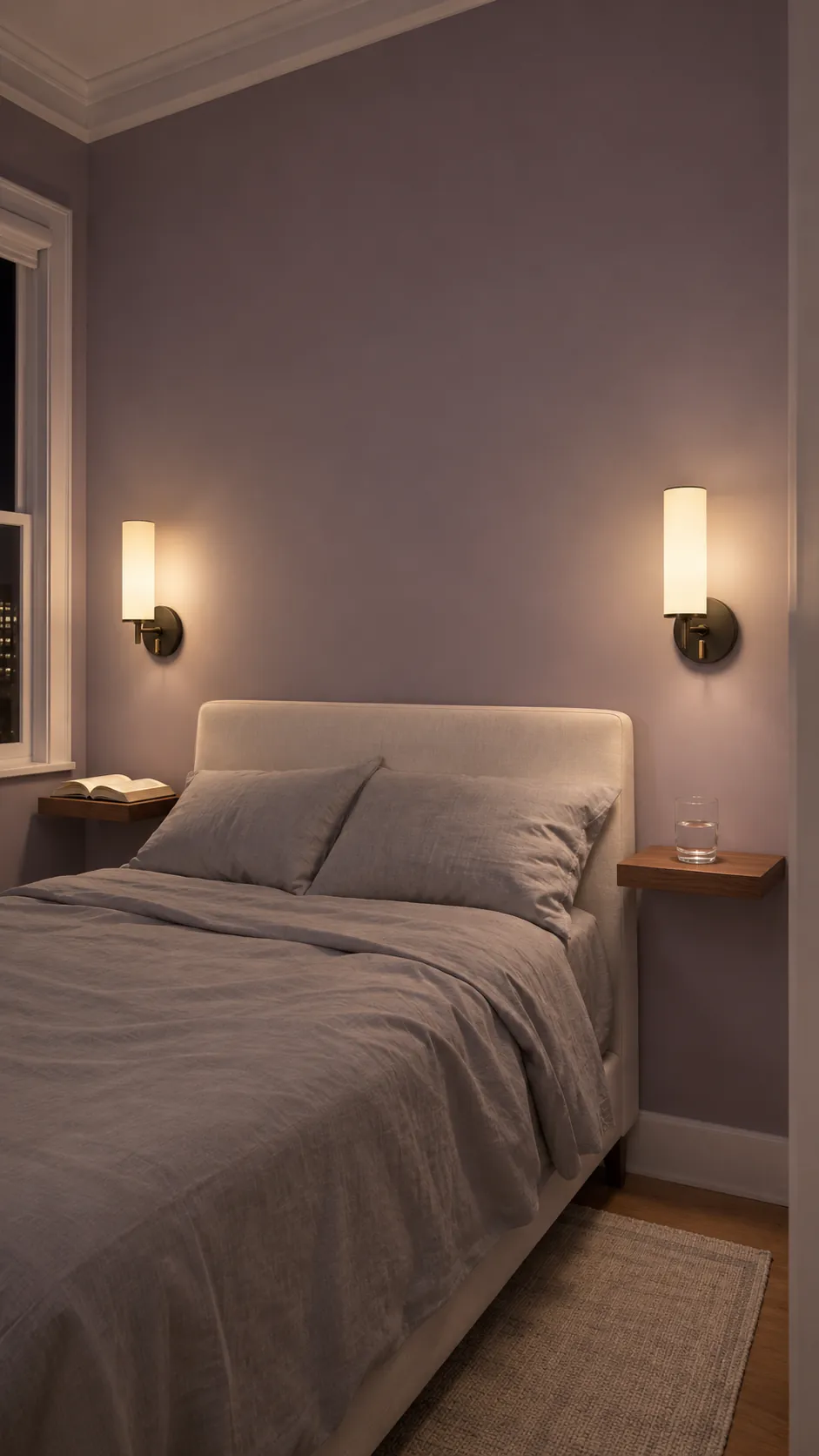
Set two sconces around a shared task
Paired sconces can give both sides of a bedroom or mirror equal light. Set their height by testing with the shade held near its intended spot, since a light that works while standing can glare from the bed. Measure from fixed room features before mounting so both sides line up.
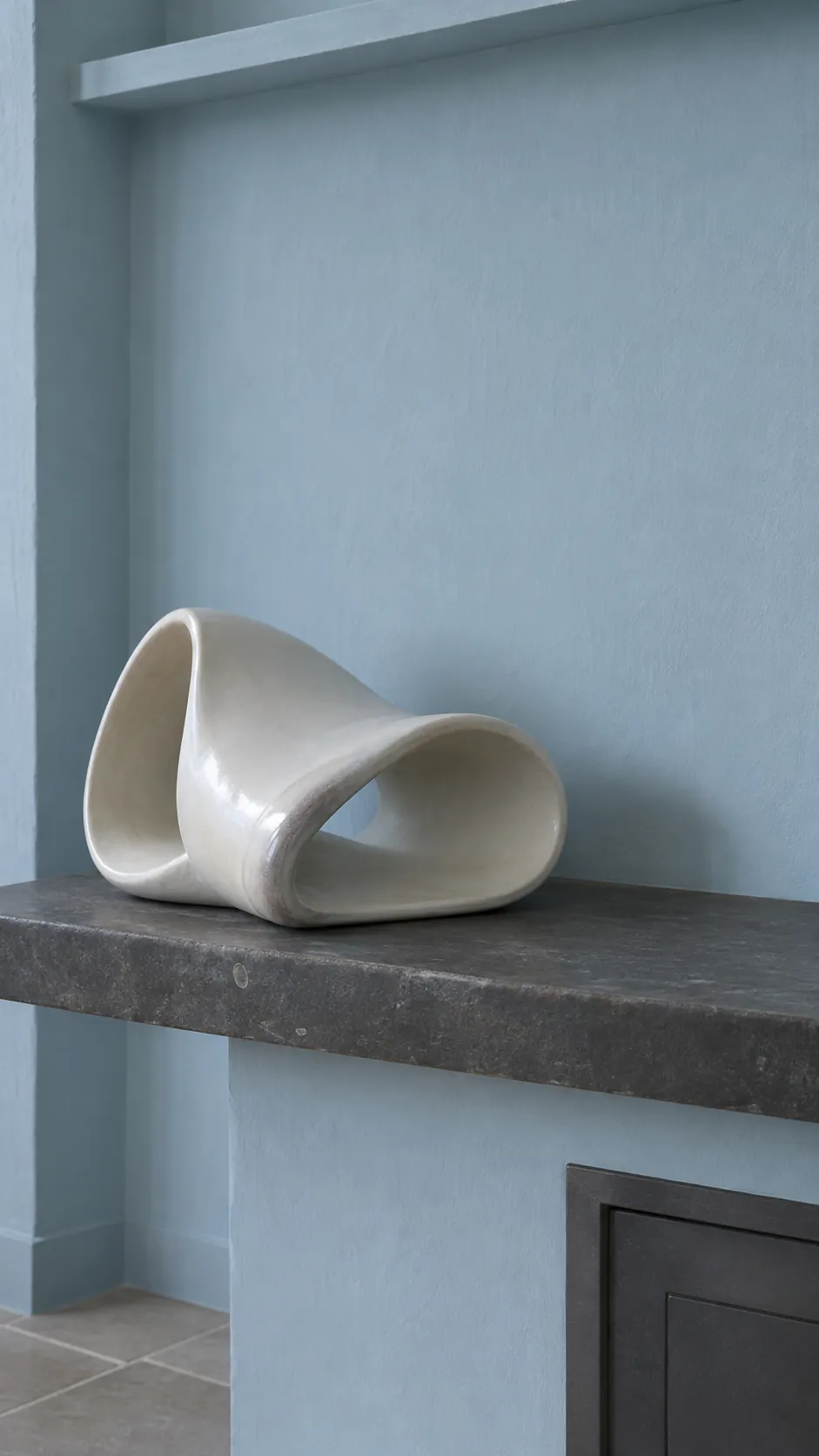
Pick one sculptural object for the mantel
A folded ceramic form or a small fan shaped vase can add a strong silhouette to a plain mantel. Set it off center where sidelight makes its edge easy to see. If you use the fireplace, check the manufacturer’s clearance guidance before placing anything on or near the mantel.
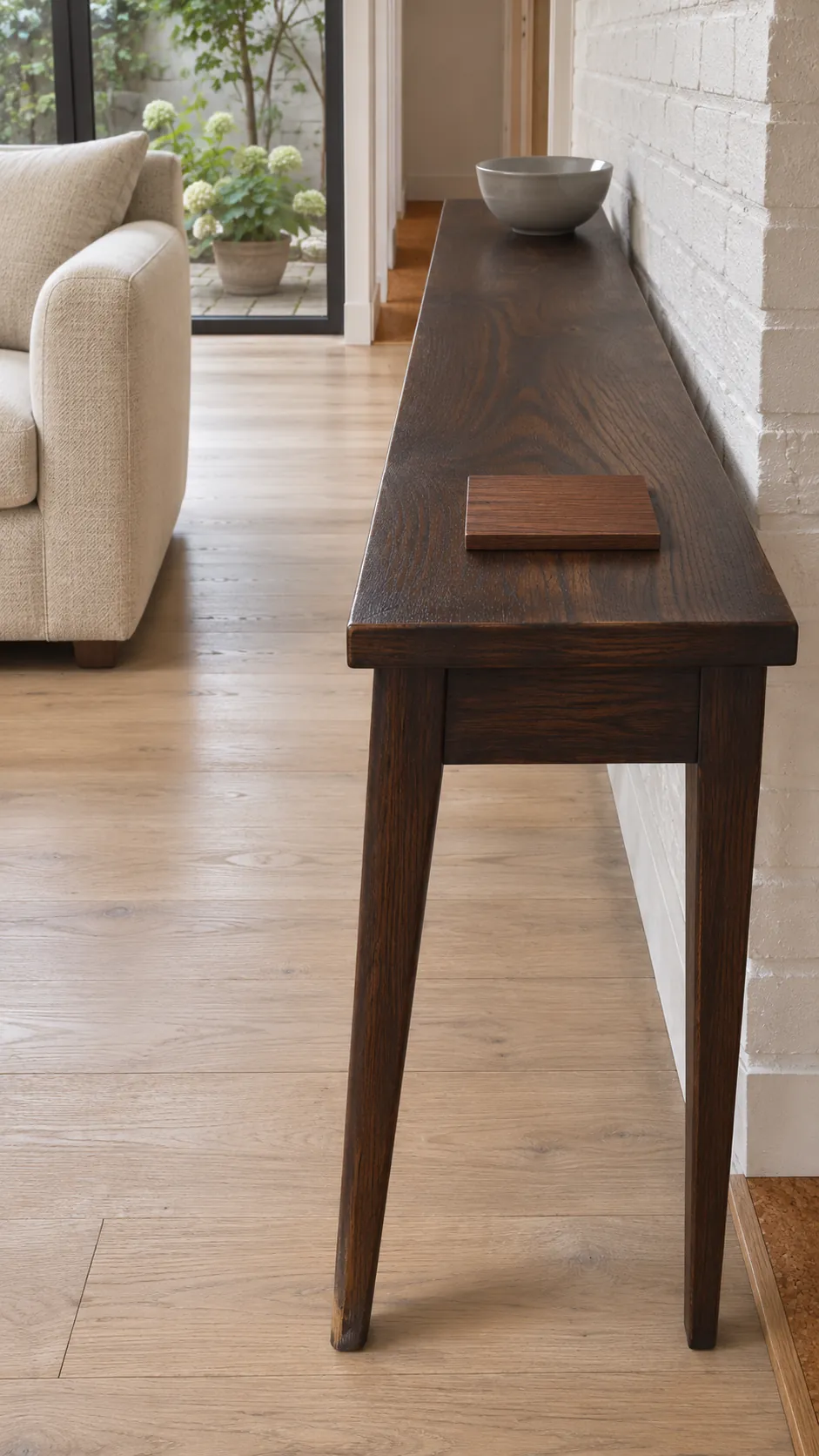
Use dark stained wood to ground pale upholstery
An espresso stained console or table can give pale upholstery a clear lower edge. Leave some light flooring visible between the pieces so the wood reads as a separate object. Compare a finish sample with the floor before buying. Brown stain with a little warmth is often easier to pair with creamy fabric than a near black finish.
End with a deliberate gap
Stand at the doorway and choose the corner where your eye stops first. Clear the nearby second focal point for a day and see whether the room becomes easier to take in. Give the empty surface a practical role, such as a useful stretch of counter or the place where a chair can move.