
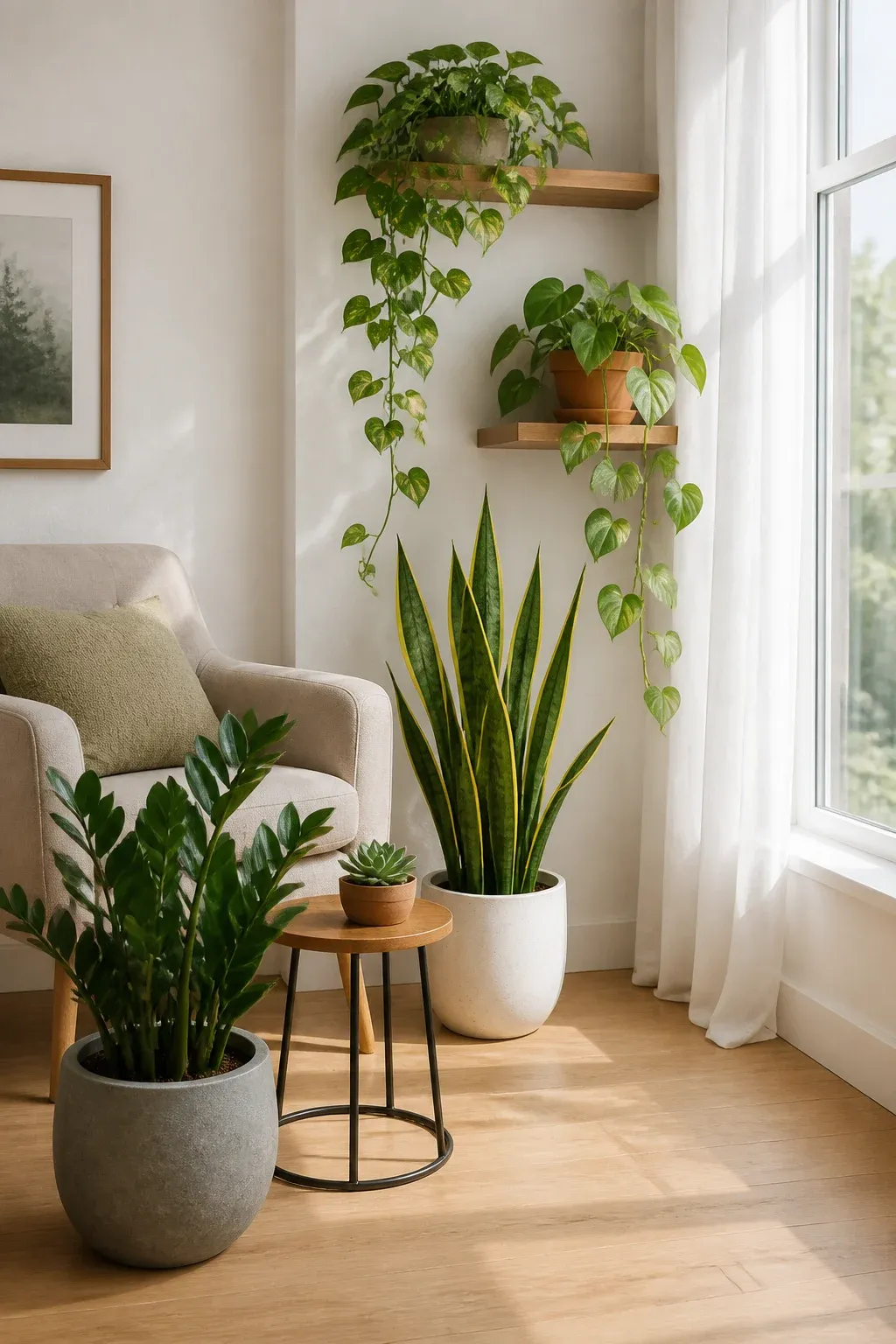
Stepping into a home filled with natural elements can change your mood instantly. It is not just about aesthetics; it is about creating a living space that breathes and feels connected to the outside world. Many people feel stuck with cold, sterile rooms, but adding subtle greenery and organic textures can soften those edges and make a house feel like a home.
This guide explores how to integrate nature into your interior design without making it look like an overgrown jungle. We will look at choosing the right plants for your lighting, using materials like bamboo and wood for warmth, and keeping your layout simple so the natural beauty can shine through.
Choosing Plants That Match Your Indoor Light
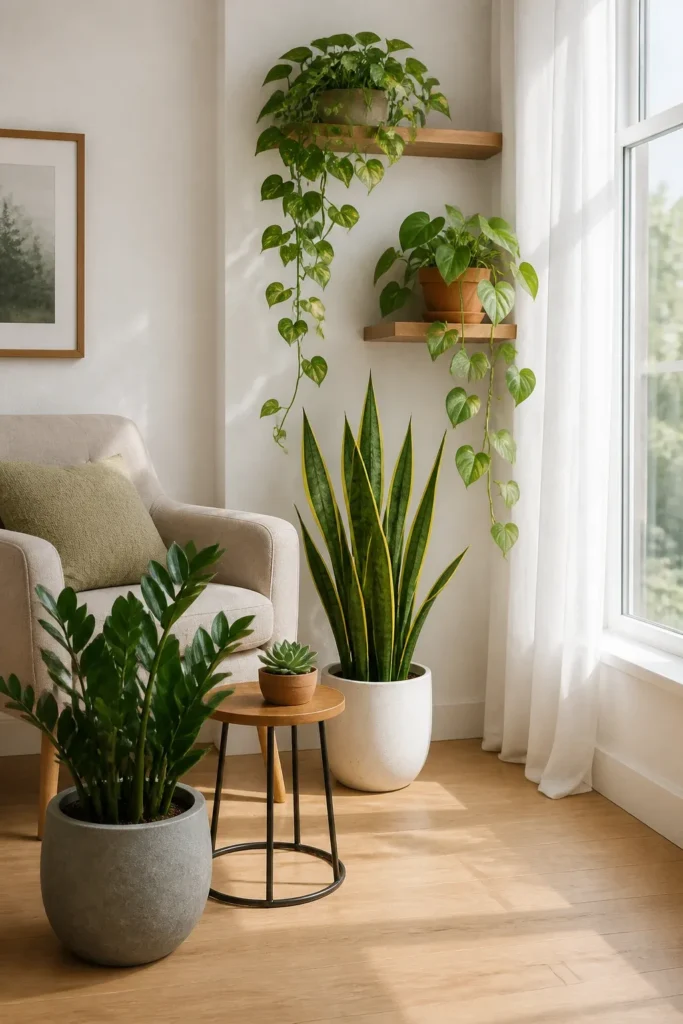
The biggest mistake people make is buying a plant because it looks good in the shop without checking if it can live in their home. Light is food for plants. If you have a dark corner, a fiddle leaf fig will likely struggle and drop its leaves. Instead, look for low-light survivors like snake plants or ZZ plants. These are hardy and do not mind a bit of neglect.
If you have bright, indirect light near a window, you have more options. Pothos and heartleaf philodendrons are great for beginners because they grow quickly and trail beautifully over shelves. For rooms with harsh, direct sun, succulents or cacti are your best bet. Always observe where the sun hits your room at different times of the day before you go shopping.
Using Natural Wood and Bamboo for Warmth
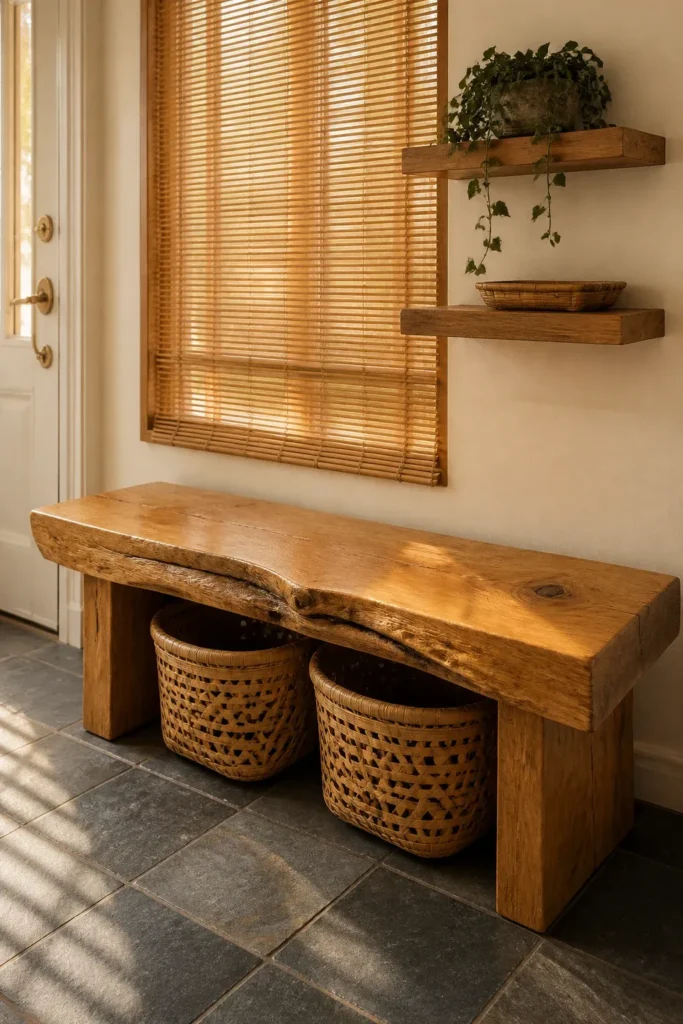
Wood and bamboo bring an organic texture that plastic or metal just cannot replicate. Bamboo is particularly useful because it grows fast and is very durable. You can use bamboo blinds to filter light or small bamboo trays to organize your coffee table. It adds a light, airy feeling that works well in modern or traditional spaces.
Reclaimed wood is another way to add character. A simple wooden bench in the entryway or a set of floating oak shelves can ground a room. These materials have natural imperfections like knots and grain patterns that tell a story. They help bridge the gap between the structured indoors and the wild outdoors.
Selecting Earthy Textiles and Organic Fibers
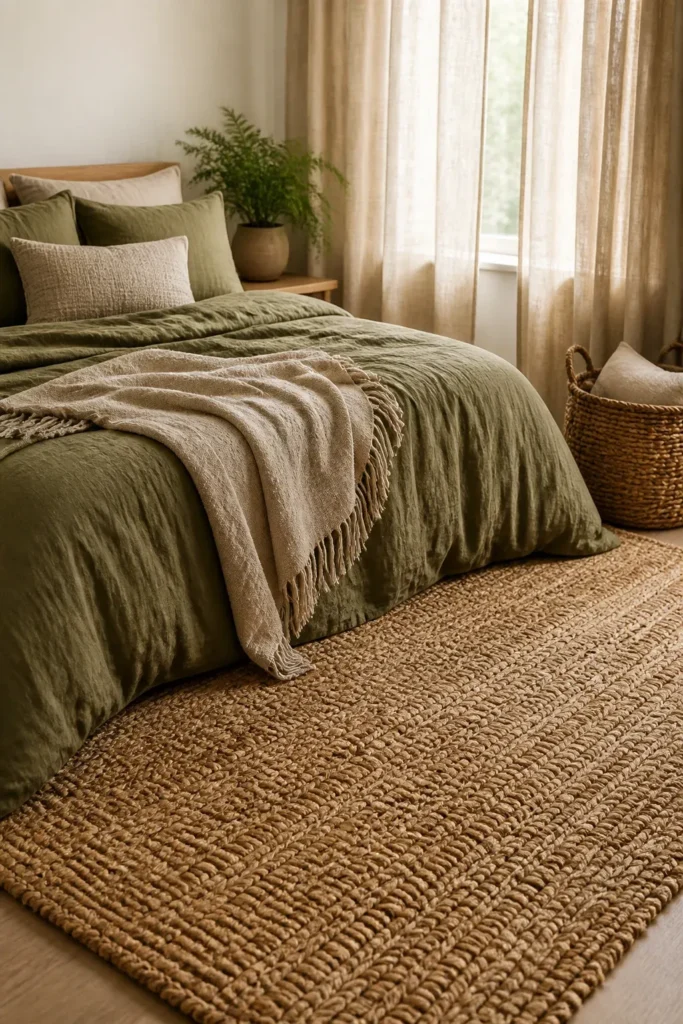
The fabrics you choose play a huge role in how a room feels. Synthetic materials often feel static and cold. To bring nature inside, look for textiles made from linen, cotton, or jute. A jute rug provides a coarse, earthy texture underfoot that immediately makes a room feel more grounded.
Linen curtains are another excellent choice because they allow soft light to filter through while still offering privacy. Stick to a palette of moss greens, sandy beiges, and soft browns. These colors mimic the forest floor and the coast, making your indoor environment feel more cohesive and calm.
Creating Focal Points with Stone and Clay
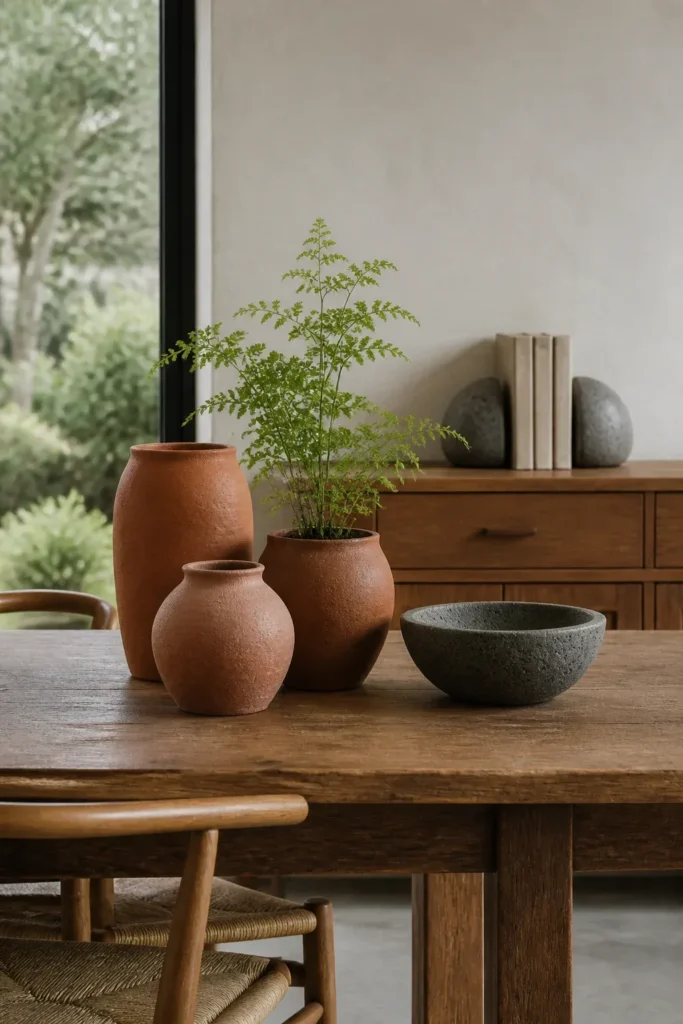
Stone and clay provide a sense of weight and permanence. You do not need a massive stone fireplace to achieve this. Small touches like a terracotta pot for your favorite fern or a stone bowl on the dining table can make a big difference. Clay has a porous, matte finish that feels much more natural than shiny, glazed ceramics.
Try grouping a few clay pots of different heights together. This creates a visual anchor in the room. If you find a smooth river stone or a piece of interesting rock while out for a walk, bring it home. Using these found objects as bookends or paperweights adds a personal and literal connection to the earth.
Maximizing Natural Light to Brighten the Space
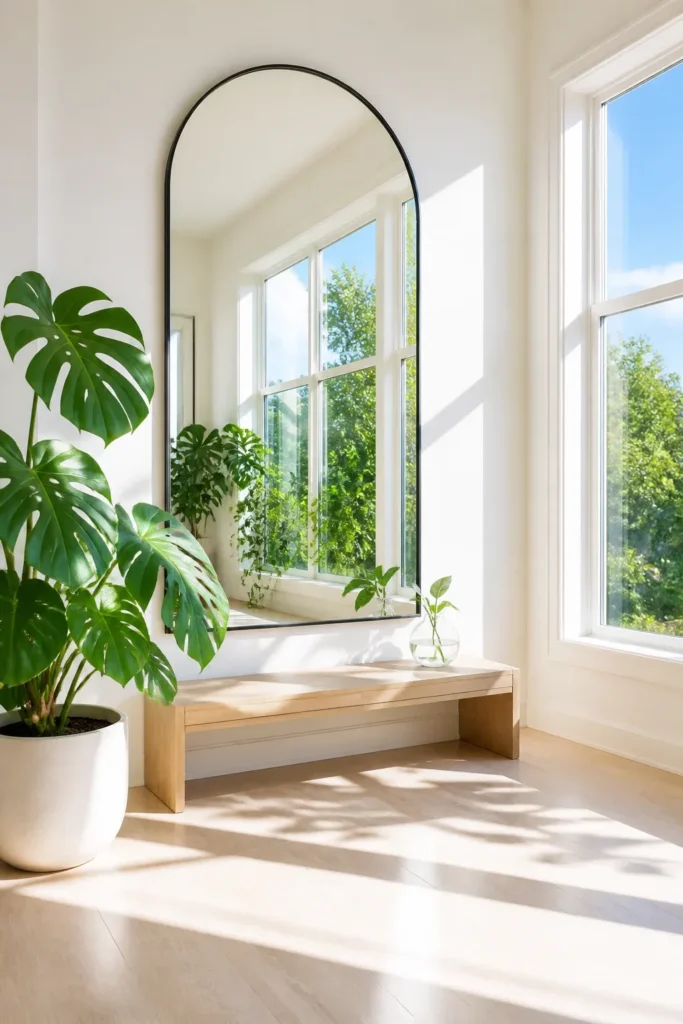
No amount of greenery can fix a room that feels like a cave. Natural light is essential for your plants to thrive and for your own well-being. Start by cleaning your windows; it is a simple task that noticeably increases the amount of light coming in. Avoid heavy, dark drapes that block the sun even when they are open.
If a room is naturally dark, use mirrors strategically. Placing a mirror opposite a window will bounce light back into the room and make the space feel larger. Keep the areas around your windows clear of tall furniture so the light can reach deeper into the house.
Maintaining a Balanced and Uncluttered Layout
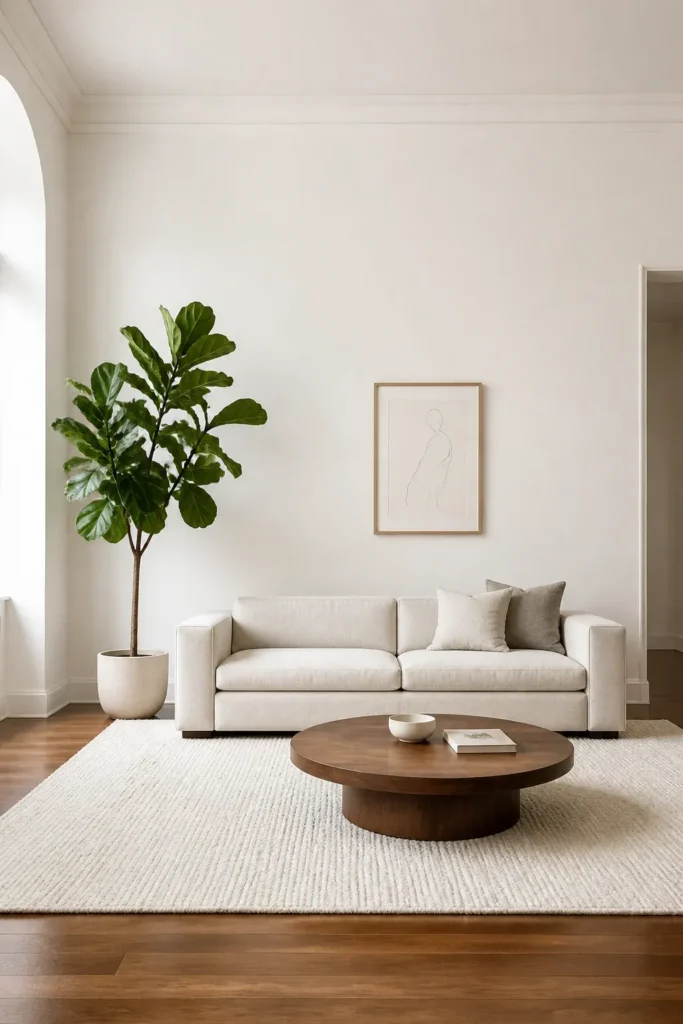
Bringing nature indoors works best when the room has space to breathe. If you crowd every surface with plants and wooden trinkets, the effect becomes chaotic rather than peaceful. Choose a few high-quality pieces rather than many cheap ones.
Give your plants some room so their silhouettes are visible against the wall. Think about the 'negative space'—the empty areas around your furniture. A clean, uncluttered layout allows the natural textures and colors to stand out. It makes the room feel more like a sanctuary and less like a storage unit.
Creating a nature-inspired home is a slow process of adding pieces that truly resonate with you. Start by bringing in one or two plants that fit your light levels and see how they change the feel of the room. As you become more comfortable, look for ways to replace synthetic items with wood, bamboo, or stone. Take a look around your favorite room today and identify one spot where a touch of greenery could make a difference.