
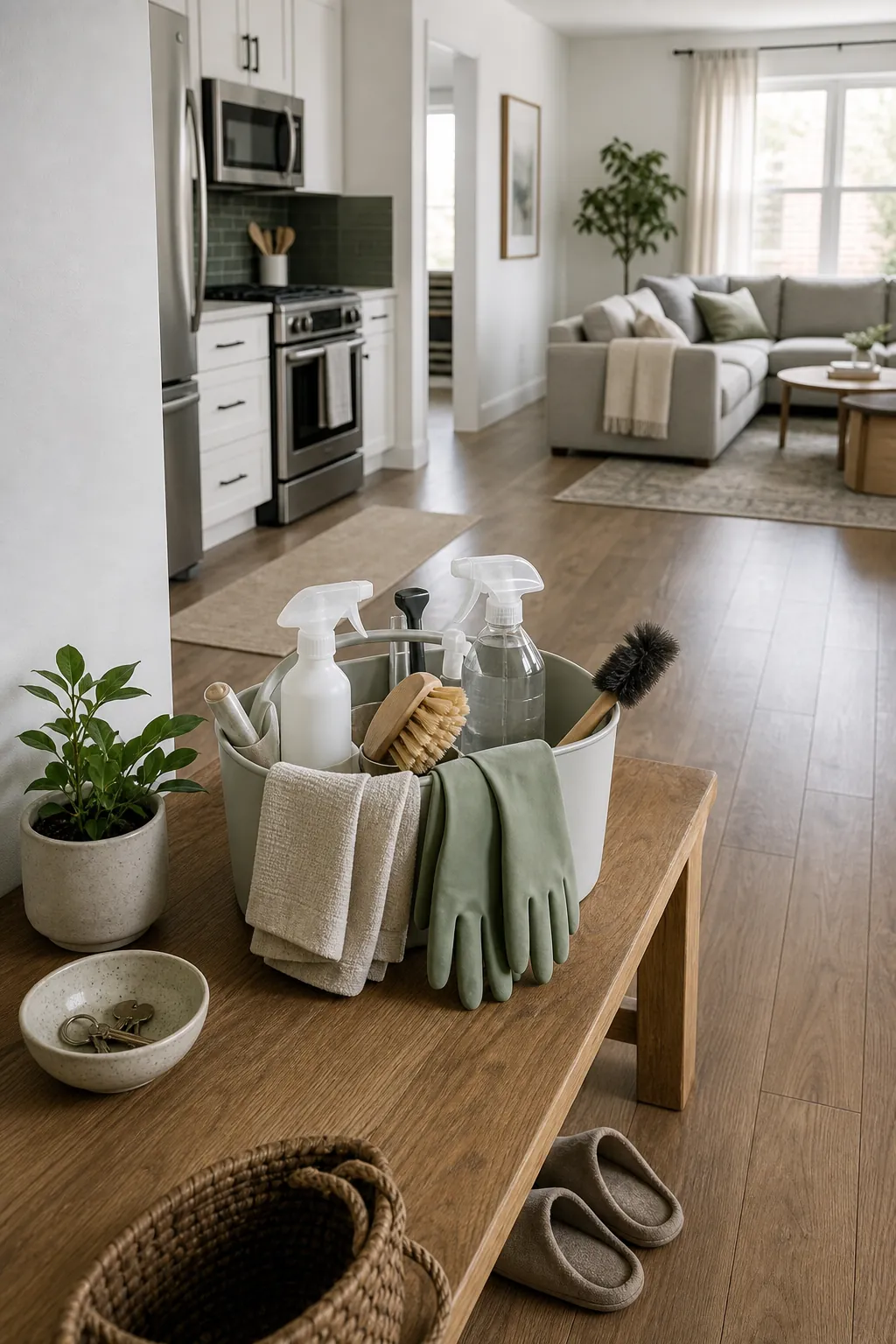
A deep clean can stall before the first cloth gets wet. You notice the dusty fan, the greasy cabinet doors, the shower film, and the mystery pile by the stairs all at once. The problem is not laziness. It is that every surface seems to demand a different decision.
The best deep cleaning hacks reduce those decisions. They put the work in an order that prevents backtracking, give cleaners time to work, and focus your effort on the places that change how the whole home feels. You do not need a cart full of gadgets or a punishing all-day marathon. You need a route.
Start by removing decisions, not dirt
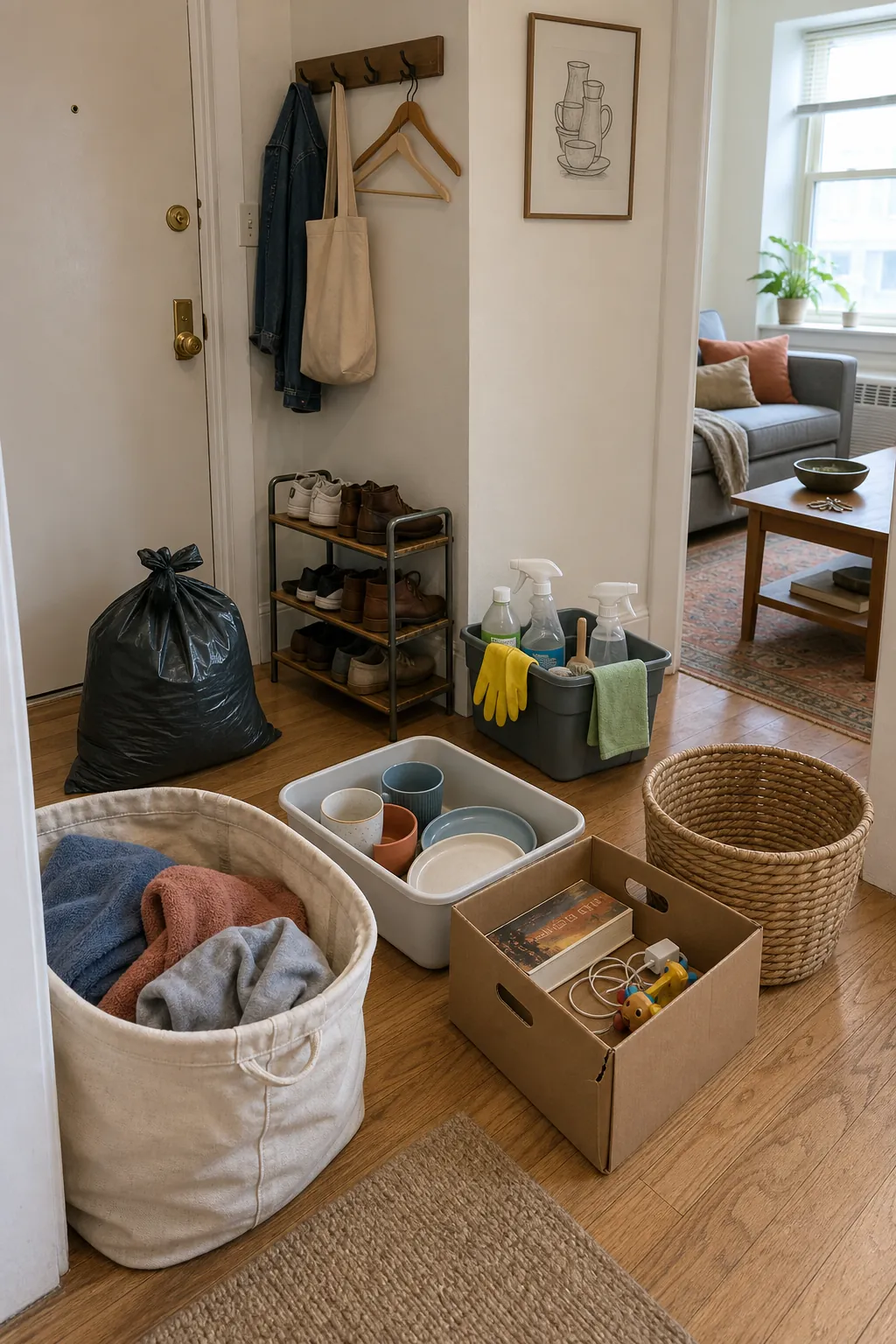
Cleaning around clutter turns every wipe into a negotiation. Begin with five simple destinations: trash, dishes, laundry, items that already have a home, and items that need a decision later. Carry one trash bag, one laundry basket, and one “decide later” bin through the room. Do not stop to reorganize a drawer or reminisce over a stack of papers.
This is the most useful form of declutter help when you are overwhelmed: separate resetting the room from cleaning it. The “decide later” bin is not permanent storage. Put a time on your calendar to empty it, but let it protect today’s momentum. Once floors and surfaces are visible, the room becomes a series of physical tasks instead of a cloud of choices.
Build a top-to-bottom route
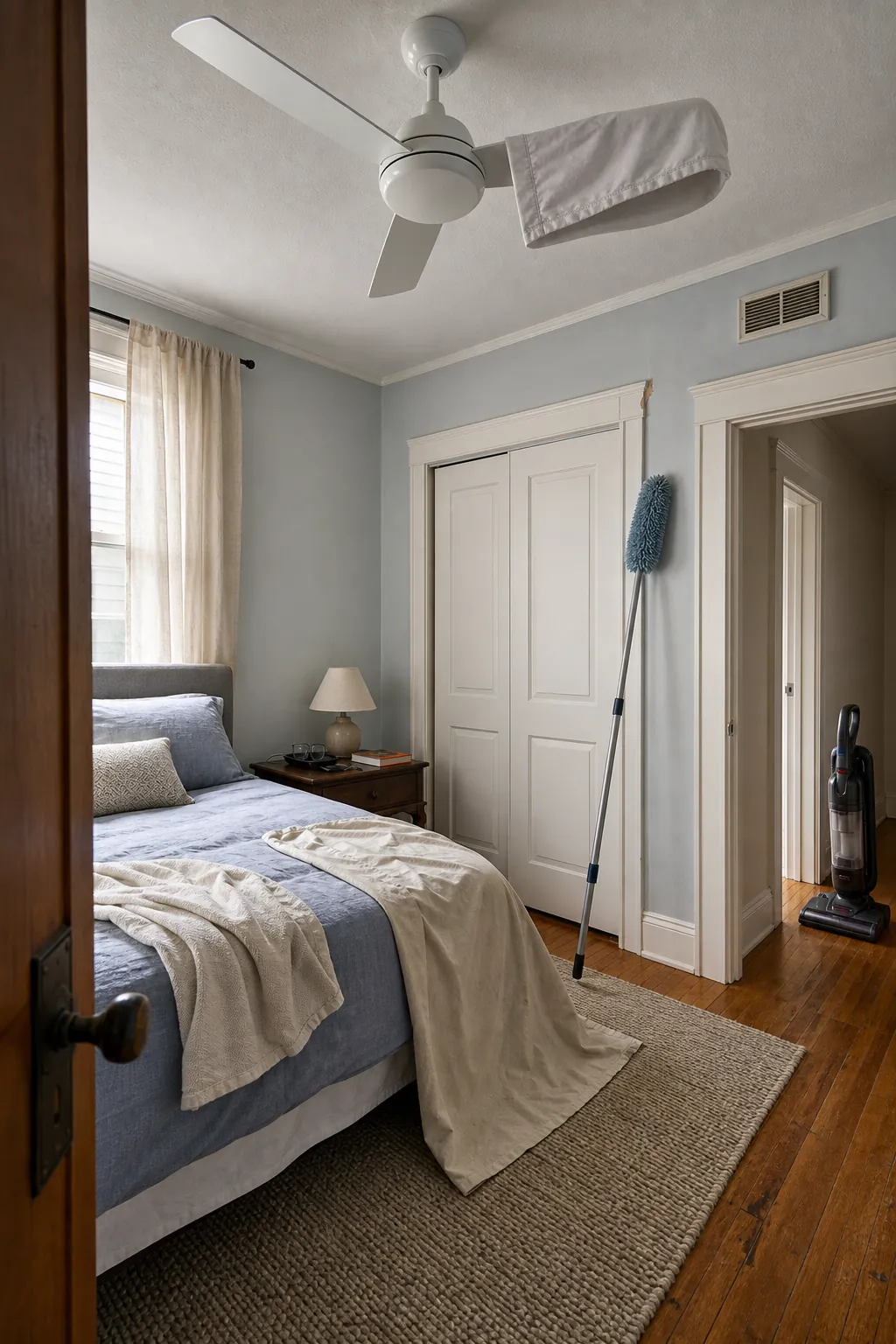
Gravity is the reason a reliable deep-cleaning route starts high. Dust ceiling fans, light fixtures, vents, curtain rods, door tops, and upper shelves before touching lower furniture or floors. Move around each room in one direction so you can see where you stopped. Then wipe mid-level surfaces, tackle trim and baseboards, vacuum, and mop last.
Use a slightly damp microfiber cloth for ordinary dust so you capture it instead of launching it into the air. Slip an old pillowcase over a fan blade and draw it back slowly to contain loose dust. For walls and painted trim, test a hidden spot first and use the mildest method that works. Top first and floors last is a tiny rule that eliminates a surprising amount of repeat work.
Let dwell time replace hard scrubbing
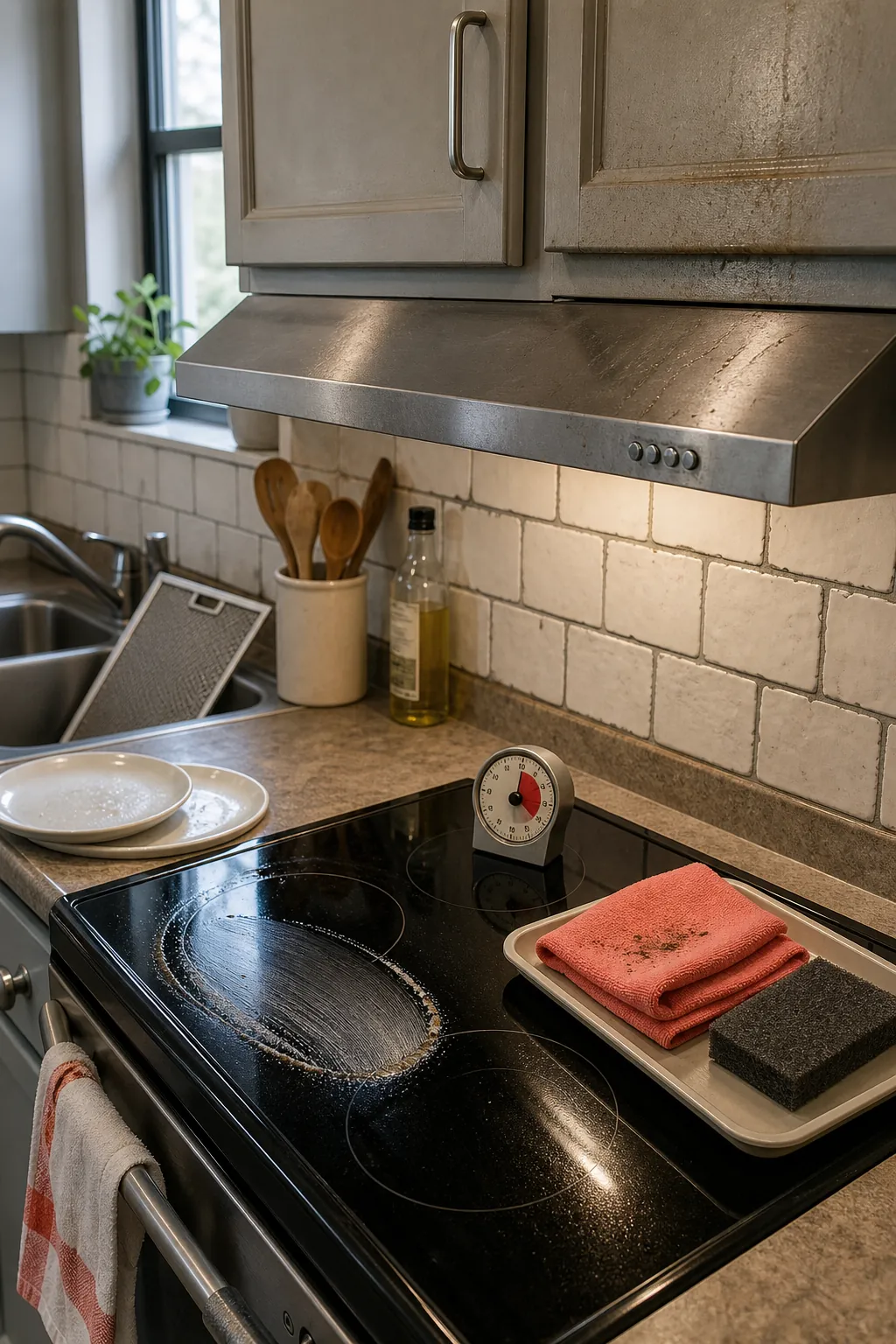
One of the smartest cleaning hacks, tips, and tricks is simply to wait. Apply a surface-appropriate cleaner, follow its label, and give it the stated dwell time before wiping. That pause loosens greasy soil and soap residue while you clean something nearby. On a stovetop, remove loose crumbs first, apply the approved cleaner to the cool surface, then work on the range-hood exterior while it sits.
Do not improvise a stronger chemical cocktail. The CDC says cleaning with soap and water removes most germs in ordinary situations, while disinfecting is generally most relevant when someone is sick or recently visited. It also warns never to mix bleach or disinfectants with other cleaners. Open windows or doors when labels call for ventilation, wear the recommended protection, and keep products in their original labeled containers.
Use the right tool for bathroom buildup
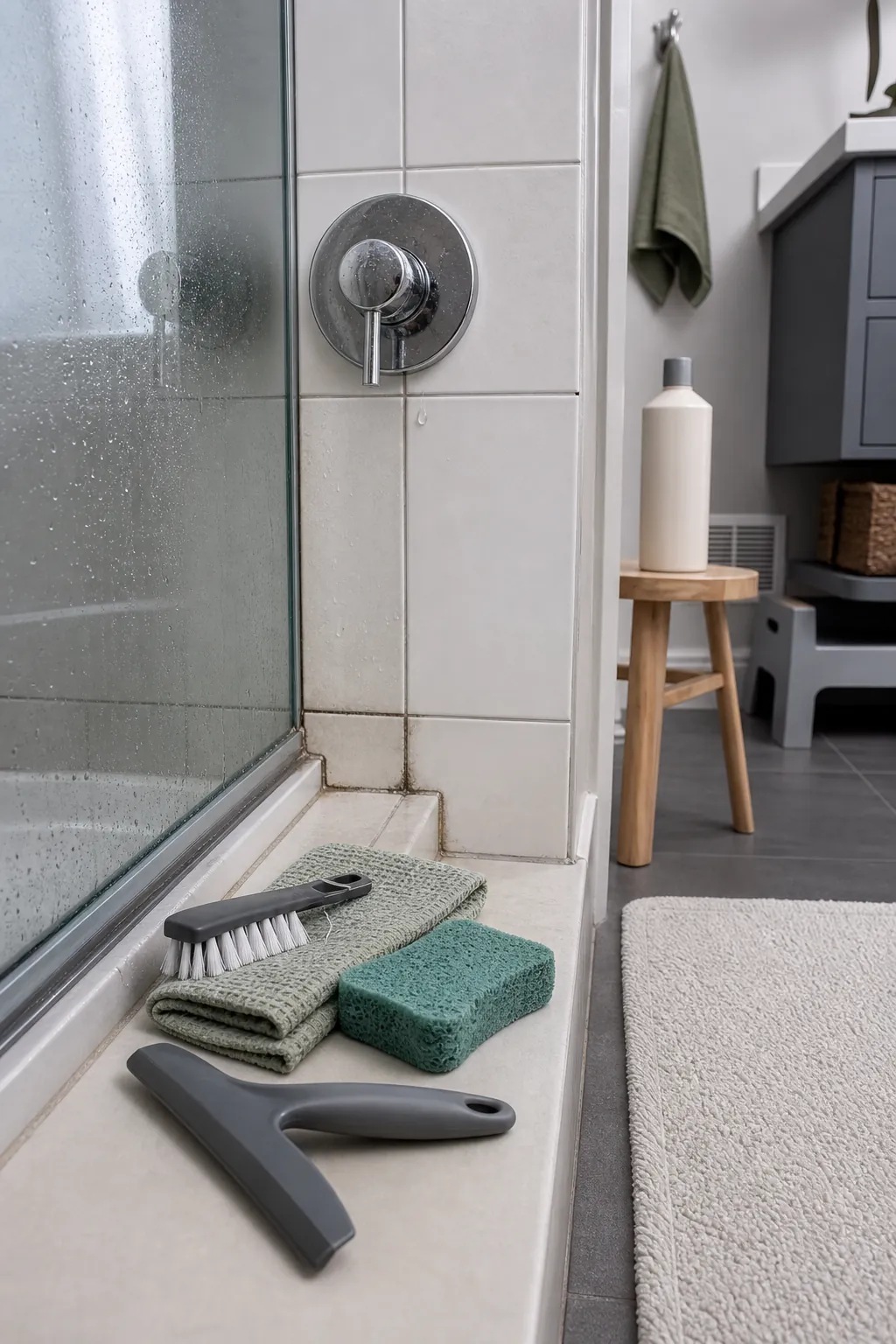
Bathrooms feel difficult because several kinds of soil overlap: loose hair, body oils, soap film, and mineral deposits. Remove dry debris first. Then match the product to both the soil and the surface. A cleaner that is suitable for glazed tile may be wrong for natural stone, specialty metal finishes, or some acrylic fixtures, so check manufacturer guidance and test an inconspicuous area.
For detail work, use a small nylon brush around faucet bases and grout intersections, a non-scratch pad where permitted, and a squeegee to remove the loosened residue. Rinse when the label requires it, then dry chrome and glass with a clean cloth. Drying is the finishing step: it reveals missed film and slows the return of visible water spots.
Clean the hidden parts that affect performance
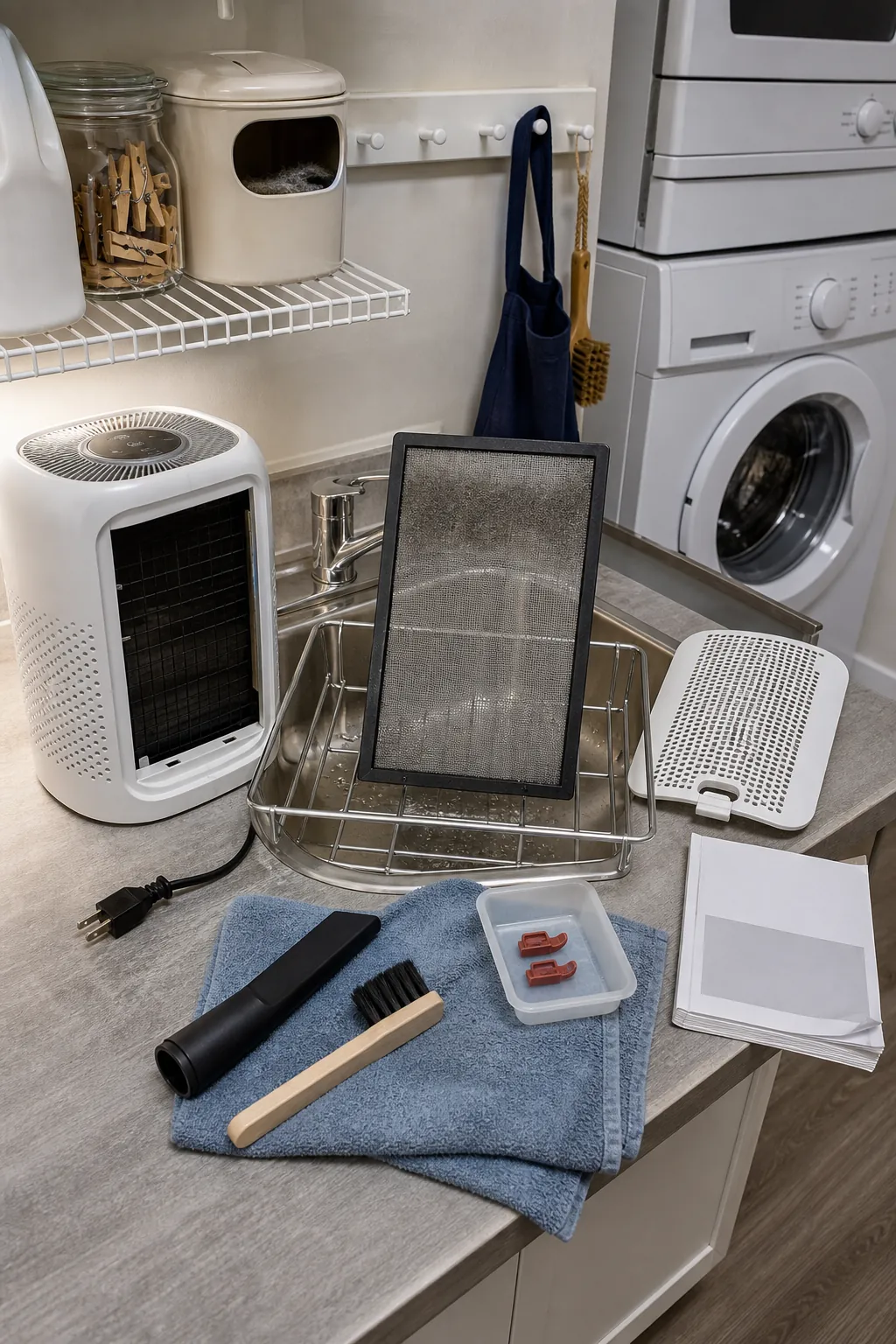
Some of the most satisfying deep cleaning tips are not decorative at all. They help appliances breathe, drain, or dry. Check the care manual before cleaning a dishwasher filter, range-hood filter, dryer lint path, washing-machine gasket, refrigerator coils, vacuum brush roll, or air-purifier intake. Unplug appliances when the manufacturer instructs you to do so, and never defeat a safety guard.
Make these jobs visible by tying them to a recurring cue: the first weekend of a month, the start of a new season, or the day you replace an HVAC filter. Photograph a part before removing it if reassembly is not obvious. A small tray keeps screws and clips together. This is less glamorous than a cleaning aesthetic video, but it is where a deep clean starts paying you back.
Finish with floors, touchpoints, and fresh air
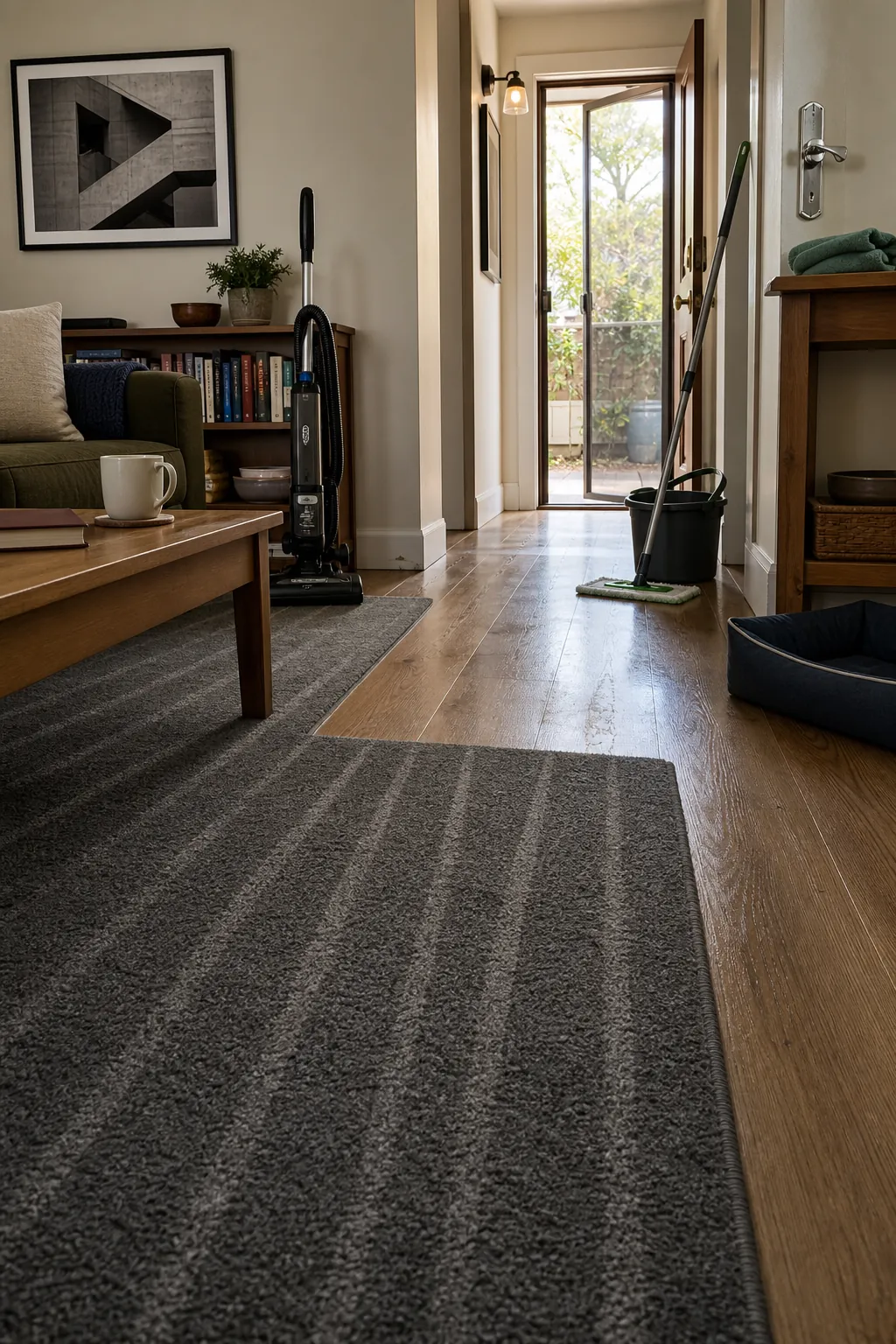
Once dust and debris have landed, vacuum upholstery seams, under reachable furniture, along baseboard edges, and across the floor. Use the correct head for rugs, hard flooring, or delicate surfaces. Mop only after dry soil is removed; otherwise, dust turns into streaky mud. Work toward the exit so you do not walk across the finished area.
Give frequently handled points a final pass: switches, handles, pulls, remote controls, railings, and the edges of doors. Follow device and finish guidance rather than spraying liquid directly onto electronics. If outdoor air conditions allow, ventilate the room. The EPA recommends following product labels, avoiding chemical mixing, and ventilating while cleaning, sanitizing, or disinfecting.
Make the clean last without chasing perfection
A successful deep clean is not the day you touch every hidden surface. It is the day you restore control. Write down the few tasks you did not reach and give each one a future date instead of carrying them as guilt. Keep a short weekly reset for trash, dishes, laundry, visible surfaces, and floors, then rotate one deeper zone at a time.
If energy is limited, choose the room that gives the biggest daily return—often the kitchen, bathroom, or bedroom—and stop after completing it. A finished room teaches you more than six half-started rooms. The real hack is not a miracle mixture. It is a sequence clear enough that you can begin again next time.