

Buying a couch online can save you weeks of showroom visits, but it also asks you to judge comfort, construction, color, and scale through a screen. The safest approach is not to hunt for a “perfect” sofa. It is to remove the expensive unknowns before you pay. Use this guide to turn a polished product page into a decision you can defend.
Start With the Room, Not the Product Page
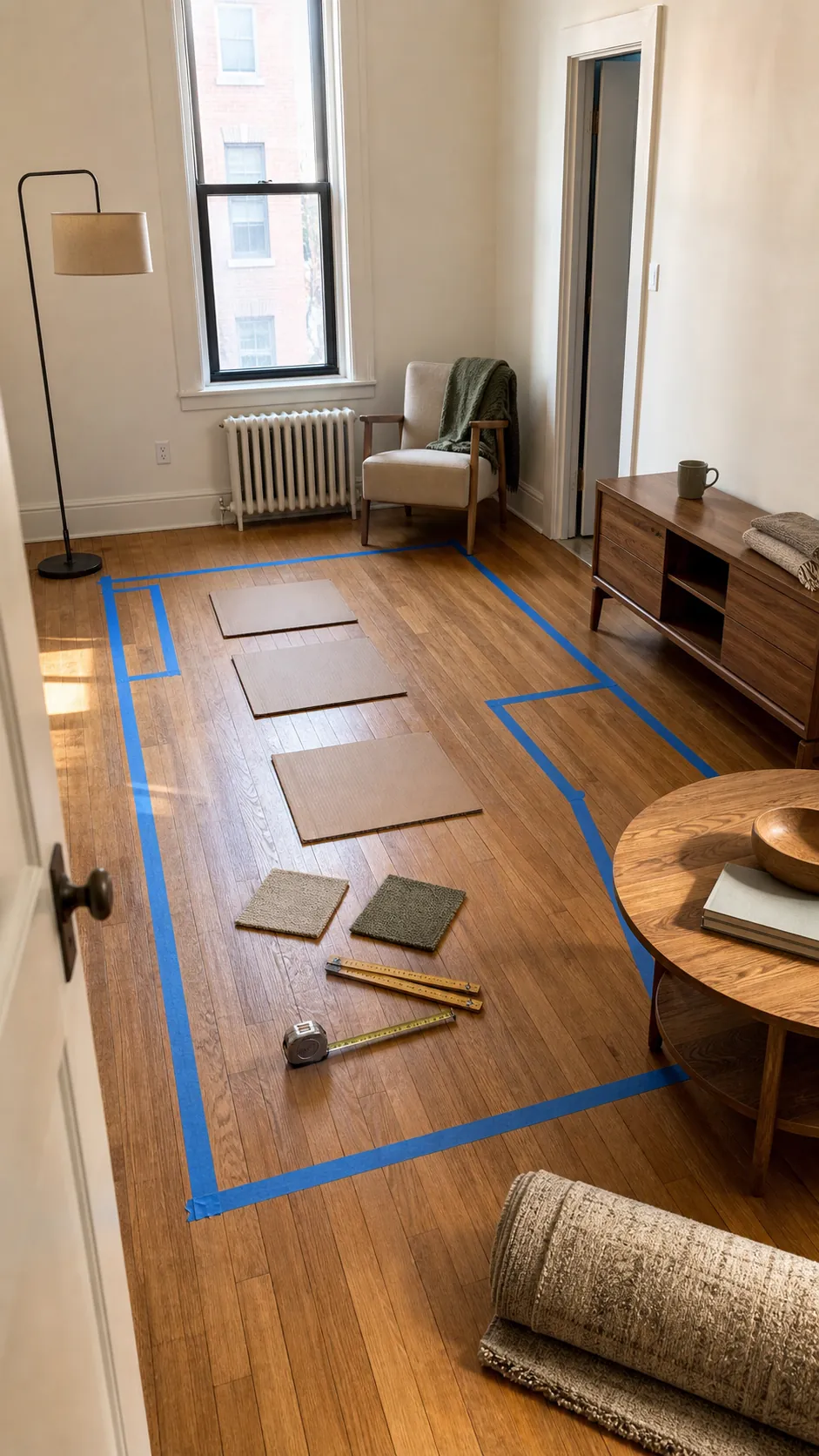
Measure the wall where the couch will sit, then measure the usable room around it. Record the maximum sofa width and depth, but also note the space needed for side tables, floor lamps, heating vents, doors, and a comfortable walking path. A deep sofa can look luxurious online and still swallow a modest living room. Painter’s tape is the quickest reality check: mark the full footprint on the floor, including a chaise or recliner in its extended position, and live with the outline for a day.
Do not judge dimensions from a staged photograph. Product images often use large rooms, small accessories, and wide camera angles that make furniture appear compact. Compare the stated seat height and seat depth with a couch you already find comfortable. A tall person may appreciate a deeper seat, while someone shorter may need a shallower seat to keep their feet on the floor. Arm width matters too: thick arms can consume a surprising amount of the listed overall width without creating more seating.
Measure the Entire Delivery Route
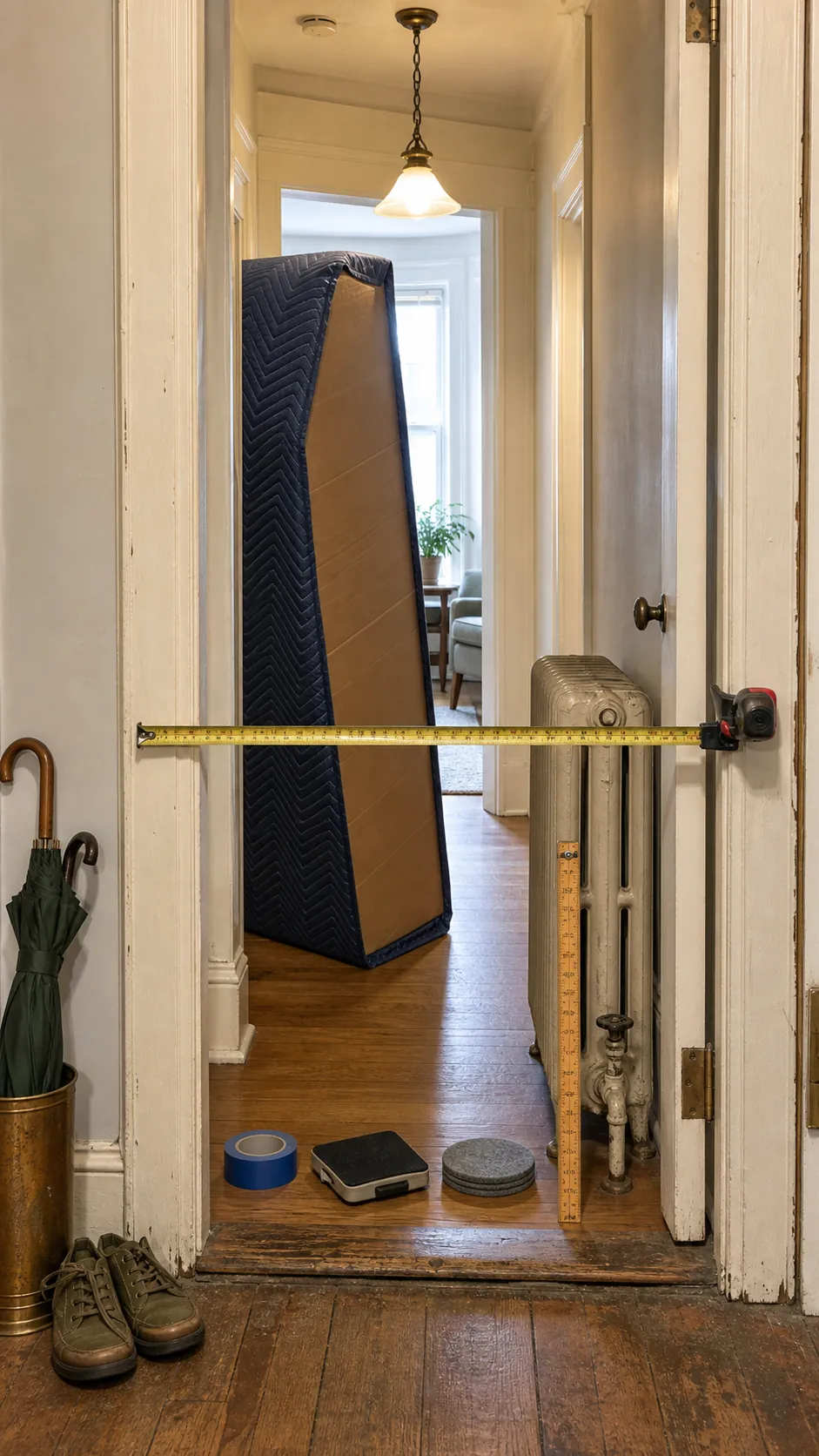
A sofa that fits the room can still fail at the front door. Measure the narrowest clear width and height of every doorway, hallway, stair landing, elevator, and turn between the truck and the final location. Include fixed railings, ceiling lights, door handles, radiators, and low overhangs. Measure the diagonal depth and height of the sofa from the manufacturer’s diagram, not just its width. Ask whether the legs arrive attached and whether removable backs or arms are genuinely designed to come off.
For an apartment, confirm elevator dimensions and building delivery rules before ordering. Some buildings require reservations, insurance documents, or specific service entrances. Send the retailer your route measurements in writing and ask them to confirm which package dimensions must pass through it. Keep that exchange. “White glove delivery” does not guarantee the crew can solve a physical impossibility, and failed-delivery or restocking charges can be substantial.
Translate Comfort Into Numbers
Online descriptions such as “plush” and “supportive” are marketing language, not measurements. Seat height, seat depth, back height, cushion construction, and cushion firmness tell you more. Measure a chair or sofa you enjoy and use it as a reference. Remember that usable seat depth is measured from the front of the back cushion, not necessarily from the wooden frame. Loose, thick back pillows can reduce a nominally deep seat by several inches.
Think about how the couch will actually be used. Upright conversation and reading favor more back support and a moderate depth. Lounging and napping may call for a deeper seat and lower arms. Older adults and people with mobility concerns often find a very low, soft seat difficult to rise from. If household members want different experiences, look for reversible back cushions, a chaise, or separate ottoman rather than expecting one exaggerated seat profile to suit everyone.
Ask What Is Under the Upholstery
A beautiful silhouette cannot compensate for a weak frame or cushions that collapse. Look for specific construction details: kiln-dried hardwood or engineered hardwood framing, reinforced joints, a described suspension system, and foam density rather than the phrase “high density.” Foam density describes durability, not initial firmness. When a retailer will not disclose the frame material, suspension, or cushion fill, treat the missing information as part of the price—not as a harmless omission.
Read the cushion description closely. A foam core wrapped in fiber or down can balance support and softness, but it may need regular rotation and fluffing. All-feather cushions look relaxed and require more maintenance. Very soft low-density foam can feel appealing on arrival yet lose resilience quickly. Removable, reversible cushions generally distribute wear better. Check the warranty for separate coverage of the frame, springs, cushions, fabric, seams, and mechanisms; a long “limited warranty” may protect far less than its headline suggests.

Order Fabric Swatches and Test Them at Home
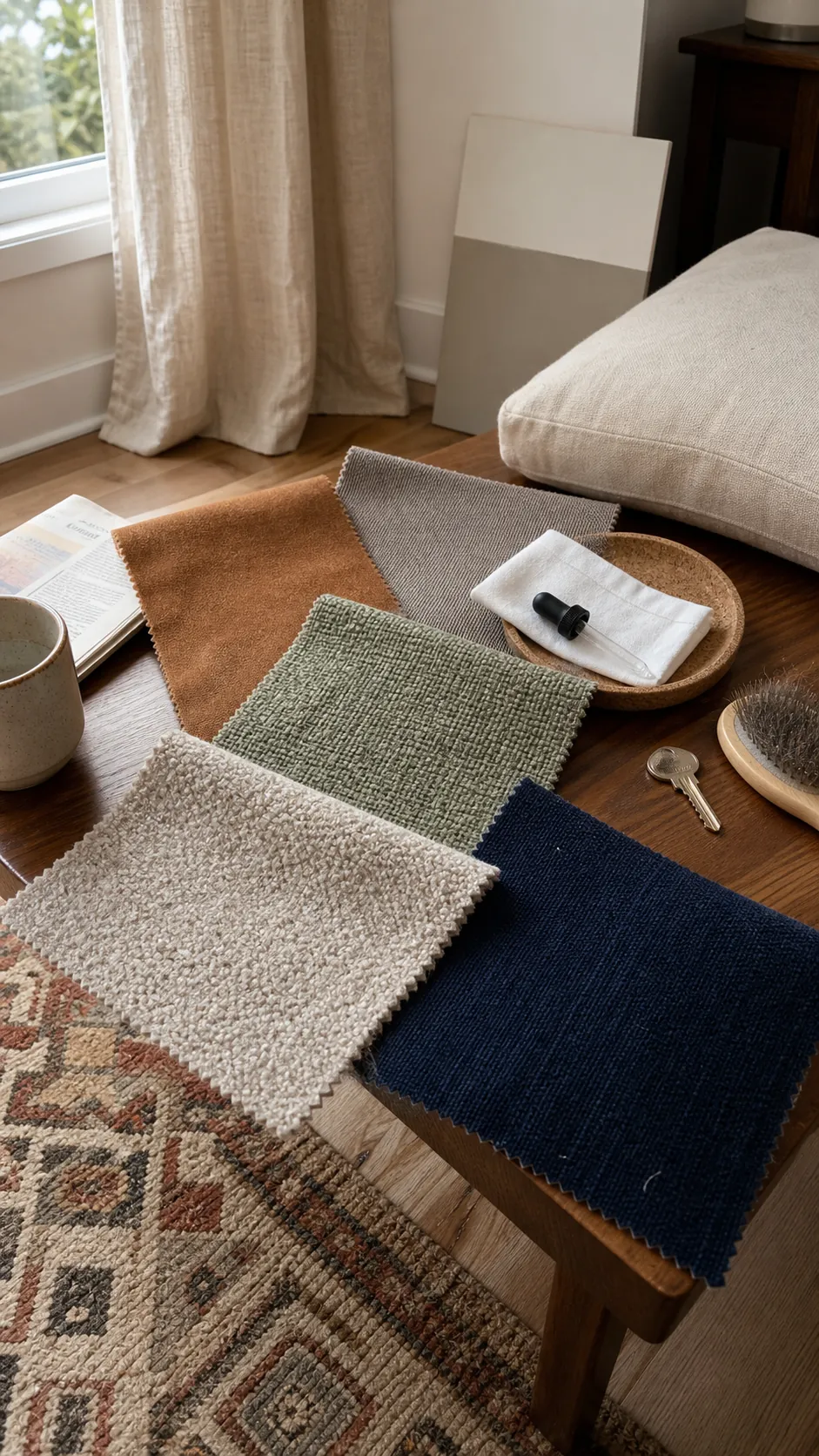
Never choose upholstery color from a screen alone when swatches are available. Screens shift hue, studio lighting hides texture, and a small product crop cannot show how a fabric changes across a large surface. View each swatch in morning daylight, afternoon shadow, and your evening lamps. Place it next to the rug, wall paint, curtains, and wood finishes. Photograph it in the room, but trust the physical sample over the phone image.
Use the swatch to test real life. Rub it with a clean white cloth to check dye transfer. Catch it gently with a fingernail to see whether loops snag. Put a few drops of water on a spare edge and follow the brand’s cleaning guidance. Households with pets should examine weave tightness and whether hair becomes embedded. Ask for the fabric’s composition, abrasion rating, cleaning code, and whether any protective treatment affects feel or care. “Performance fabric” is a broad claim; the maintenance instructions are more useful.
Audit the Seller and the Reviews
Look beyond the testimonials selected by the retailer. Search the company name with terms such as “return,” “warranty,” “delivery,” and “customer service.” Read reviews on more than one independent platform and prioritize reports written months after delivery. Day-one reviews can describe appearance and initial comfort; they cannot reveal sagging cushions, pilling fabric, loosening joints, or how the company handles a claim. Detailed reviews with original room photos and specific model names are more informative than clusters of vague praise.
Verify that the business has a working address, a reachable service channel, clear policies, and a history that makes sense for the claims it makes. Reverse-image-search suspicious listing photos when buying through a marketplace. New profiles, copied images, prices far below comparable couches, pressure to pay a “hold” deposit, and requests for irreversible payment are reasons to walk away. For a large online purchase, pay through a method that provides a documented dispute process, and save the product page, specifications, order confirmation, and policy in effect on the purchase date.

Read the Return and Delivery Policies Like a Contract
Before checkout, calculate the worst-case exit cost. Is the sofa returnable after assembly? How many days do you have, and does the clock begin at purchase, shipment, or delivery? Who pays return freight? Is there a restocking fee? Are custom fabrics, made-to-order pieces, clearance items, and opened packaging excluded? A “30-day return policy” is not reassuring if freight and fees approach the value of the couch.
Clarify the delivery level as well. Threshold delivery may leave a boxed sofa outside or just inside the entrance. Room-of-choice delivery may not include assembly or packaging removal. White glove service varies by retailer. Ask what happens if the product is late, damaged, missing pieces, or cannot fit through a route that you accurately disclosed. Take screenshots or download the policy, because web pages can change while a long-lead-time order is being made.
Inspect the Couch Before the Delivery Crew Leaves
Clear the route and have your order details ready before the delivery window. Photograph the unopened packaging, especially crushed corners, tears, or water marks. As the couch is unpacked, compare the model, configuration, orientation, fabric, and color with the order. Inspect the frame from several angles; check that legs sit evenly, seams run straight, zippers work, cushions match, and reclining or sleeper mechanisms operate smoothly. Look under loose cushions and along the back, where damage is easy to miss.
If the item is wrong or materially damaged, document it before signing an acceptance that says otherwise. Follow the retailer’s reporting procedure immediately and keep all communication in writing. Minor cushion compression from packaging may recover, but cracks, twists, tears, stains, broken hardware, and the wrong configuration are not “settling.” Keep packaging until you know the couch is correct if the policy requires it for a return.
Make the Final Decision With a One-Page Checklist
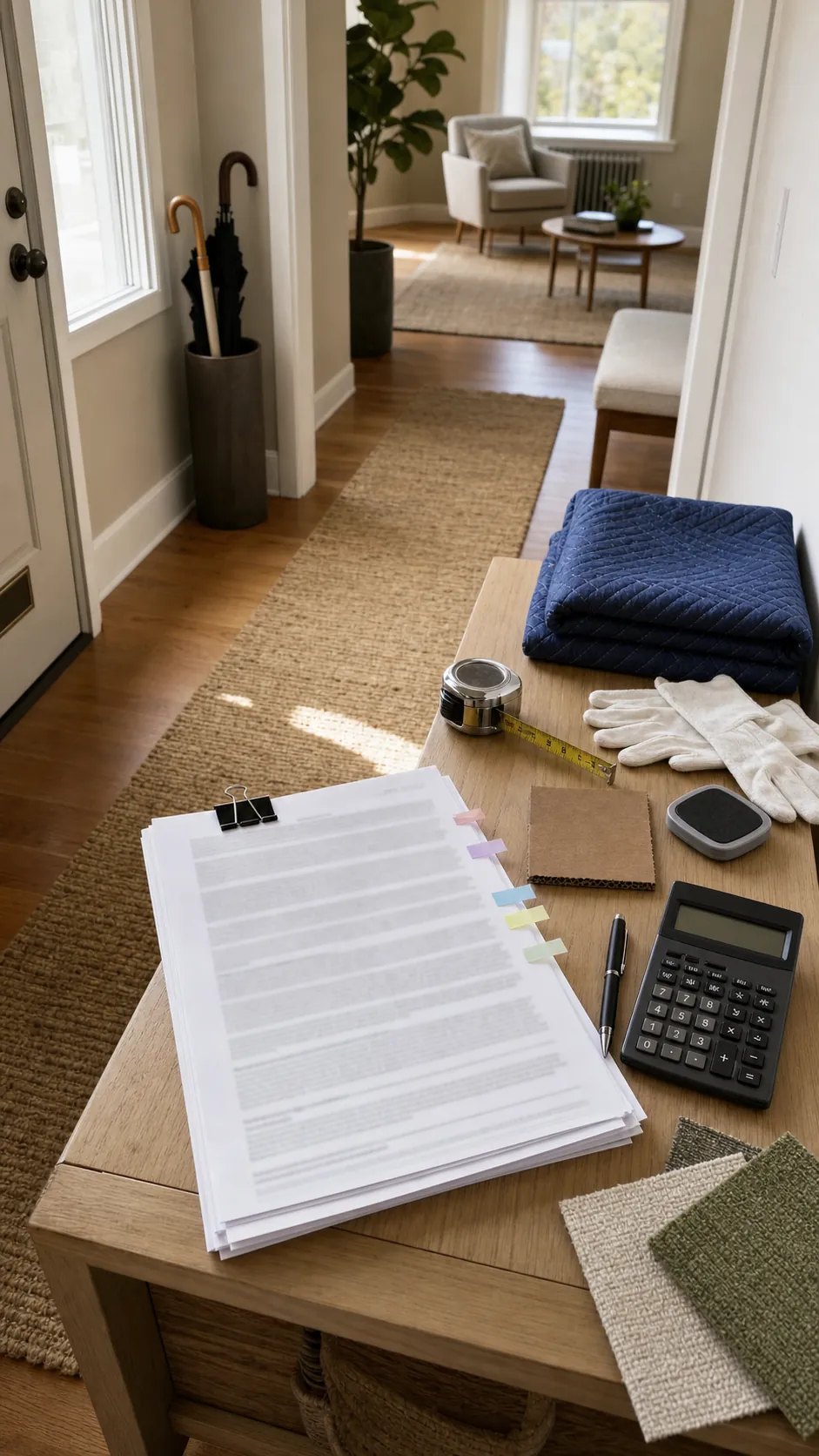
A safe purchase should pass four tests: it fits the room and delivery route, its comfort dimensions match your body and habits, its materials are described well enough to judge durability, and the seller offers a realistic remedy if something goes wrong. Put those facts on one page beside the total delivered price. Include tax, assembly, protection plans, fabric upgrades, and potential return costs—not just the sale price.
If a missing answer could turn the couch into an unusable purchase, pause and ask for it in writing. A limited-time discount is not compensation for an unknown return fee or an unverified doorway fit. The best online couch is not merely the one that photographs beautifully. It is the one whose dimensions, construction, fabric, seller, and policies still make sense after the marketing glow has been stripped away.