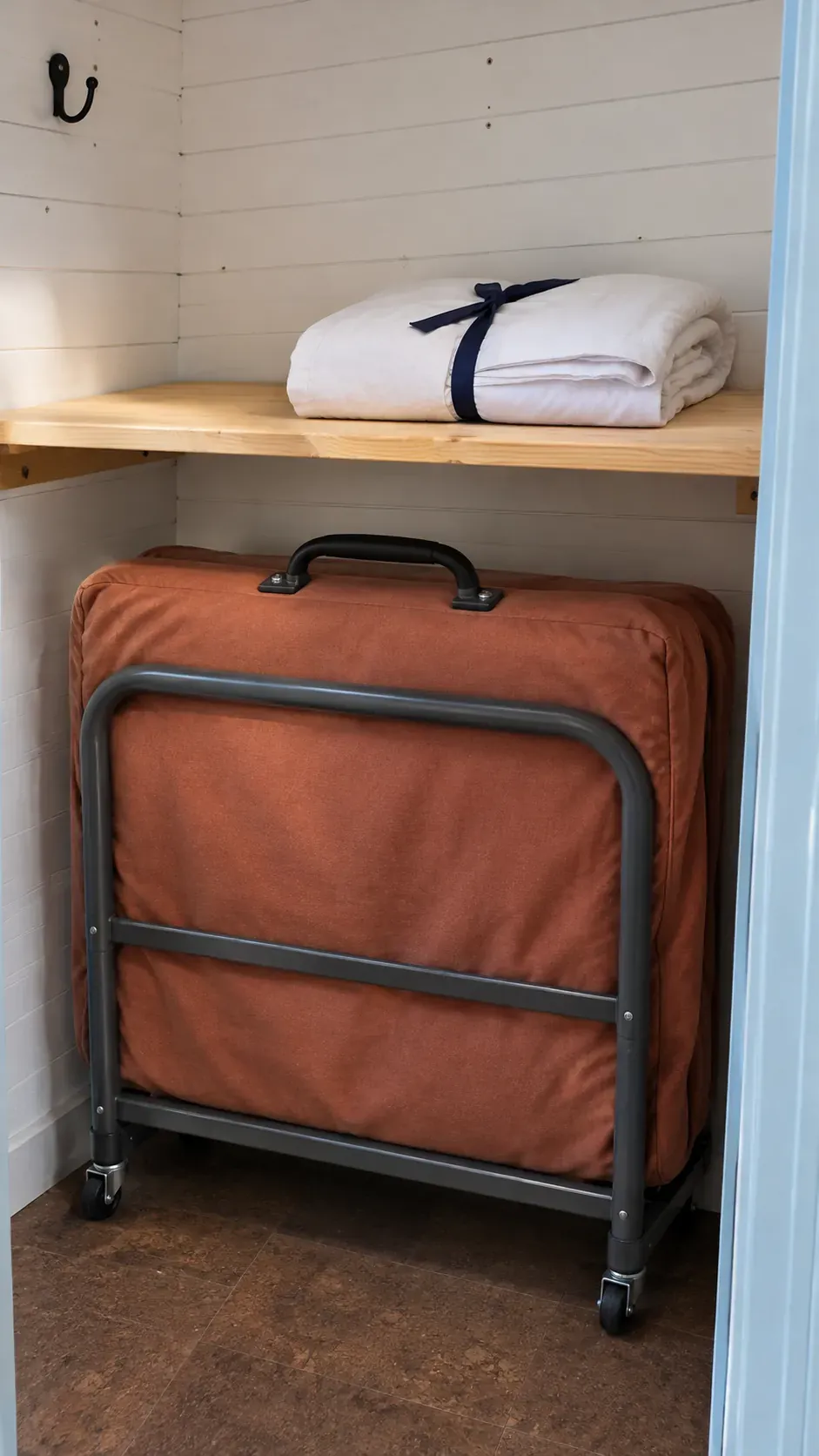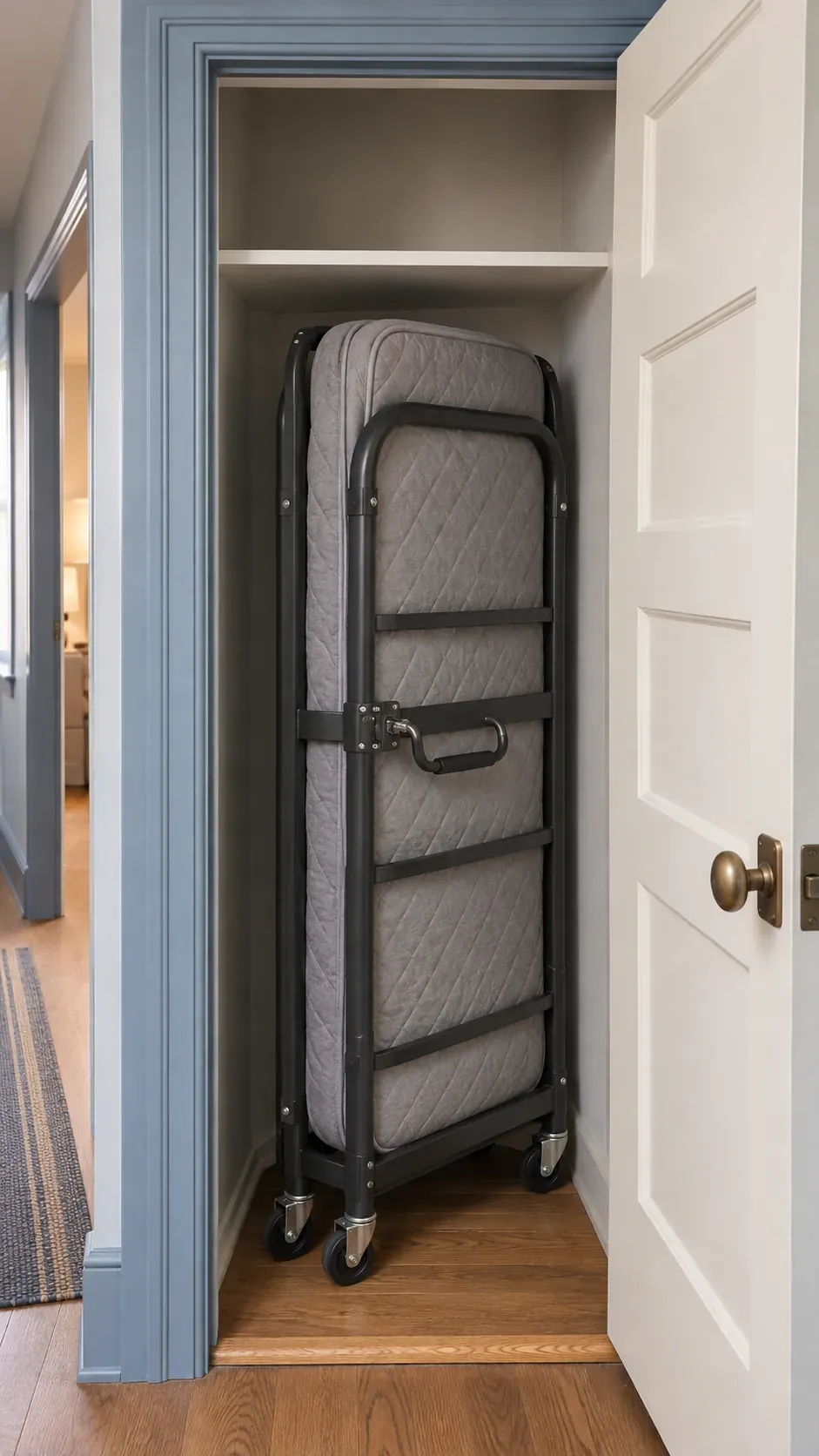
A folding bed can be narrower than your closet and still keep the door from closing. The mattress bulges around the fold, a wheel sticks out, or the handle meets a shelf just as you go to park it. Measure the space the folded bed has to move through and the space it will occupy once you close the door. Those are two different checks.
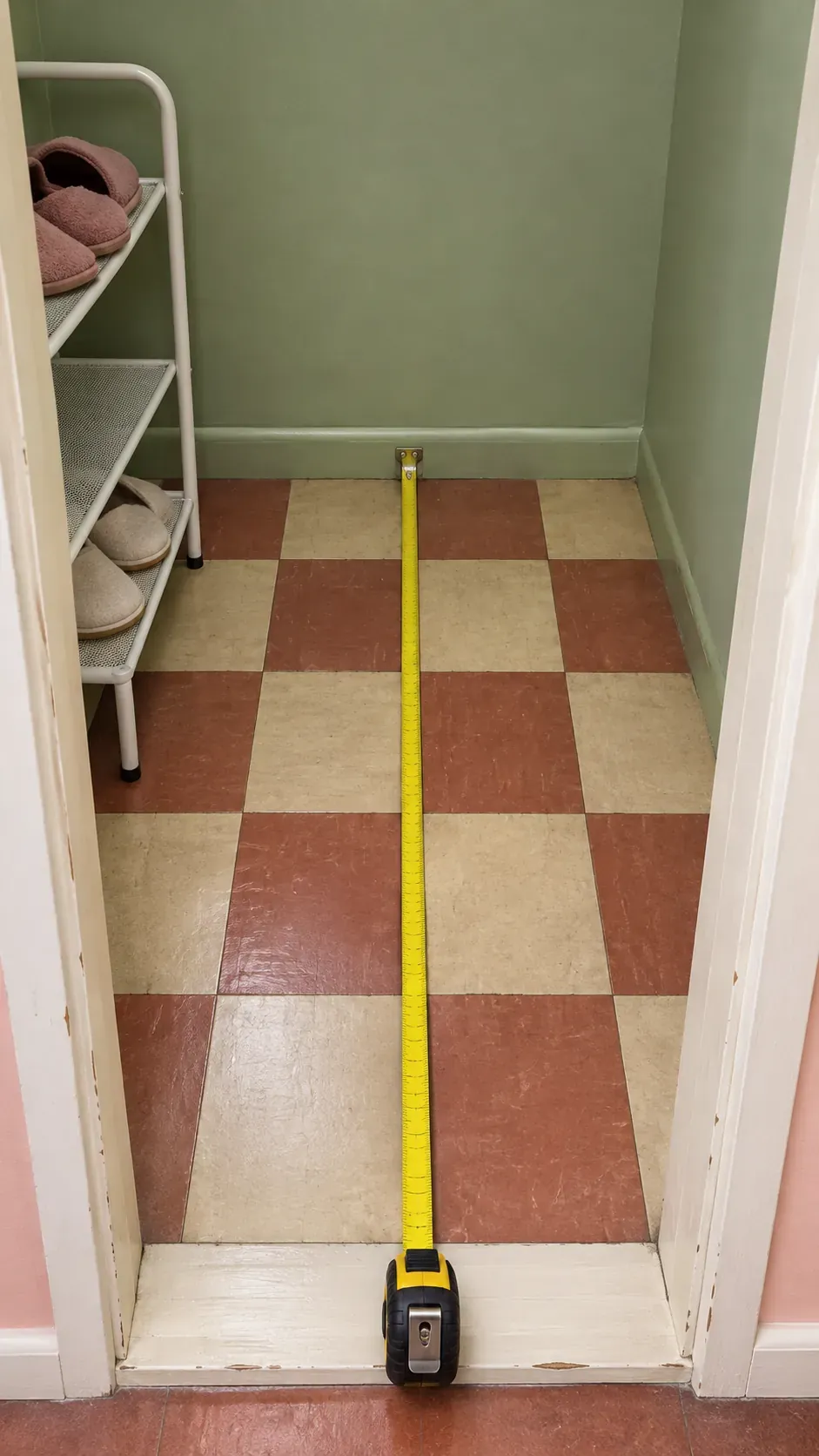
Find the closet’s usable depth
Close the door and locate its inner face from inside the closet if you can do so safely, or mark that plane at the jamb with the door open. Measure from there to the closest obstruction at the back. A baseboard, shelf bracket or the bottom of a shoe rack can take up depth at one height even when there is plenty of space above it. Take readings near the casters, at the fold of the mattress and at the height of the carrying handle.
With sliding doors, check the inner panel and its handle. With a folding door, note where the folded panels sit when fully open. Both can leave a smaller opening than the trim suggests. If you want coats to stay on the rod, measure again with them hanging normally.
Get folded dimensions with the mattress in place
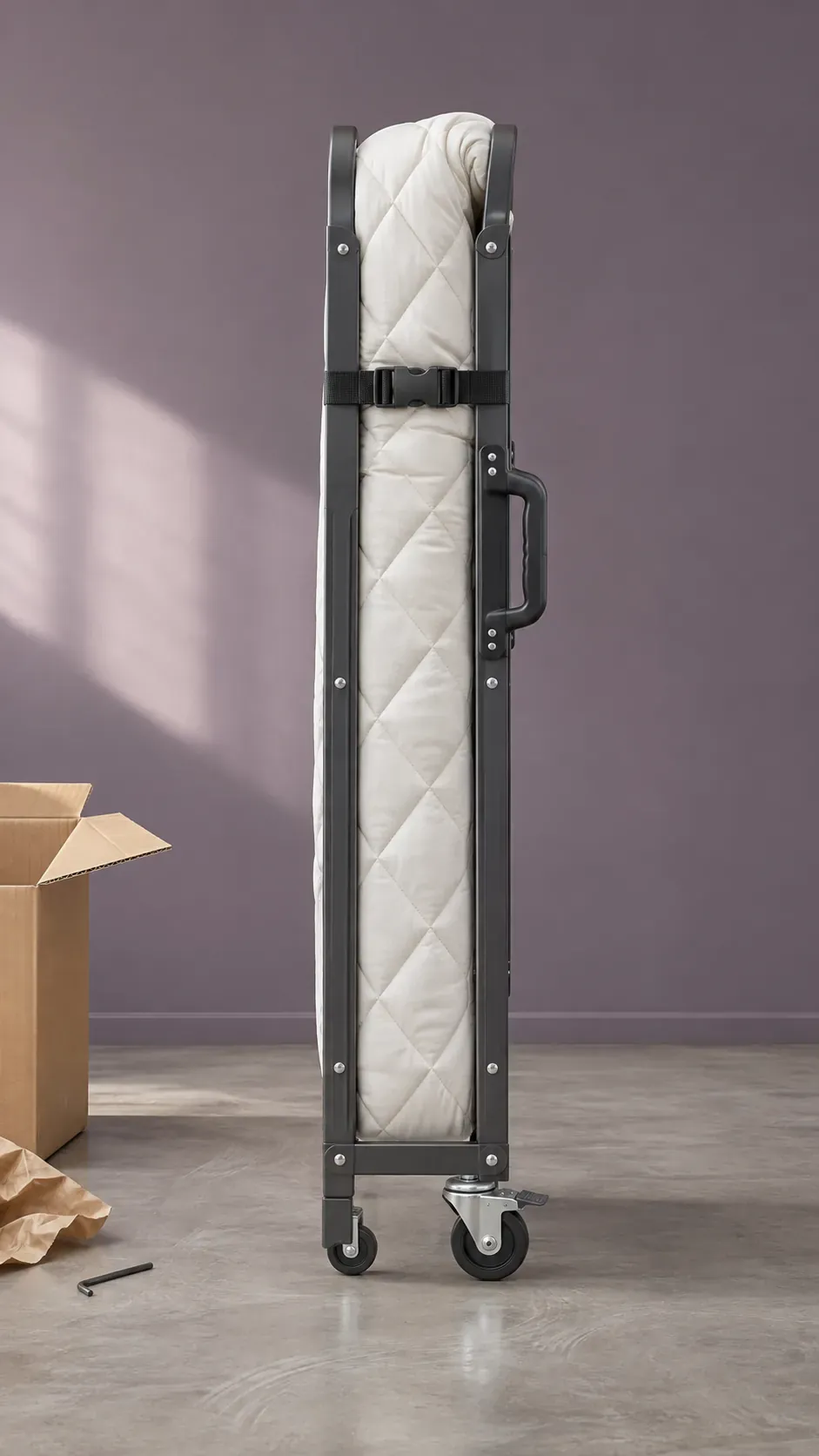
Ask for the folded height, width and full depth with the bundled mattress attached and latched. If the seller lists a single thickness, ask whether that figure includes the wheels in their parking position, the handle and the bulge of the folded mattress. Confirm whether the frame can be stored in the orientation you plan to use.
Compare the numbers with your smallest measurements, then leave room for the cover and for guiding the bed in and out. A closet with 13 inches of free depth and a fully folded bed measuring 12 inches deep has only one inch left. That margin can disappear once you add a cover or a caster swivels toward the door.
Test the doorway and the turn
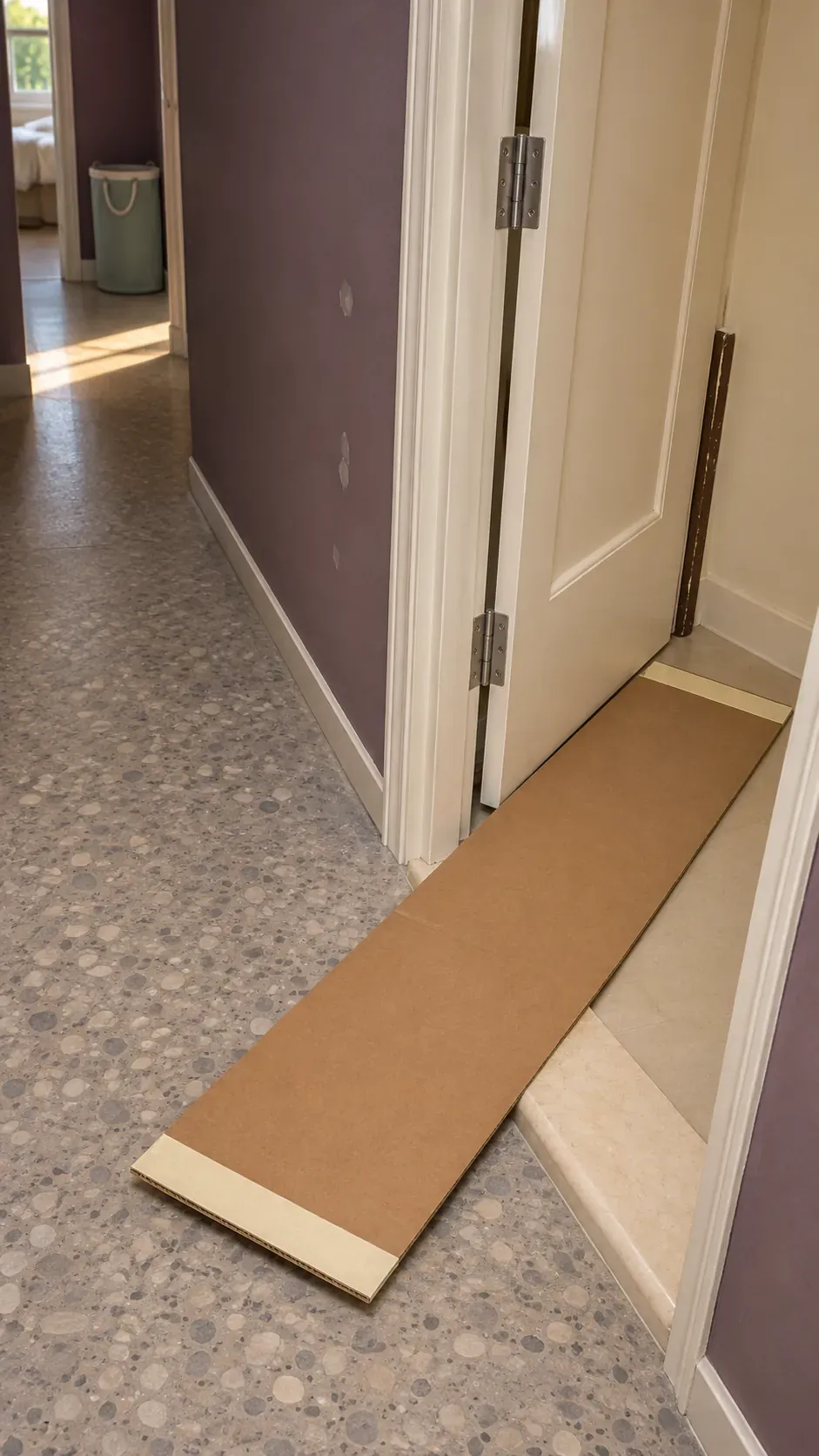
Make a full size cardboard rectangle using the bed’s folded width and depth. Move it from the hall into the exact parking spot. If you have to turn it sideways to clear the opening, walk the whole turn and check the opposite wall. Use the folded height to check shelf clearance separately, especially if you must tilt the frame over a threshold.
A frame can sit comfortably inside a closet with an opening it cannot pass through. Check at the hinges, track and handles. Include the route around furniture and across any rug edge as part of the test.
Look for wheels and a latch you can manage
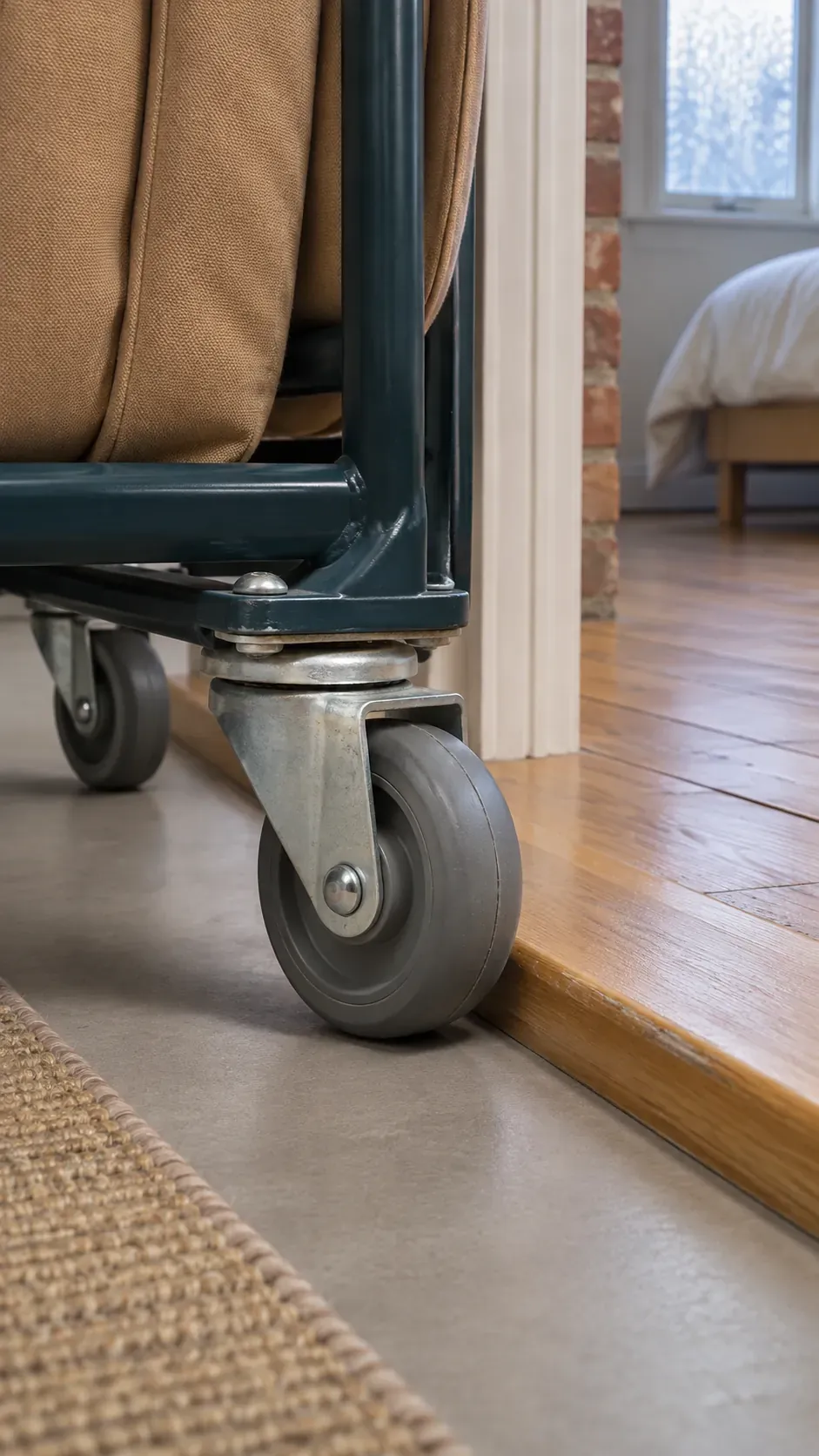
Casters are most useful when they turn without hitting the folded mattress or snagging at the closet track. Look for a handle you can reach from a comfortable standing position. If you can try the model, roll it across a threshold like yours and practice folding it with the mattress on. Check the latch holds the frame together before you move it, and follow the maker’s instructions for securing it in storage.
Check the open bed for the guest who will use it
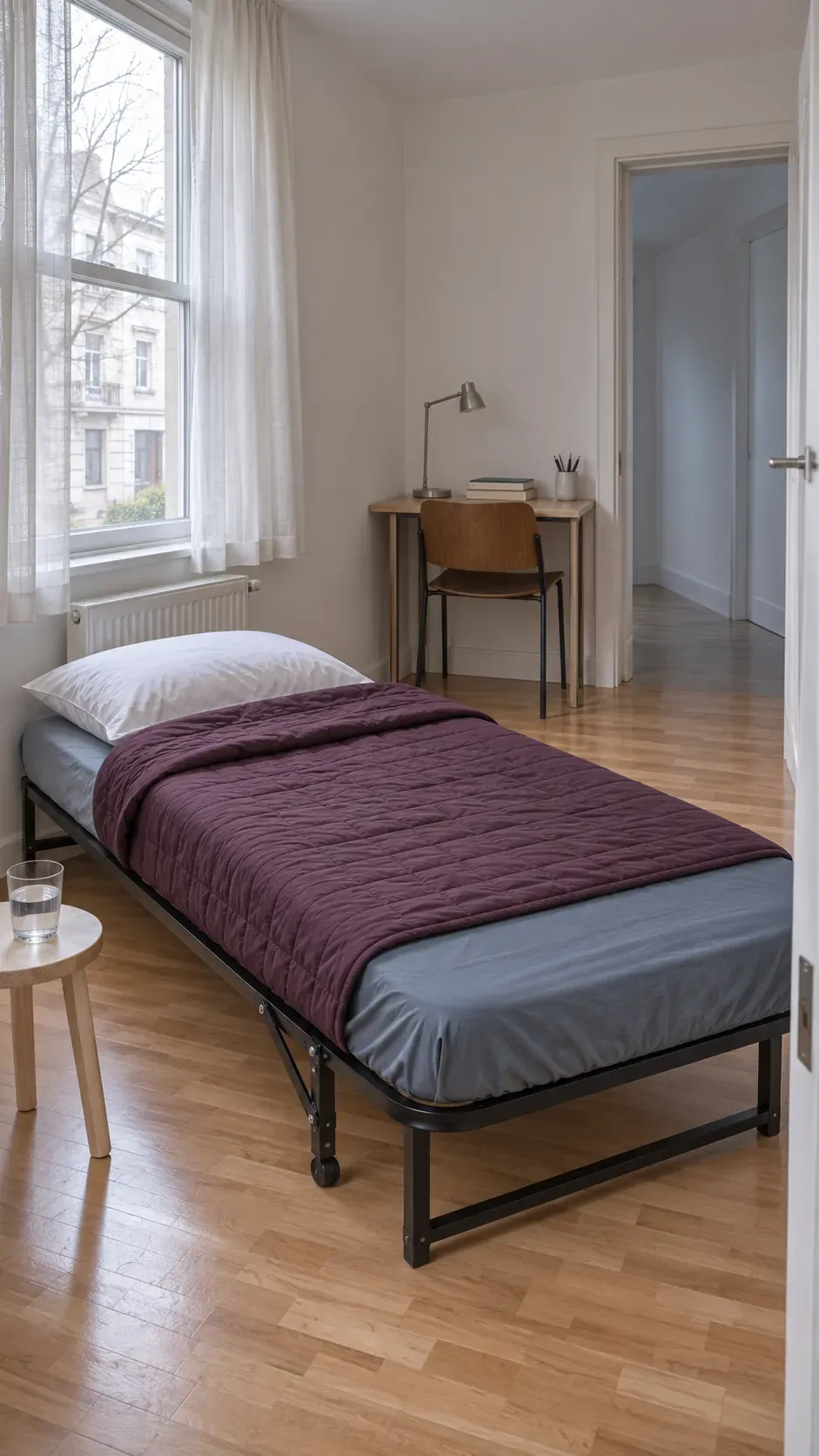
Get the sleeping surface dimensions, the usable weight rating and the height to the top of the mattress. A narrow portable bed may fit behind a closet door and still feel cramped for your usual guest. A thicker replacement mattress can change the folded dimensions or keep the latch from closing, so check the frame maker’s limits before buying one separately.
Mark the open footprint in the room as well. Confirm the frame locks open as directed, the legs sit firmly on the floor and there is a clear route to the door. Try putting sheets on while the bed is in that spot. If you have to wedge a hand against the wall to reach the corners, set it up with a little more space on that side.
Decide where the bedding will go
Store the bedding beside the folded bed only if it leaves enough room to grab the handle and roll the frame straight out. A bag of sheets can sit on a shelf above a short folded frame, while a bigger pillow might need another home. If no rollaway fits with room to move, consider a folding frame and mattress you can store separately. Measure the space needed for both pieces before you commit.