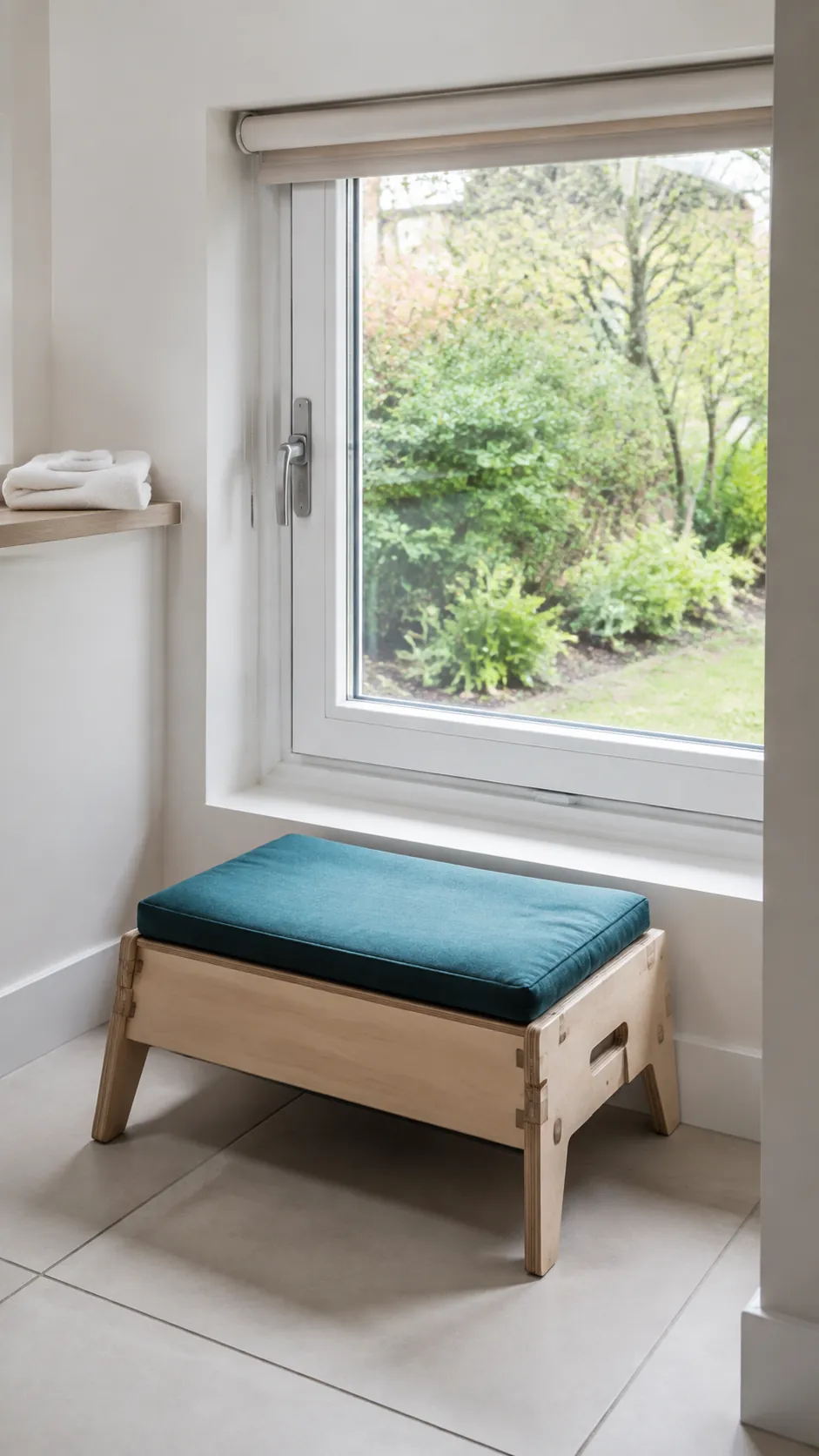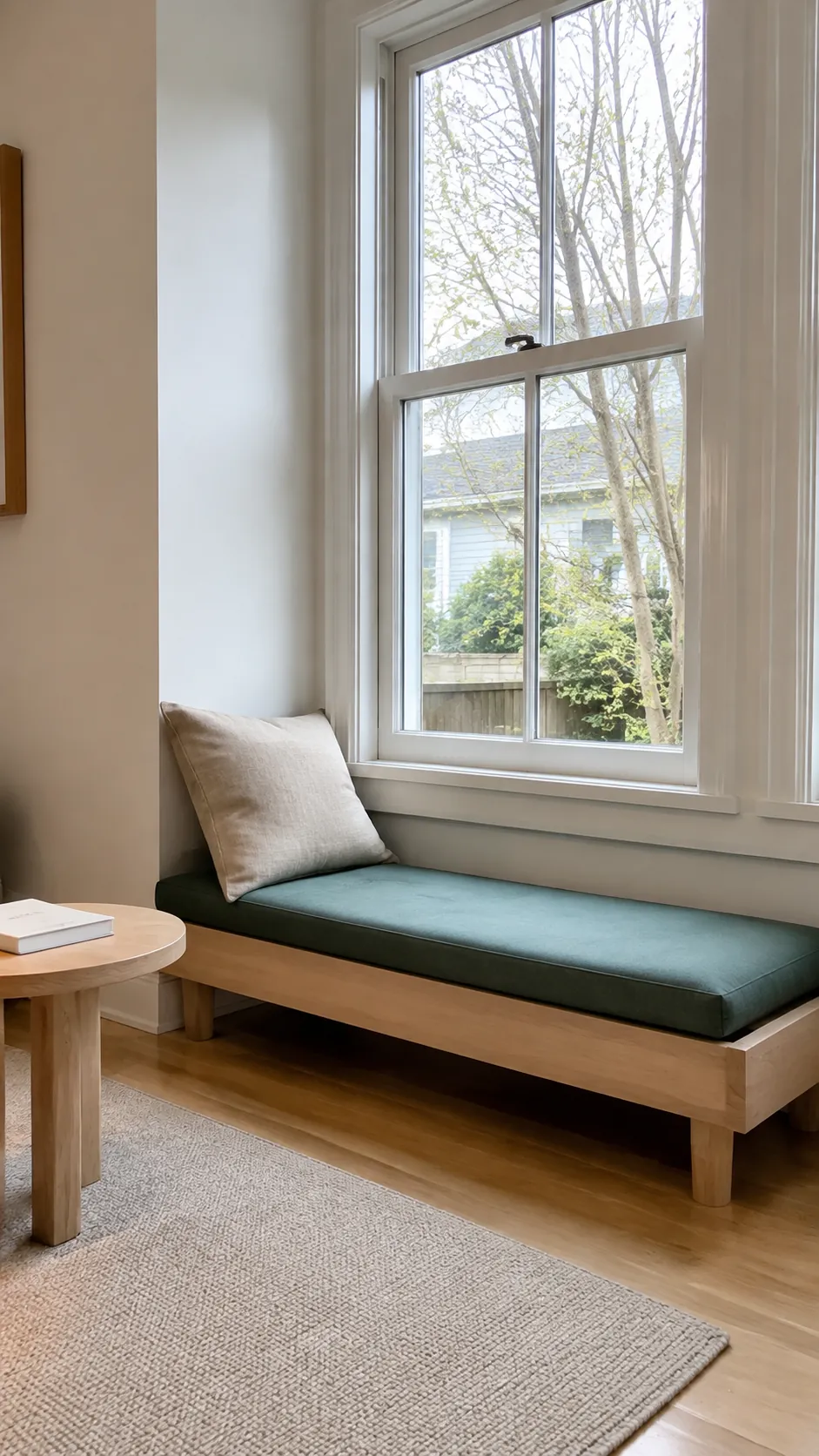
A bench can sit beautifully below the glass and still be uncomfortable to get out of. The useful decision is how low the finished cushion should be for the people using it, not how closely the furniture follows a photo. Start with that sitting test, then work around the window.
Separate a low look from a low sitting height
A low window seat can mean furniture close to the floor, or simply a bench with a slim visual profile. Those choices feel different when you sit down. A recessed base and restrained cushion can make a normal seat look lighter, while a genuinely low platform changes how your hips and knees bend. Decide which result you want before measuring the recess.
If standing up from low furniture already feels difficult, prioritize a height and support arrangement that works for you. Test a stable seat of similar finished height rather than a stack of loose boxes. Keep a comfortable alternative available for visitors who cannot use the low perch easily.
Let the sill set a limit, not dictate comfort
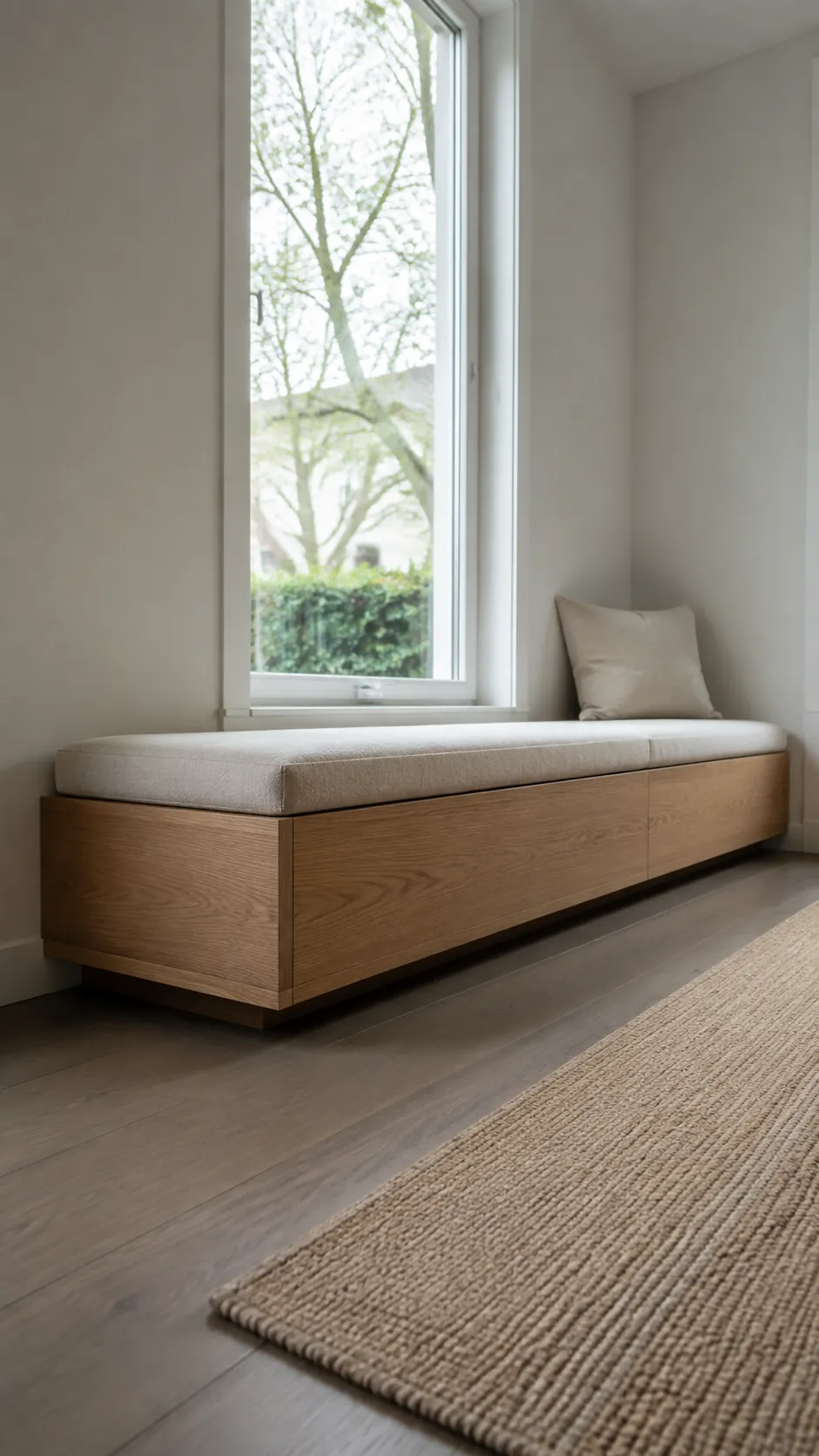
Measure from the floor to the underside of the sill and record how far the sill projects. Add the intended cushion to the base height when checking the relationship. A low window does not justify pushing upholstery into glass or covering the handle. You may need a separate bench placed forward of the window rather than fitted seating at the sill line.
A window sill seat also requires confirmation that the structure is intended to support a person. Decorative trim and an ordinary sill are not substitutes for a seating frame. Preserve ventilation, required escape openings and the operating space of inward opening panes. Where low glazing or fall exposure creates a concern, have the proposed seating arrangement checked against local requirements.
Use depth to make a low perch comfortable
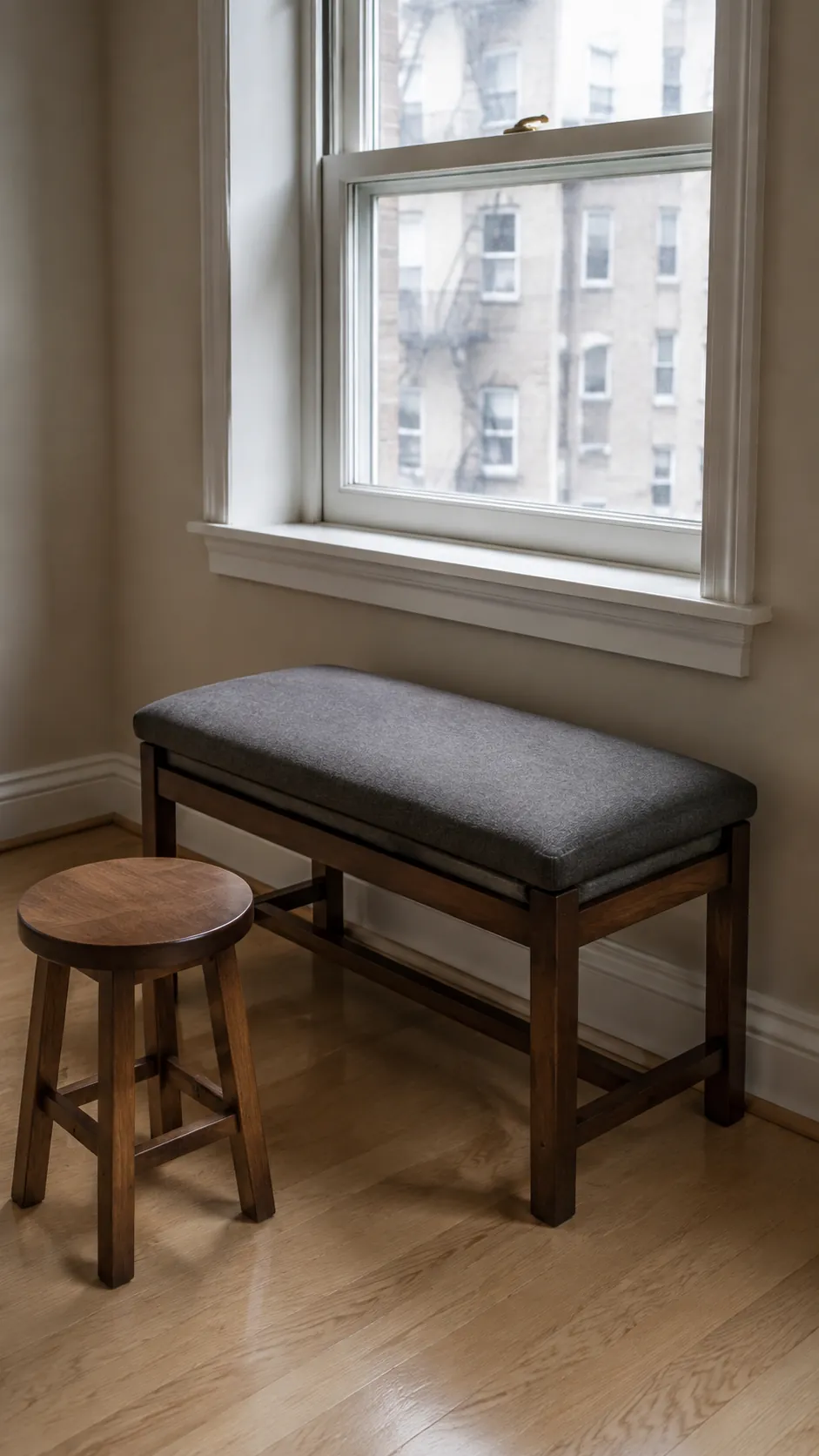
Low seating often invites a more relaxed posture, so depth and back support deserve as much attention as height. A broad pad may suit sitting with legs folded, while a shallow perch is better for a brief pause. Neither arrangement is automatically comfortable for everyone. Try the posture you actually expect to use and notice pressure behind the knees or an unsupported lower back.
A firm movable cushion can bring support forward without permanently rebuilding the seat. Leave usable space in front of it instead of filling every inch with pillows. Small window seat ideas should make the compact footprint work, not conceal it beneath oversized upholstery.
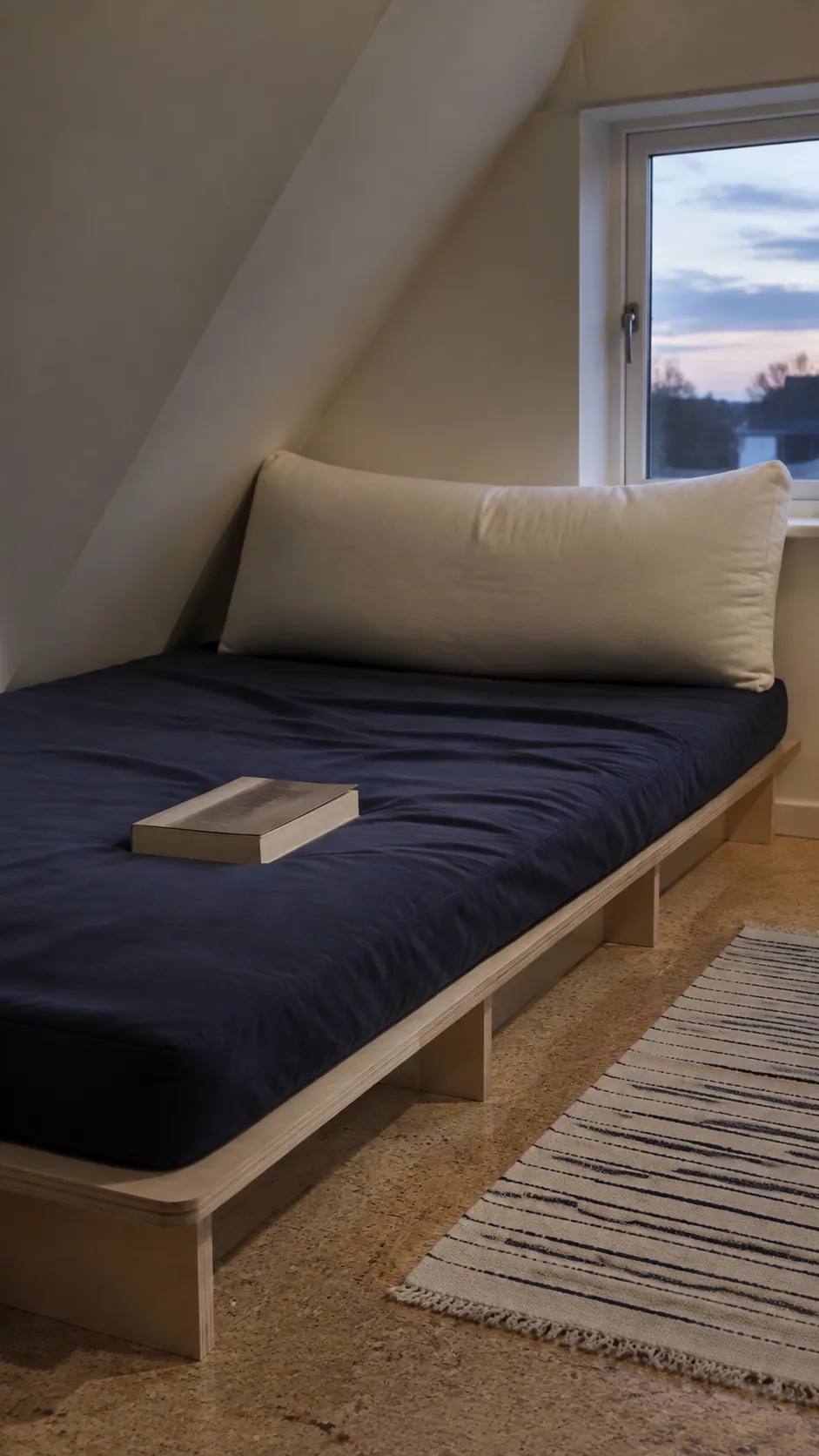
Choose storage that fits the remaining space
Lowering a bench leaves less height for drawers and baskets. Measure the clear internal opening after allowing for the frame, runners and top rather than using the outside cabinet height. Shallow trays may hold reading glasses and small textiles, while tall baskets may no longer fit. Buy storage containers after the actual compartment dimensions are known.
A long window seat still needs properly designed support across its span, even when it sits close to the floor. Do not remove a structural rail merely to make a basket fit. For a DIY window seat, use a design suitable for seating loads and the intended materials. Keep stored items easy to retrieve so the low compartment does not become dead space.
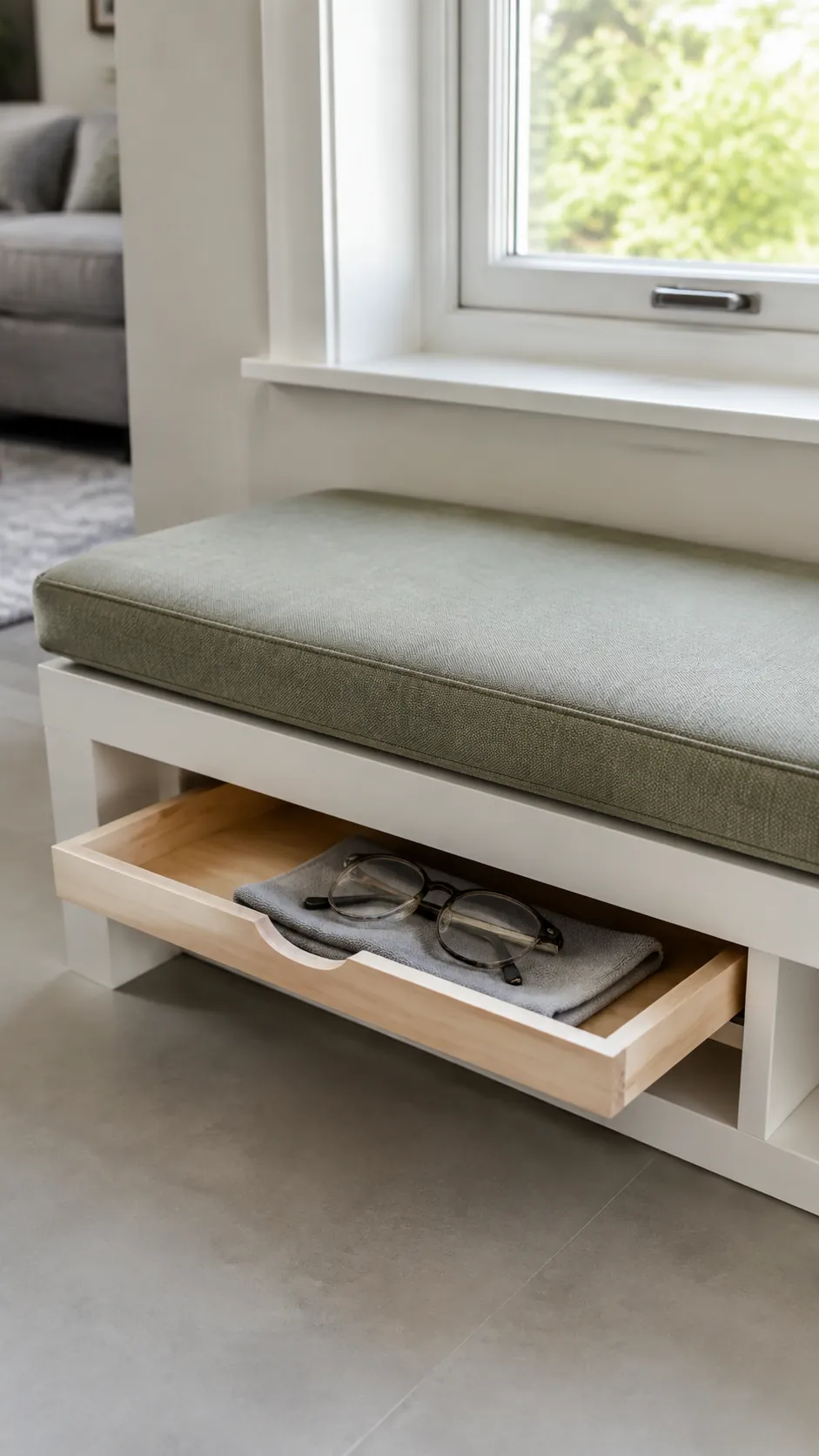
Keep the low profile visually clear
A simple front, one continuous color and a cushion that fits neatly can give a modern window seat a calm outline. Low furniture looks cluttered quickly when tall pillows compete with the window. Pick one useful back support and leave some cushion surface visible. A nearby side table should suit the sitting position so a drink does not require an awkward reach.
For window seat ideas in a bedroom, repeat a textile color from the bed without copying every pattern. In a living room, allow the floor to remain visible around the seat so the low shape can read clearly. The bench does not need to fill the whole wall to belong in the room.
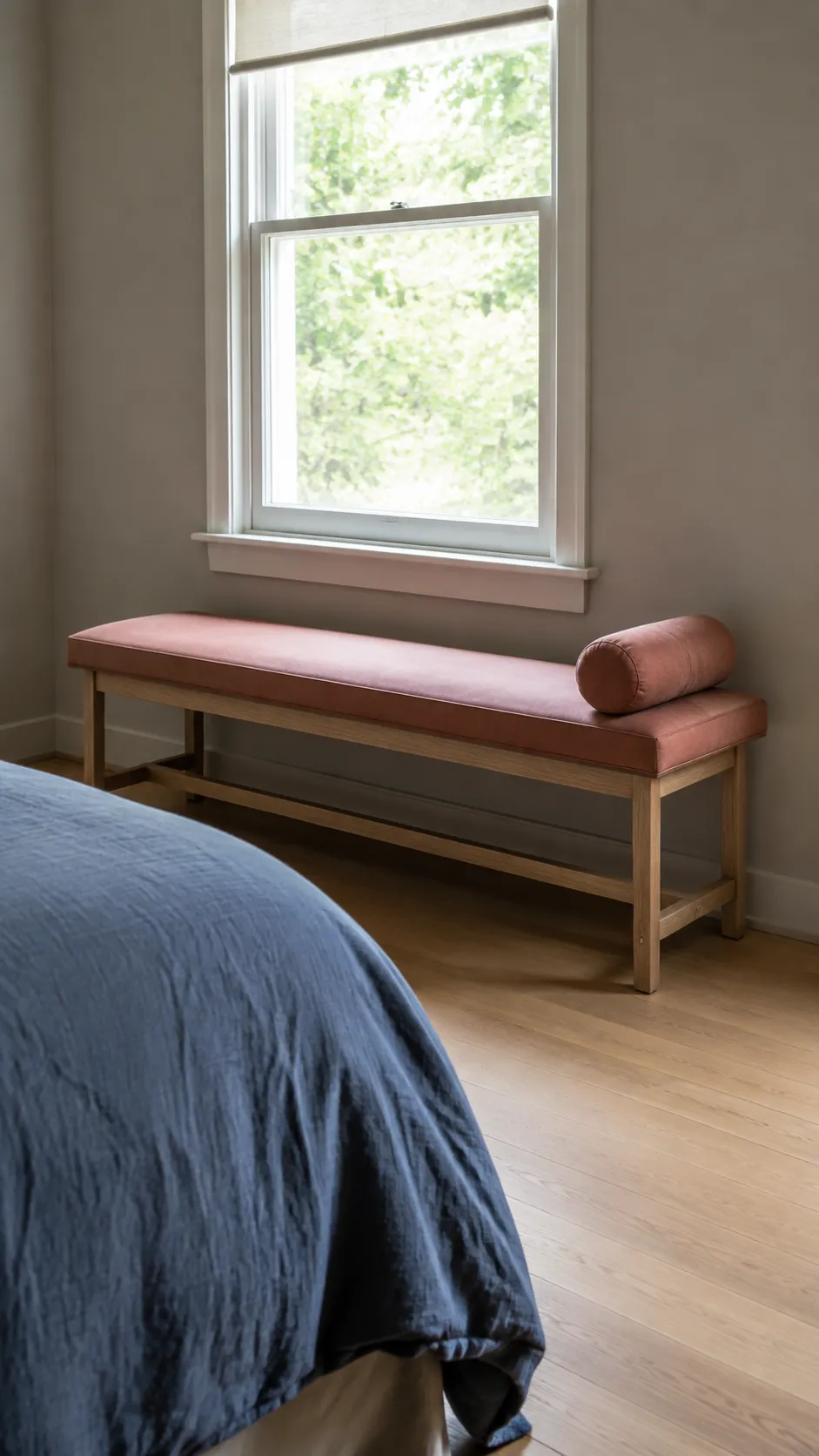
Check daily access before making it permanent
A low bench can make a window easier for children to reach, so plan the glazing, locks and coverings accordingly. An insect screen is not fall protection. Keep blind cords inaccessible and use appropriate window safety measures that preserve any required emergency function. Avoid creating a climbing route to an unsafe opening.
Also check the ordinary chores: reaching the latch, vacuuming beneath the frame and lifting cushions to inspect for moisture. Follow heater clearances and keep vents open. Live with a movable trial arrangement when possible, paying attention to getting up as well as settling down. The right low seat should feel easy to use on an ordinary day, not merely look right from across the room.