
Living in a small space doesn't mean you have to sacrifice style or comfort. Tiny home living is about making intentional choices that prioritize function without losing that feeling of home. Whether you are building from scratch or looking for tiny house inspiration interiors, the secret lies in how you use every square inch of your floor plan.
This guide explores how to design a compact home that feels spacious and inviting. We will look at practical tiny home kitchen ideas, ways to merge living zones, and how to select materials that brighten up your surroundings. By the end, you will have plenty of small tiny house ideas to help you create a home that works for your daily life.
Combining the Kitchen and Living Area for an Open Feel
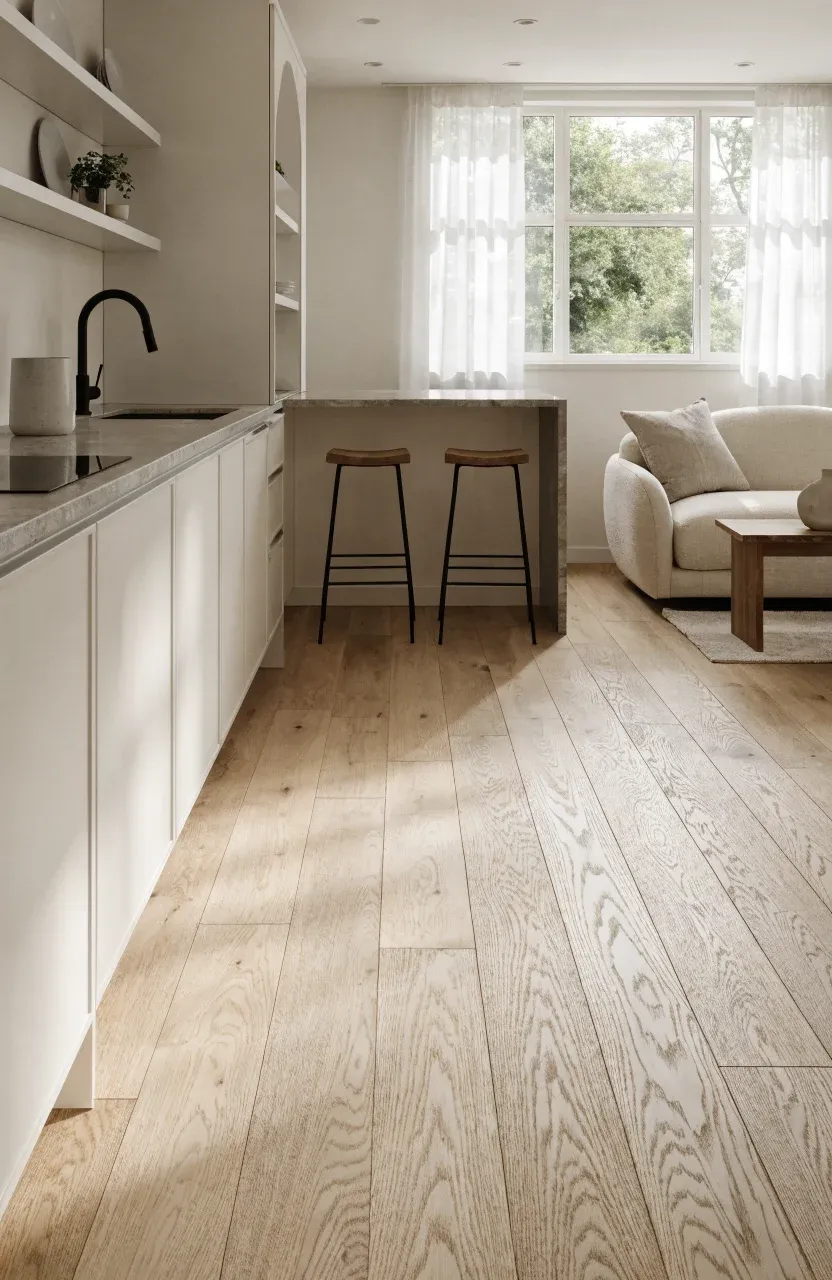
One of the most effective ways to manage a small footprint is to design a tiny open kitchen and living room. When you remove walls and physical barriers, light flows through the entire house, making it feel much larger than it actually is. This layout allows you to cook while still being part of the conversation in the lounge area.
To make this work, use a consistent color palette across both zones. This creates a visual flow that tricks the eye into seeing one large, continuous space. You can define the areas using a thin rug or a change in lighting rather than bulky furniture. A small breakfast bar can act as both a prep surface and a dining table, serving as a soft bridge between the two rooms.
Practical Kitchen Layouts for Very Small Spaces
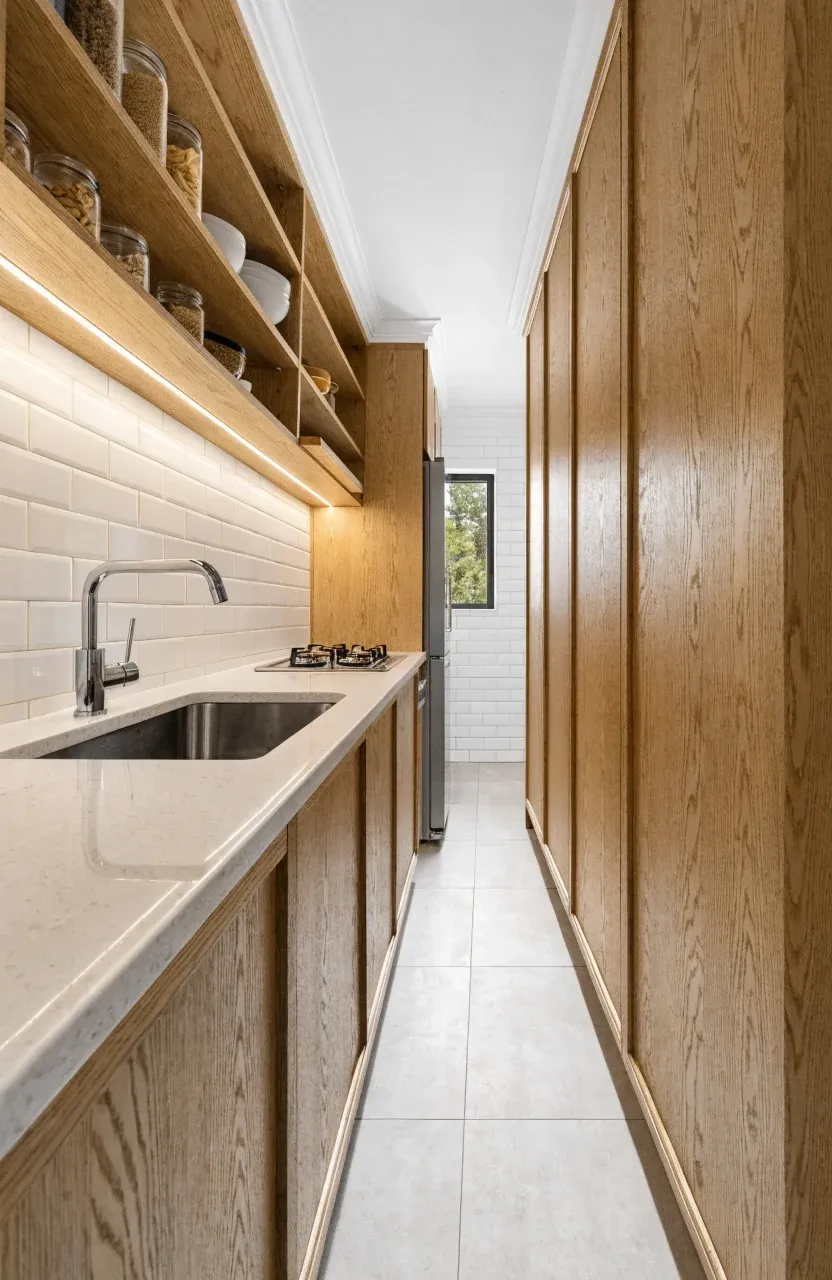
When dealing with very small kitchen ideas, the layout is everything. A single-wall kitchen or a compact L-shape usually works best because it keeps the center of the room clear. Micro kitchen ideas often involve using smaller versions of standard appliances, such as a two-burner stove or a narrow refrigerator, to save valuable counter space.
Vertical space is your best friend here. Instead of wide cabinets that eat up floor area, install tall shelving that reaches the ceiling. This keeps your essential items within reach while keeping the floor clear. Using a deep sink can also help hide dishes in a small cozy kitchen, keeping the area looking tidy even when you are busy cooking.
Creating a Cozy Farmhouse Aesthetic in a Compact Kitchen
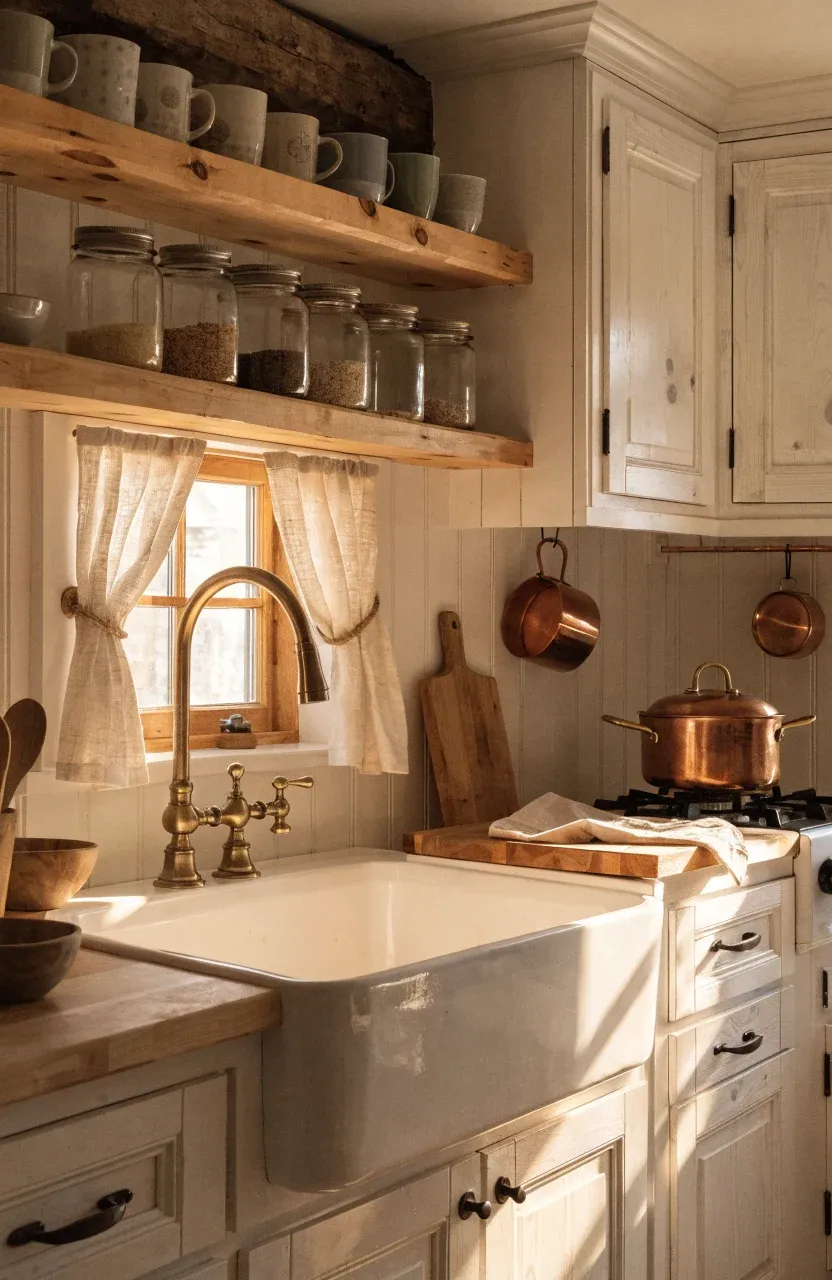
You can still achieve a specific style even in a tiny farmhouse kitchen. The farmhouse look relies on warmth and texture, which is easy to do with wood accents and apron-front sinks. In a small space, use lighter wood tones like pine or white-washed oak to keep the room from feeling heavy or dark.
Open shelving with glass jars and ceramic mugs adds to the charm without the visual weight of heavy cabinet doors. Adding a few copper pots or a vintage-style faucet can bring that rustic feel to your tiny house inspiration interiors. The goal is to make the kitchen feel lived-in and warm, rather than sterile and cramped.
Smart Storage Solutions for Tiny House Living
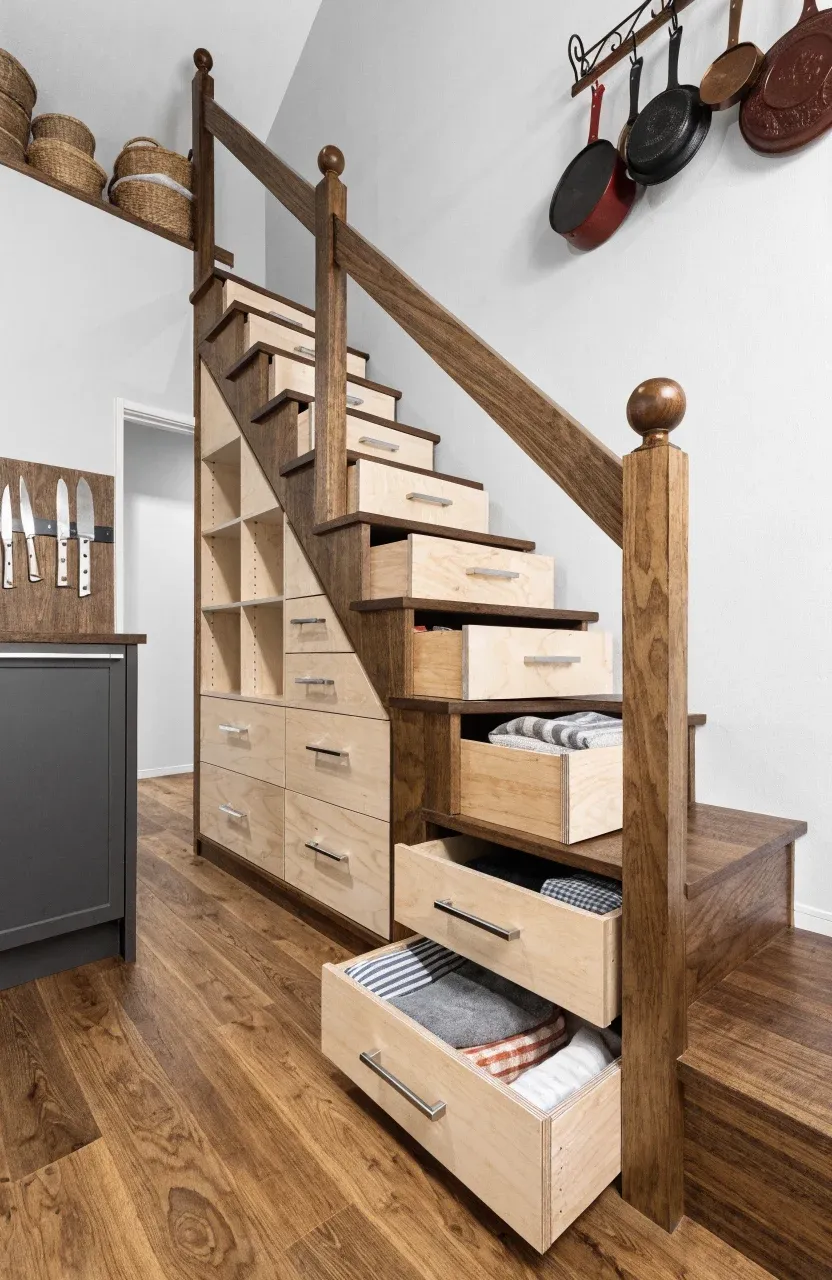
Storage is the biggest challenge in tiny home living. Every item needs a dedicated spot to prevent clutter from taking over. Look for 'dead' spaces, such as the area under the stairs or the gap above the door, and turn them into storage nooks. Drawers built into the base of a bed or a sofa are great for storing seasonal clothes or extra linens.
In the kitchen, use magnetic strips for knives and hanging racks for pots. This frees up drawer space for things that can't be hung. Toe-kick drawers at the very bottom of your cabinets are also a clever way to store flat items like baking sheets. The key is to think vertically and use every hidden corner available.
Using Natural Materials and Light to Expand the Interior
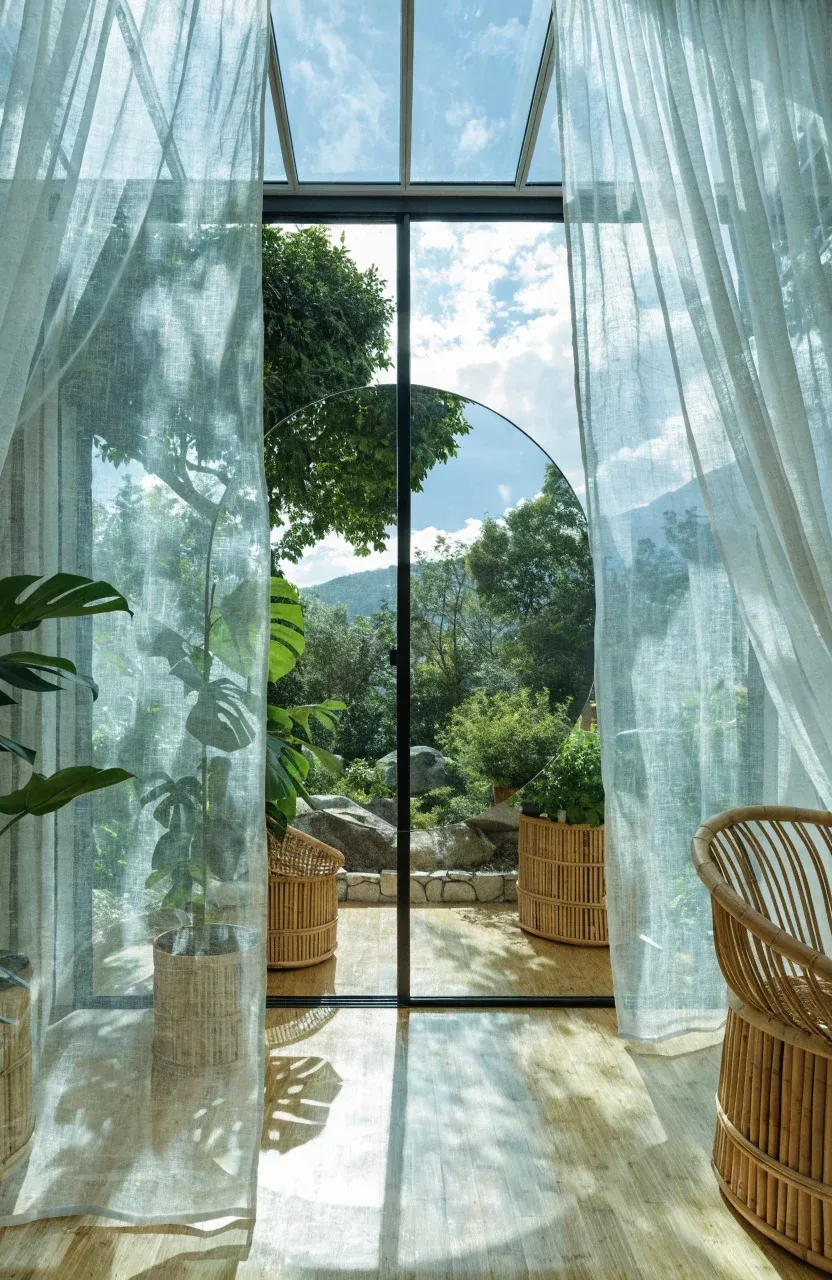
Natural light is a powerful tool for making a tiny home feel airy. Large windows, skylights, and glass doors can connect the inside of your home with the outdoors, making the walls feel less restrictive. Using mirrors on walls opposite windows can also bounce light around the room, doubling the brightness.
Natural materials like bamboo, light wood, and stone add a sense of calm. These materials are durable and bring an organic feel to the space. Avoid dark, heavy fabrics for curtains; instead, choose light linens or sheer materials that let the sun peek through. This keeps the atmosphere light and prevents that closed-in feeling common in small structures.
Furniture Choices that Serve Multiple Purposes
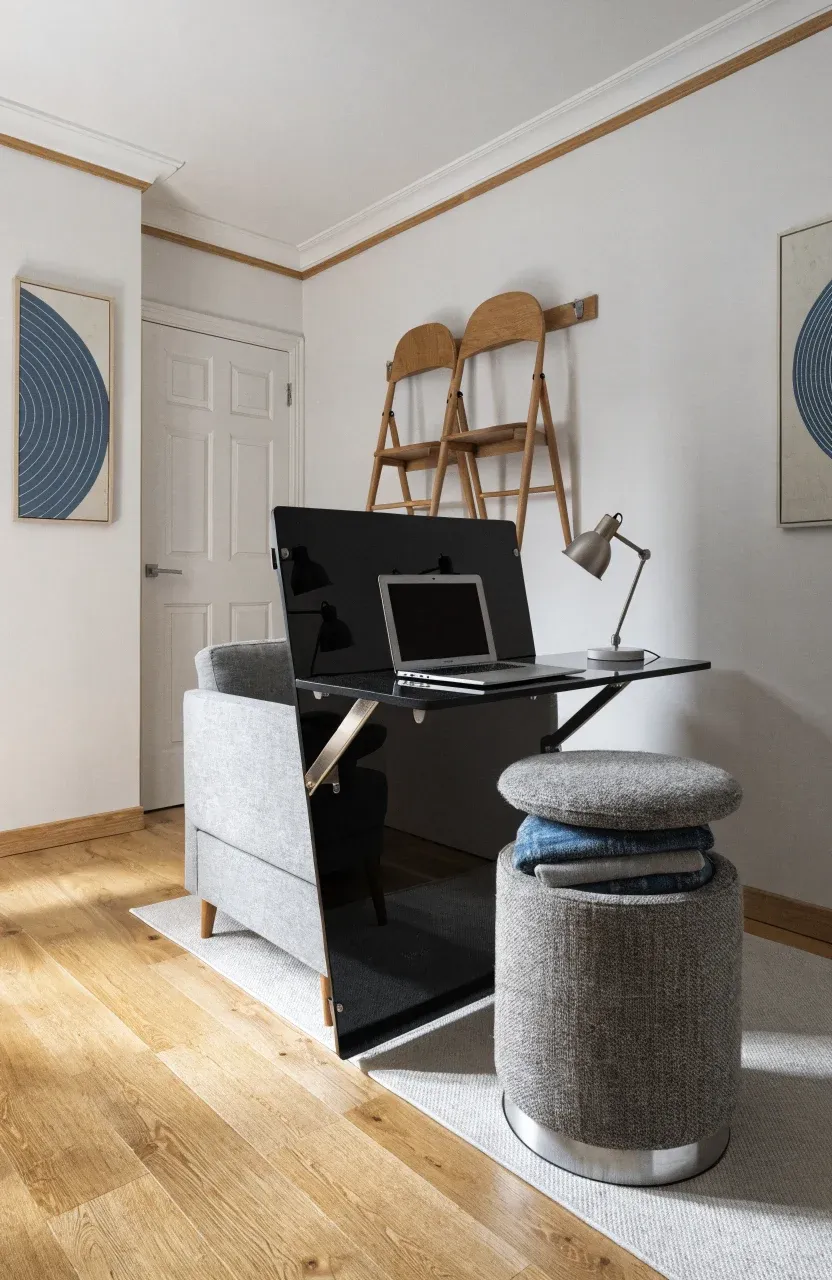
In a tiny home, every piece of furniture should do at least two jobs. A dining table that folds down against the wall when not in use can double as a desk. An ottoman with a lid provides seating and a place to hide blankets or shoes. Choosing furniture with legs rather than solid bases also helps, as seeing the floor underneath creates a sense of more space.
Consider a sofa bed for guests or a storage bench in the entryway. When you select pieces that are scaled to the room, the proportions feel right. Avoid oversized furniture that blocks walkways. By choosing multi-functional items, you keep your home flexible and ready for whatever your day requires.
Designing for tiny home living is all about balance. By choosing the right layout and focusing on multi-functional furniture, you can create a space that is both practical and beautiful. Start by evaluating your daily habits and prioritize the areas where you spend the most time. Whether you are looking for very small kitchen ideas or ways to brighten your living room, small changes can make a big difference. Take a look at your current space today and see where you can clear some floor area or add a bit of vertical storage.