
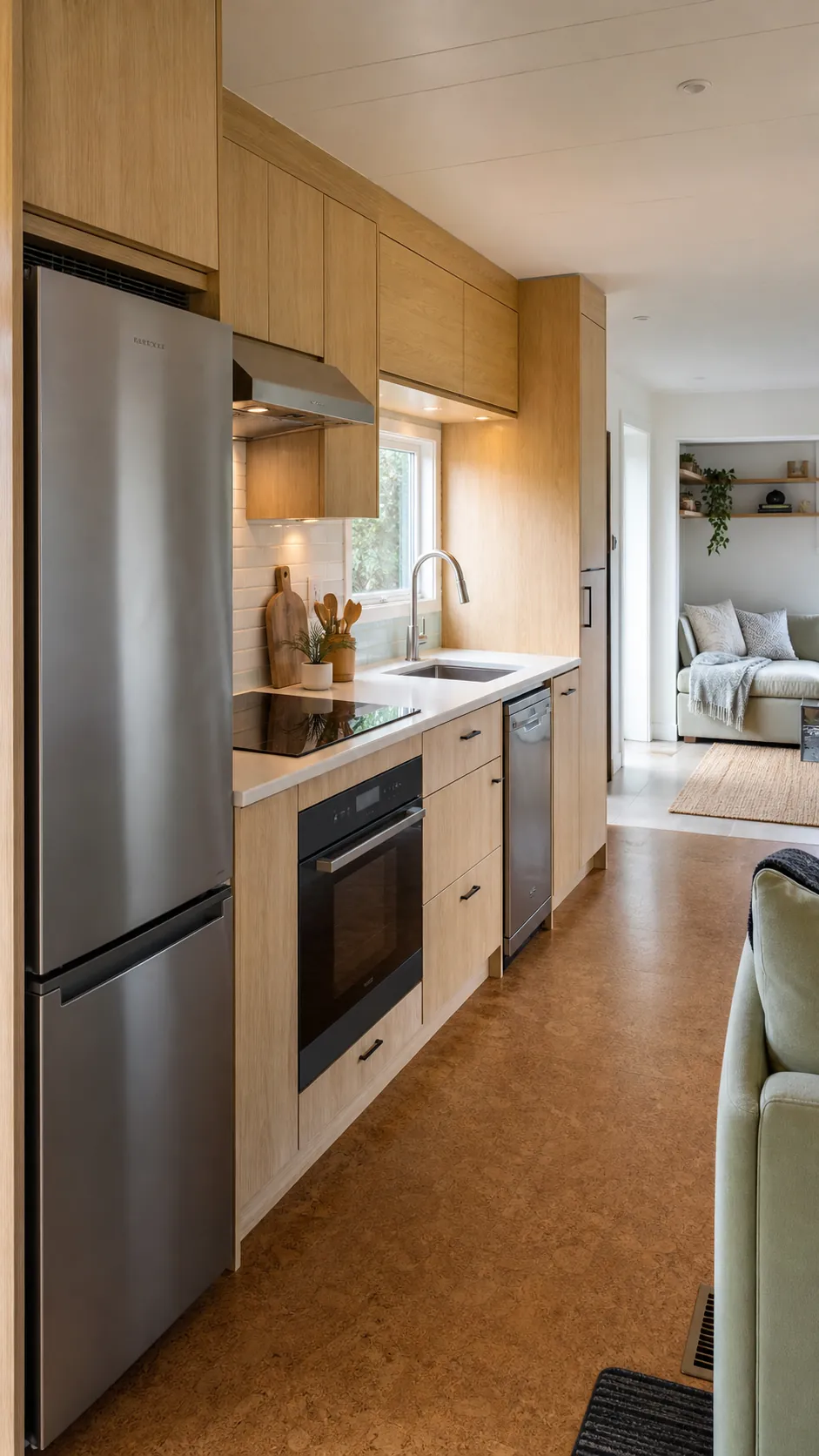
Compact appliances can make a tiny home kitchen feel capable, but their smaller width is only one part of the decision. A refrigerator still needs ventilation and door clearance. An induction cooktop still needs the right circuit and cookware. A countertop oven can replace several machines, yet it may also consume the only prep surface.
The useful question is not “What is the smallest appliance?” It is what functions your household uses, how often they run together, and where each appliance can be safely installed, opened, vented, cleaned, and replaced. Build that appliance plan first, then shape kitchen storage around it.
Start with the meals and loads you actually make
List a normal week of cooking. If breakfast is coffee and toast, lunch is assembled cold, and dinner uses one pan, a two-zone cooktop plus compact oven may be enough. If you bake, preserve food, host guests, or cook with several pans, shrinking every appliance may create constant workarounds.
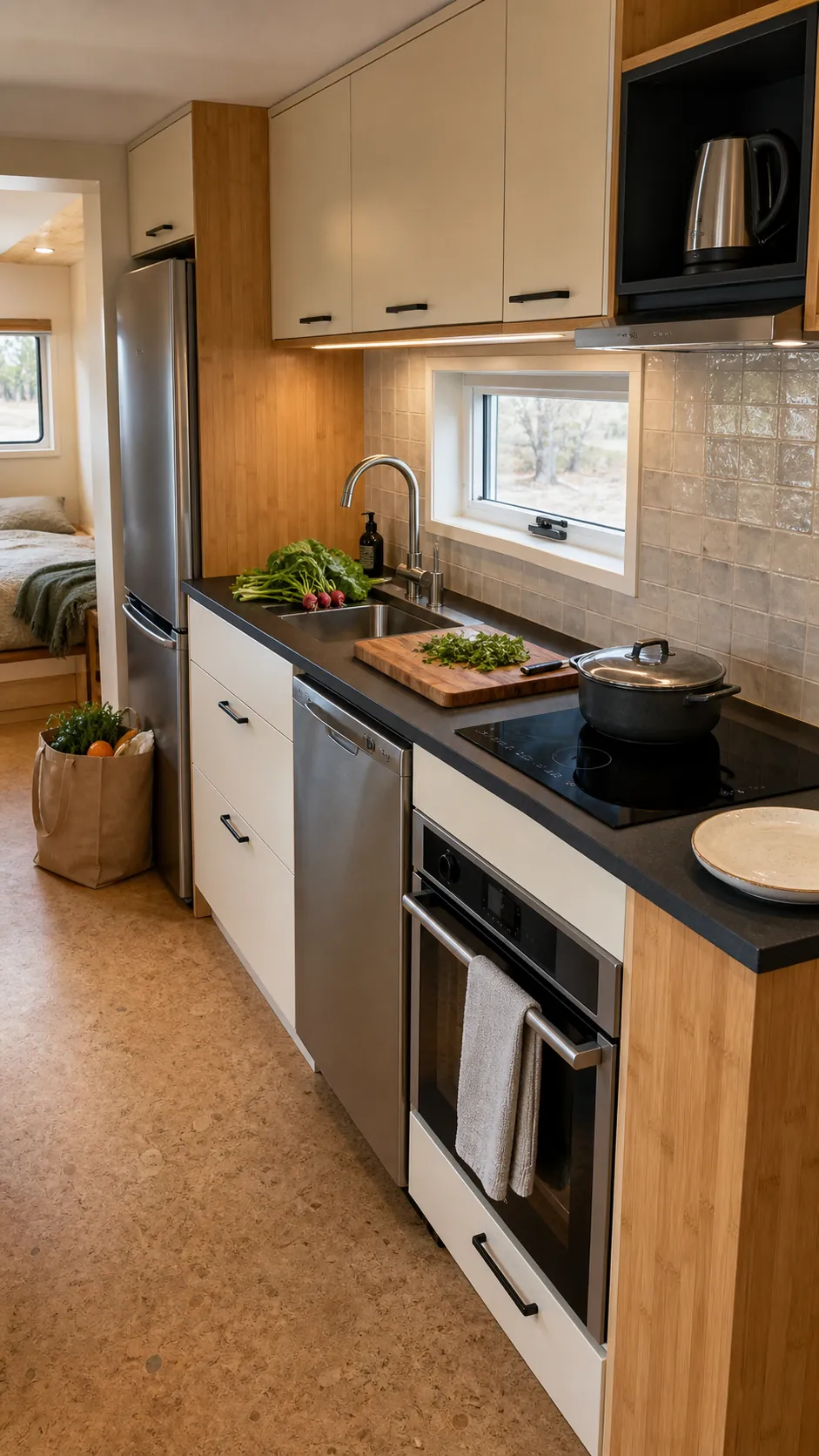
Write down which appliances run at the same time. A kettle, induction element, toaster oven, and dishwasher can create a substantial combined electrical load even though each machine is small. Share the list with the electrician or builder, including nameplate ratings and expected simultaneous use. Avoid making electrical decisions from generic online wattage estimates.
Also count the people and dishes, not just the floor area. An 18-inch dishwasher may suit two adults who run it regularly, while a household that cooks large batch meals may prefer to keep the cabinet space and hand-wash. Compactness should reduce friction, not transfer it into every meal.
Fit the refrigerator around food habits and airflow
A narrow or under-counter refrigerator can release valuable cabinet and counter space. Before choosing one, measure the food you actually store: tall bottles, produce bins, leftovers, frozen staples, and the result of your normal grocery trip. Interior layout often matters more than advertised volume.
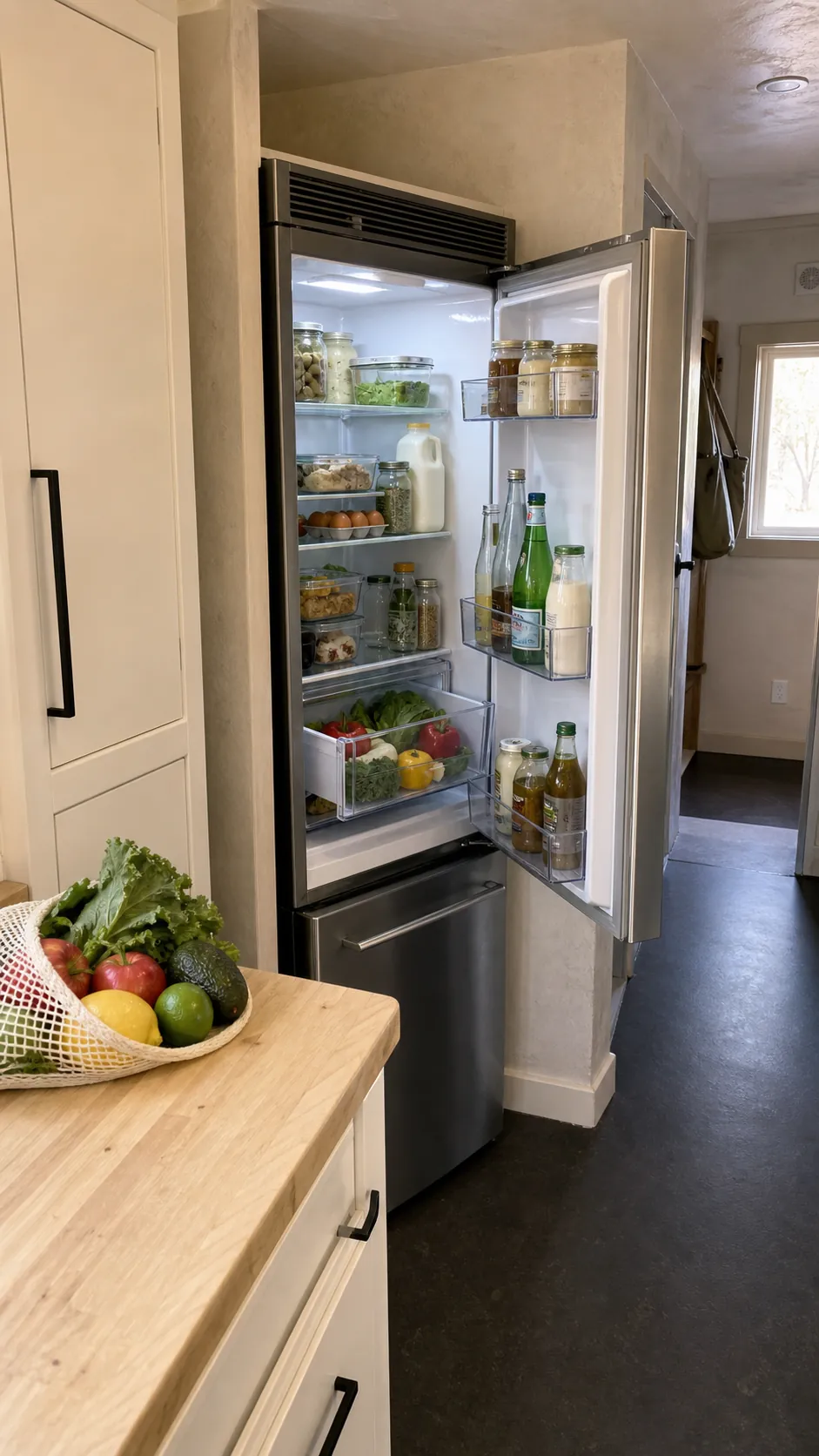
Follow the exact installation manual for side, top, and rear clearances. Different refrigerator designs reject heat differently, so a gap copied from another model may be wrong. Confirm that the door opens far enough to remove shelves and drawers, and that its swing does not block the only aisle.
In an open tiny home, noise is part of the specification. A compressor sits close to the living and sleeping areas, and vibration can travel through tight cabinetry. Use the required clearances, level the appliance, and avoid pinning refrigerant lines or cords against the wall.
Pair a small cooktop with deliberate ventilation
A two-zone induction cooktop can preserve prep counter while offering fast, controllable heat. Check cookware compatibility, pan sizes, electrical requirements, cabinet ventilation, and whether both zones can operate at full output together. Portable units add flexibility but require a stable, heat-safe location and safe cord route.
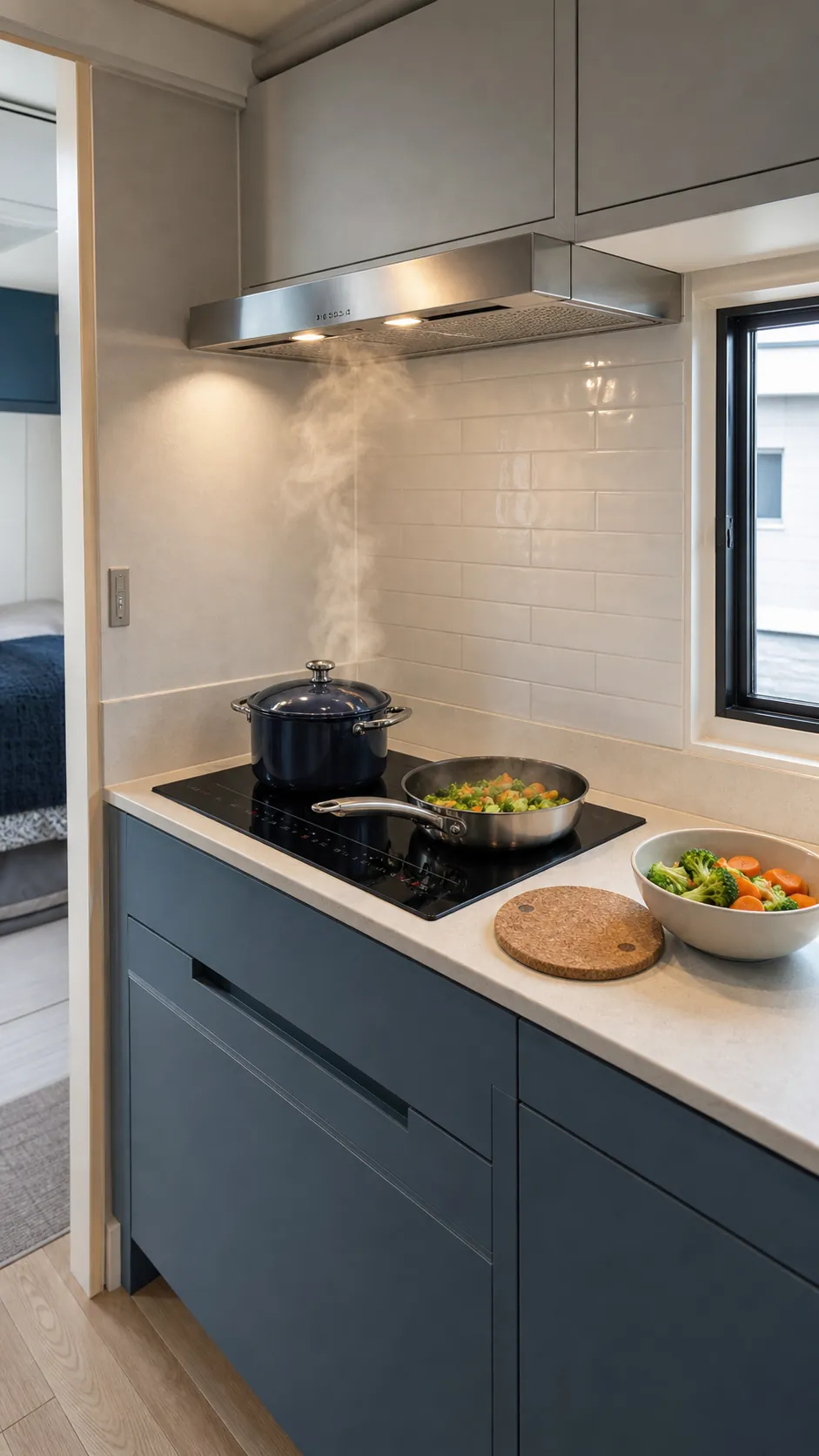
Do not shrink the ventilation plan just because the kitchen is small. Steam, grease, and cooking particles spread quickly through a tiny interior. Choose a hood compatible with the cooking appliance and installation, follow required widths and clearances, and vent outdoors when the design and local requirements allow. A very powerful hood in a tight home may also require make-up-air planning.
Keep landing surface beside the cooktop. The last few inches are not wasted; they provide a place for a hot pan or ingredients and help separate heat from tall cabinetry. Follow appliance instructions and applicable local codes for combustible clearances.
Choose one oven that covers your real jobs
A compact convection oven or combination microwave can bake, roast, reheat, and toast, potentially replacing several countertop machines. Compare interior dimensions with the cookware you own. A nominally compact oven is not useful if your everyday baking dish or sheet pan will not fit.
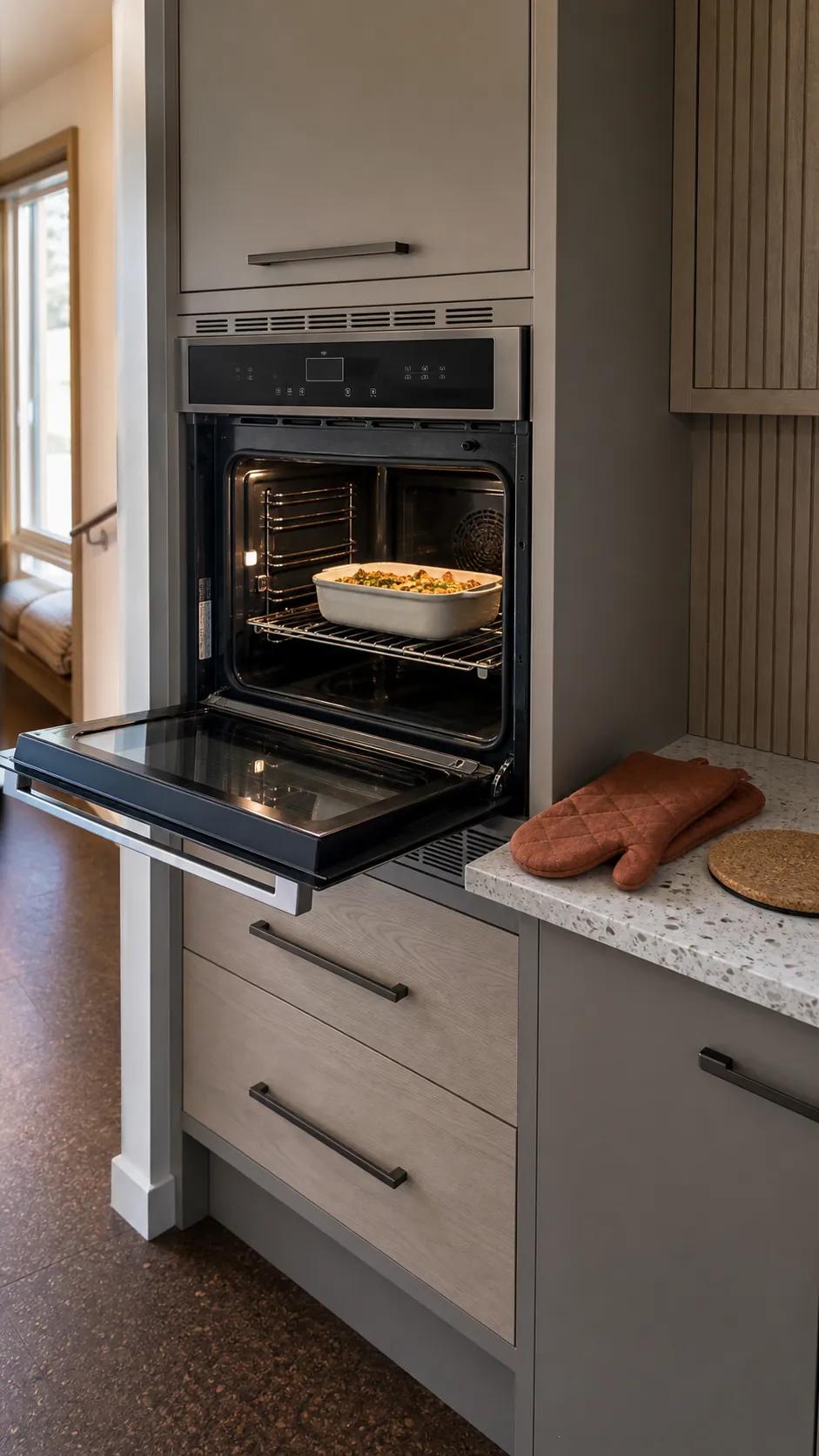
Installation type matters. A countertop appliance should not be enclosed in a cabinet unless its manufacturer permits that use and all ventilation clearances are maintained. A built-in model needs cabinetry, electrical supply, and trim designed for it. Leave the door path and hot-dish landing area clear.
Multifunction machines reduce appliance count only when you like the compromises. One appliance may perform several jobs sequentially, not simultaneously. If toast and baking happen together every morning, a combination unit can become a bottleneck rather than a space saver.
Decide whether a compact dishwasher earns its cabinet
An 18-inch built-in, drawer, or countertop dishwasher can keep the sink and counter clear. Compare capacity with your plates, pans, and meal rhythm. A smaller rack loaded efficiently may suit daily use, but cookware that never fits will still require hand-washing space.
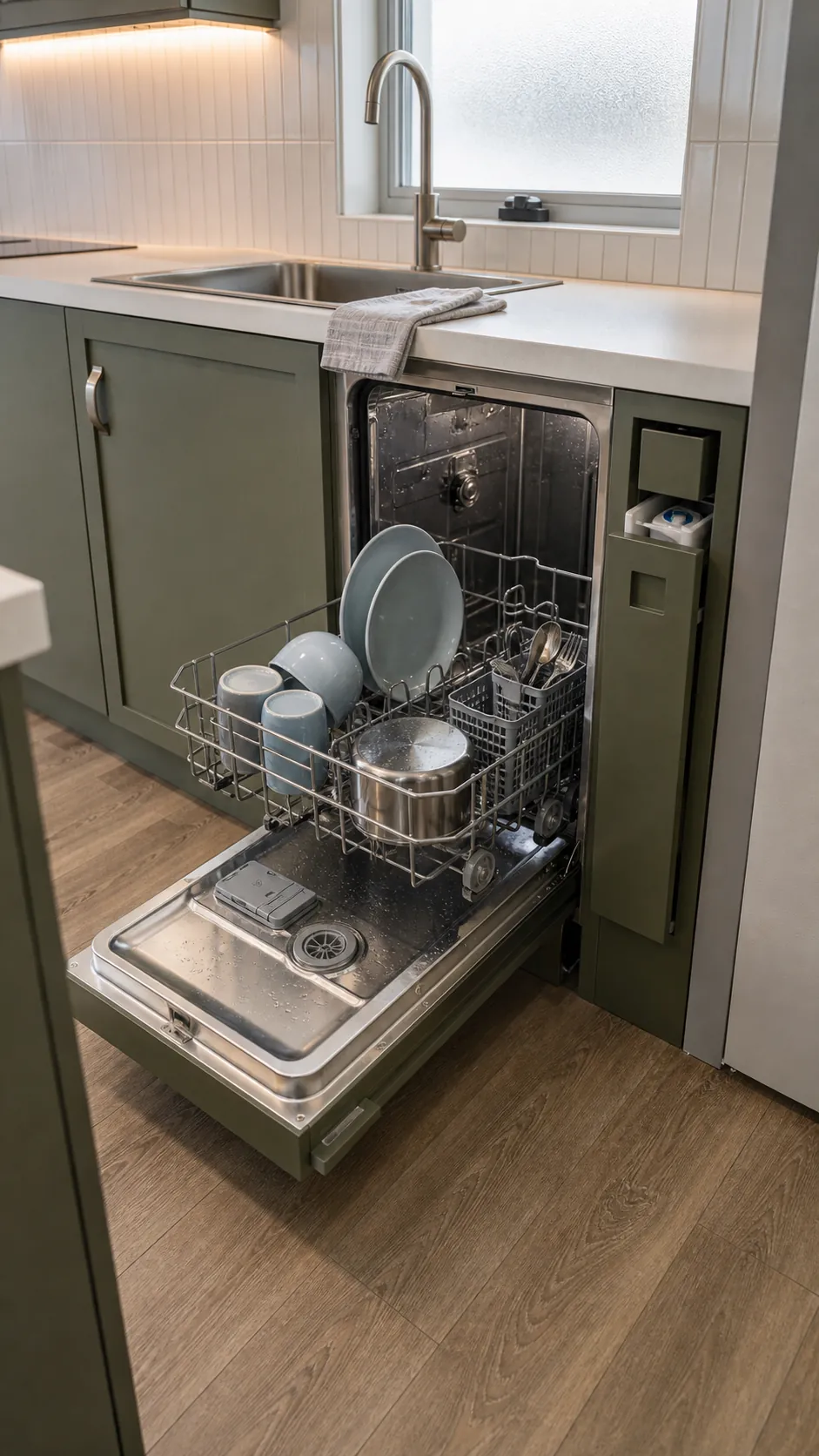
Place a built-in unit close to the sink for practical plumbing and loading. Open the door on a taped floor plan before ordering: it must not trap the cook, hit the refrigerator, or block the only route through the house. Check filter access, hose routing, leak protection, noise rating, and service access.
A countertop dishwasher avoids base-cabinet sacrifice but consumes worktop and may add visible hoses. Measure the full operating setup, not just the box. If it permanently removes the prep zone, the apparent compact appliance may make the kitchen less functional.
Give small appliances a powered parking place
Blenders, kettles, coffee machines, rice cookers, and air fryers become counter clutter when storage is remote or the setup is awkward. Choose only the machines that match repeated habits, then give each one a safe operating location with the correct outlet, ventilation, and surface.
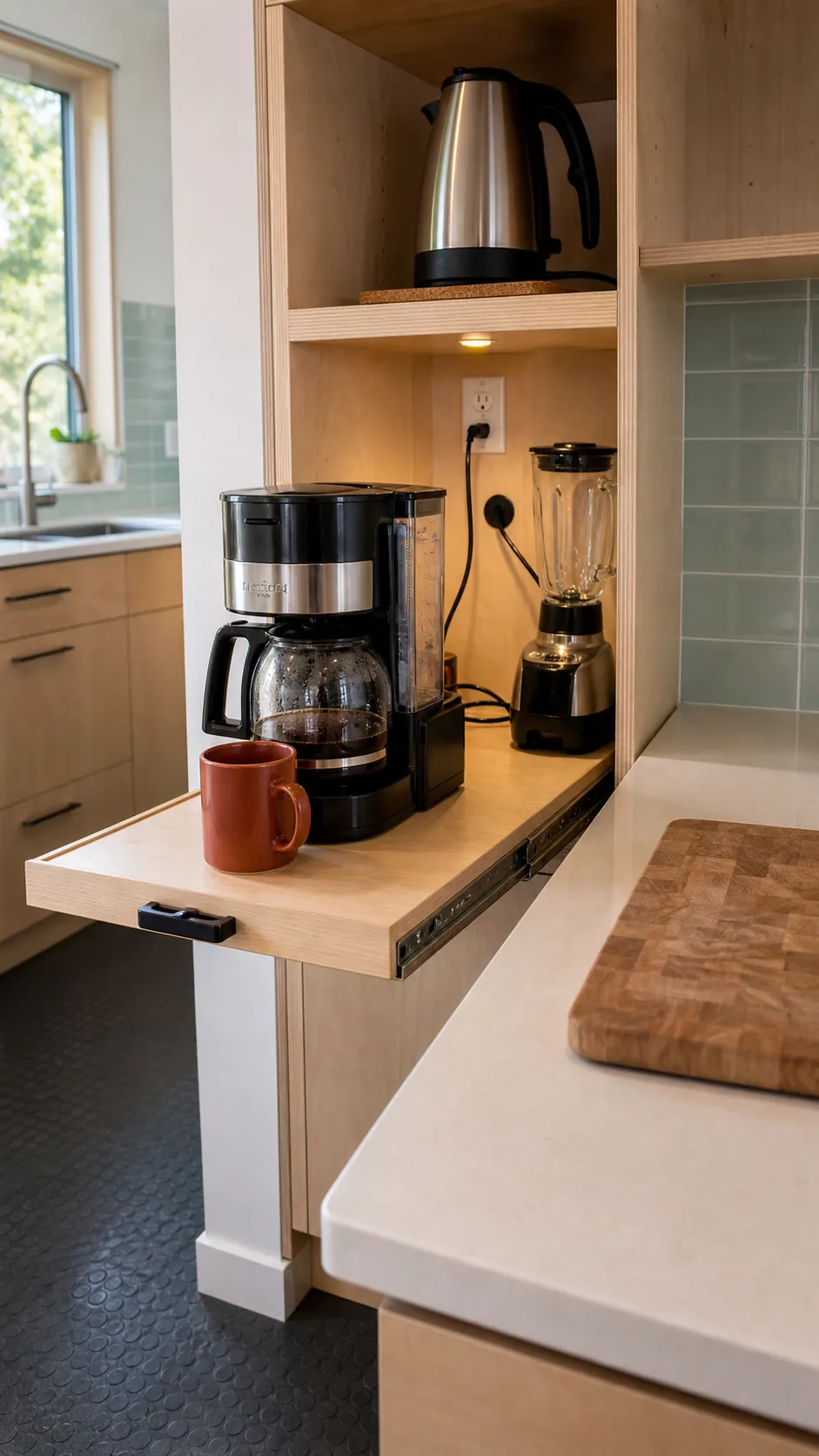
A pull-out appliance shelf or open cubby can free the main counter, but it must support the load and respect heat and steam. Do not operate a heat-producing machine inside a closed cabinet unless the appliance and cabinet system are specifically designed for it. Avoid extension cords, overloaded power strips, and cords crossing the sink or cooktop.
Review the collection twice a year. If a machine has not earned its footprint, remove it. A compact kitchen works best when every appliance has a regular job, not when miniature versions of every full-size kitchen gadget fill the cabinets.
Plan for maintenance and eventual replacement
Before finalizing cabinetry, confirm that filters, water connections, electrical disconnects, leveling feet, and service panels can be reached. Record the model, cutout dimensions, clearances, and circuit information. An appliance that fits tightly today should still be removable without dismantling half the kitchen.
Leave tolerance for installation and real-world movement rather than designing a friction fit. Tiny-house travel, seasonal material changes, and vibration make careful fastening and periodic inspection especially important. Follow every manufacturer’s instructions and use qualified trades for electrical, gas, ventilation, and plumbing work.
The best compact appliance plan is not the one with the most features packed into the fewest inches. It is the one that supports the way you cook, stays within the home’s power and ventilation capacity, preserves a clear work surface, and can be maintained for years. That is what turns a small kitchen into a reliable one.